
































































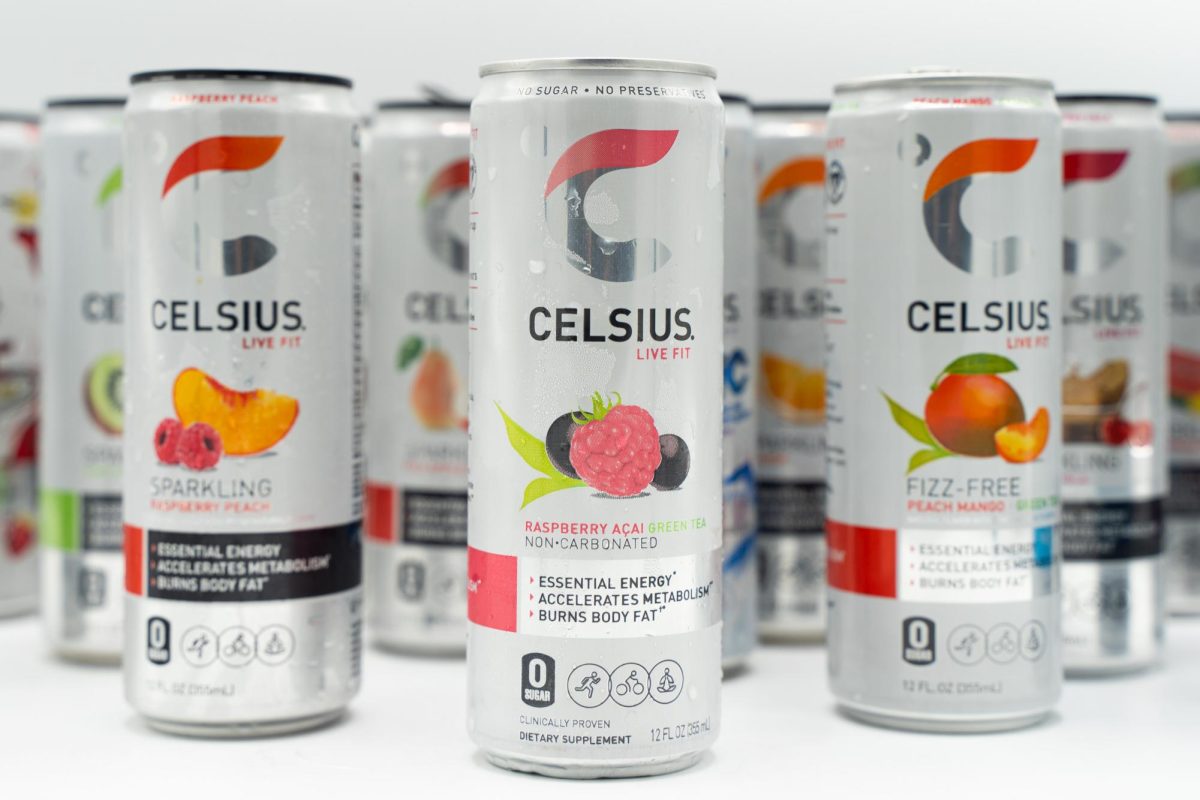









































































New York City Mayor Michael Bloomberg’s ban on “high capacity” sugary drinks — those containing 16 ounces or more of sugar — will not go into effect today, as initially planned. In response to a lawsuit brought by various business organizations, New York State Supreme Court Justice Milton Tingling blocked the restriction. The regulation is “arbitrary and capricious,” he wrote. Naturally, the mayor’s office declared its intention to appeal the decision.
The argument at the heart of the lawsuit is not easily reconciled. The glaring epidemic of obesity is indeed irrefutable, with some studies citing approximately 60 percent of adults and 40 percent of schoolchildren in New York City as overweight or obese. The damage done by this widespread unhealthiness is not limited to the plus-sized individuals themselves — the enormous costs of health care in the United States result at least partially from widespread obesity. As a nation, we would unquestionably be better without one-pound soda cups.
However, whether this change must be made through lawmaking remains questionable. Despite Bloomberg’s well-intentioned actions, the law itself is somewhat toothless, as it would not institute a universal ban — rather, there are several exceptions to the rule. This includes one for 7-11, a chain planning to open 114 new locations in New York City over the next five years, which escapes the net simply because it is regulated by the state, not the city. It is intrinsically pointless, and possibly discriminatory, to restrict small businesses from selling a product that a centralized chain store is allowed to carry — those who love their soda enough to drink a pound of it will probably not mind buying it from a 7-11 instead of the corner bodega.
Unlike tobacco or alcohol, whose consumption has palpable public consequences — namely secondhand smoke and drinking-and-driving casualties — the health effects of sugary drinks are largely personal, aside from health care costs. But no limitation on 24-ounce Budweiser cans exist. This is not because higher consumption is desirable in our society. It is simply due to the notion that we are sovereign over our own bodies, and government regulation cannot interfere with this domain. Perhaps before taking prohibitive actions that affect personal liberties, the Bloomberg administration should further explore less intrusive solutions, such as publicity and healthy school campaigns.
A version of this article was published in the Tuesday, March 12 print edition. Email the WSN Editorial Board at [email protected].