



















































Former New York City mayor Edward Koch died last Friday from congestive heart failure at the New York-Presbyterian/Columbia hospital. He was 88.
The former mayor, known for his boisterous personality, had been in and out of hospitals for the past week.
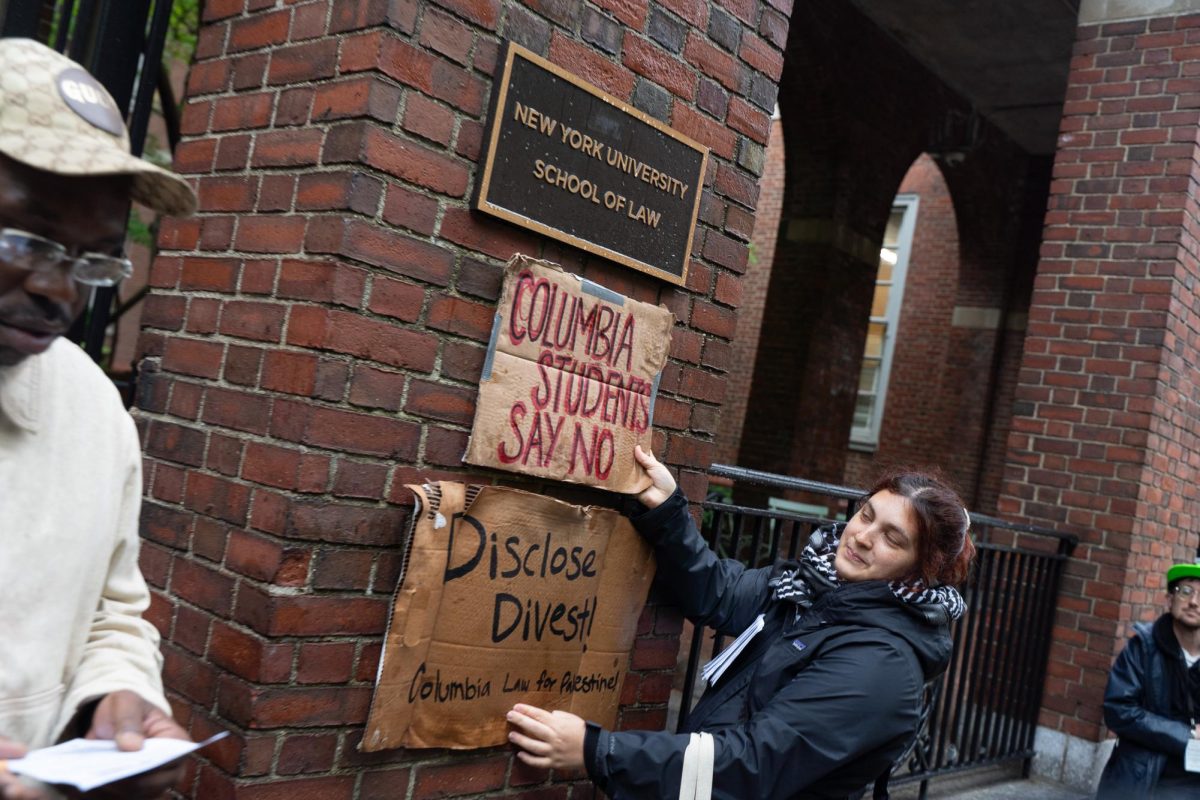
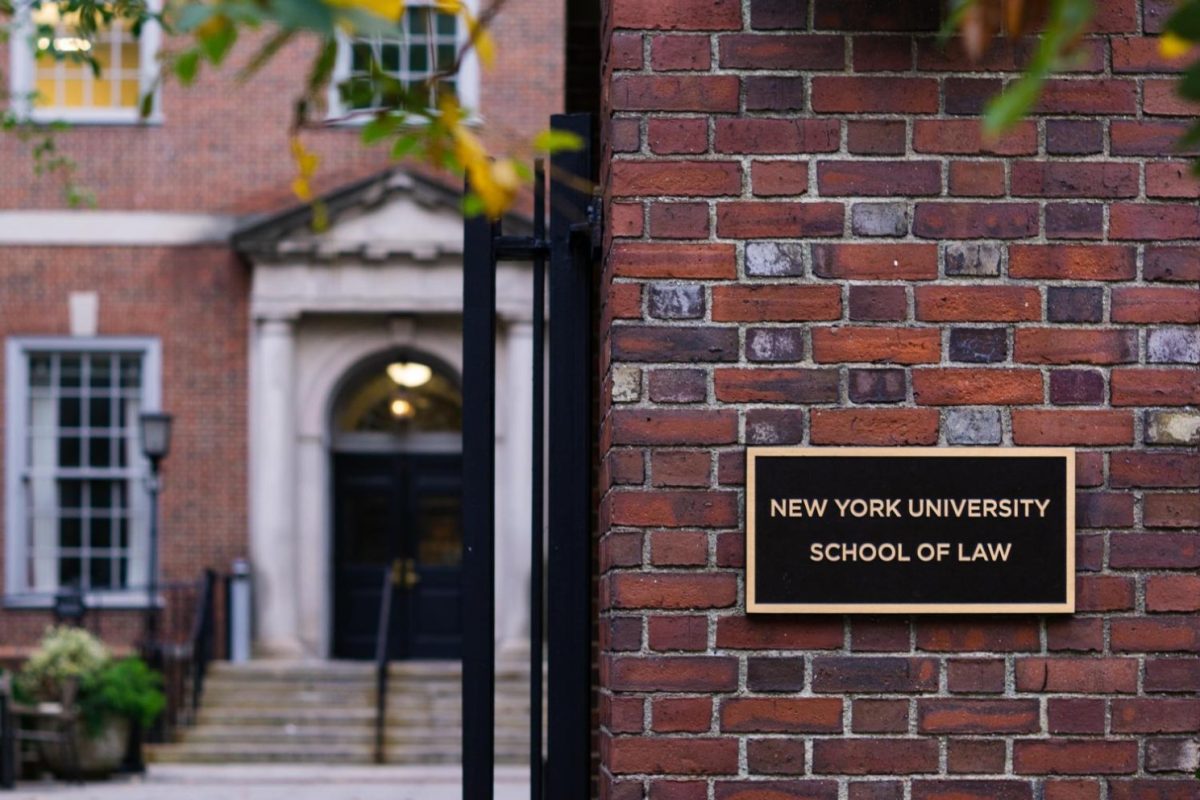
Koch attended the NYU School of Law beginning in 1946. According to Jonathan Soffer, an associate professor of history at the Polytechnic Institute of NYU and author of the book “Ed Koch and the Rebuilding of New York City,” it was at NYU that Koch became connected to Greenwich Village. He started his political career in the Village as a city councilman and was part of a community movement to defend Washington Square Park against redevelopment.
Koch ran for mayor in 1977 and served for three terms until 1989. Despite health problems since that time, he remained an active member of public life. Mitchell Moss, the Henry Hart Rice professor of Urban Planning and Policy at the Wagner Graduate School of Public Service, remembers being in New York during Koch’s first mayoral race.
“I think Koch had a larger than life personality,” Moss said. “He understood New Yorkers and understood that New Yorkers enjoyed having a mayor with personality. I think another part is that, since he left public life, he has touched New Yorkers by being a food critic, a movie critic, a political participant. What made Koch special is that there was no area of public life where he wasn’t a presence.”
CAS politics professor Lawrence Mead said Koch is responsible for the resurgence of New York City, and that his legacy affected the policies of the mayors who followed him.
“We can see Koch as a sort of forerunner of the policies in the ’80s and ’90s and later which led to the city’s current recovery,” Mead said. “The city is much healthier today than when Koch took office. The main reason is it has addressed the problems of social order and the budget, and those steps go back to Koch.”
Not all professors viewed Koch so fondly. NYU associate professor Vincent Passaro said Koch ignored the AIDS epidemic in the ’80s, disillusioned many black voters because of his dependence on the white working-class base, and turned the city over to big real estate interests.
“When he became mayor in 1977, middle class people could live in Manhattan. But by the time he left in 1989, they could not.”
Koch’s funeral is scheduled for today at Temple Emmanu-El in Manhattan. Mayor Michael Bloomberg and former President Bill Clinton are expected to speak.
A version of this article appeared in the Monday, Feb. 4 print edition. Veronica Carchedi is city state editor. Email her at [email protected].
Charlotte Lait • Feb 6, 2013 at 6:29 pm
“He understood New Yorkers and understood that New Yorkers enjoyed having a mayor with personality”
— I think New Yorkers would have enjoyed having a leading government official who didn’t completely disregard the gay community during a disease epidemic that killed thousands of people in this city alone.
But let’s string random quotes into an article, and focus on that he’s an NYU alum, because that’s good journalism and sooo much more interesting.