

















The trends that defined NYU this year
Under the Arch
The trends that defined NYU this year
From on-campus activism to long froyo lines, here is NYU culture in review.
Sam Donagi, Julia Kim and Noor Maahin | April 30, 2026
As graduates prepare to say goodbye to Palladium brunch and Bobst Library cram sessions, many will be leaving one of the most dynamic cultural centers in the world. At the Culture desk, we pay specific attention to the biggest trends and developments at NYU and across New York City — and a few key patterns stand out.
The city is defined by cultural whiplash. You can easily pass by a group of New Yorkers protesting the Trump administration’s latest move, a “Heated Rivalry” look-alike contest and a blocks-long line wrapping around a new frozen yogurt spot, all on your brief walk between classes. People have always looked to the city as a center of arts and culture. But now perhaps more than ever, people also see it as a symbol of America’s political future, as Mayor Zohran Mamdani’s administration continues to draw national attention. Here are the biggest moments in culture this academic year, both at NYU and in the city at large.
Campus renovations
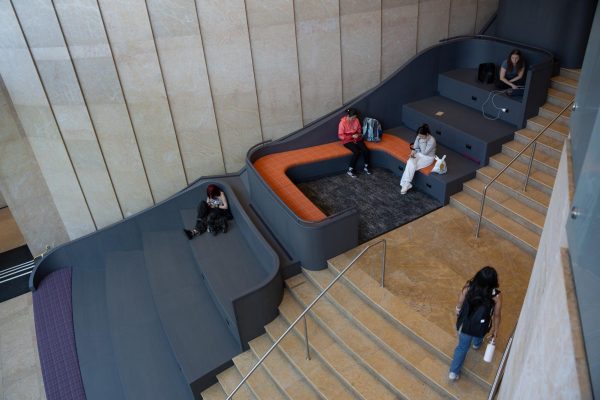
As students returned to the city in the fall, one thing immediately stood out: the latest renovations to the Kimmel Center for University Life’s Grand Staircase. With four dark gray seating pods occupying one side of the stairs, the area is now one of the building’s most visible areas of congregation — but students remain split on whether they add value to NYU’s campus.
The Grand Staircase first closed nearly two years ago in response to what the university called “protest activity in and around Washington Square Park.” The closure was later labeled a renovation, with NYU initially citing accessibility limitations before landing on safety and inclusion — which eventually resulted in the creation of the seating pods.
The seating pods weren’t the only renovations to usher in the academic year. In October, the first floor of Bobst received its first bathrooms — 10 gender-neutral stalls, part of a two-phase renovation project that began in 2023 to make the space more accessible and comfortable for students.
Kimmel saw another major update in February with the rebranding of the second-floor lounge to The NEST: a device-free relaxation space complete with board games, stuffed animals and coloring books. The addition was part of the university’s new NYU IRL initiative, which aims to promote in-person connection.
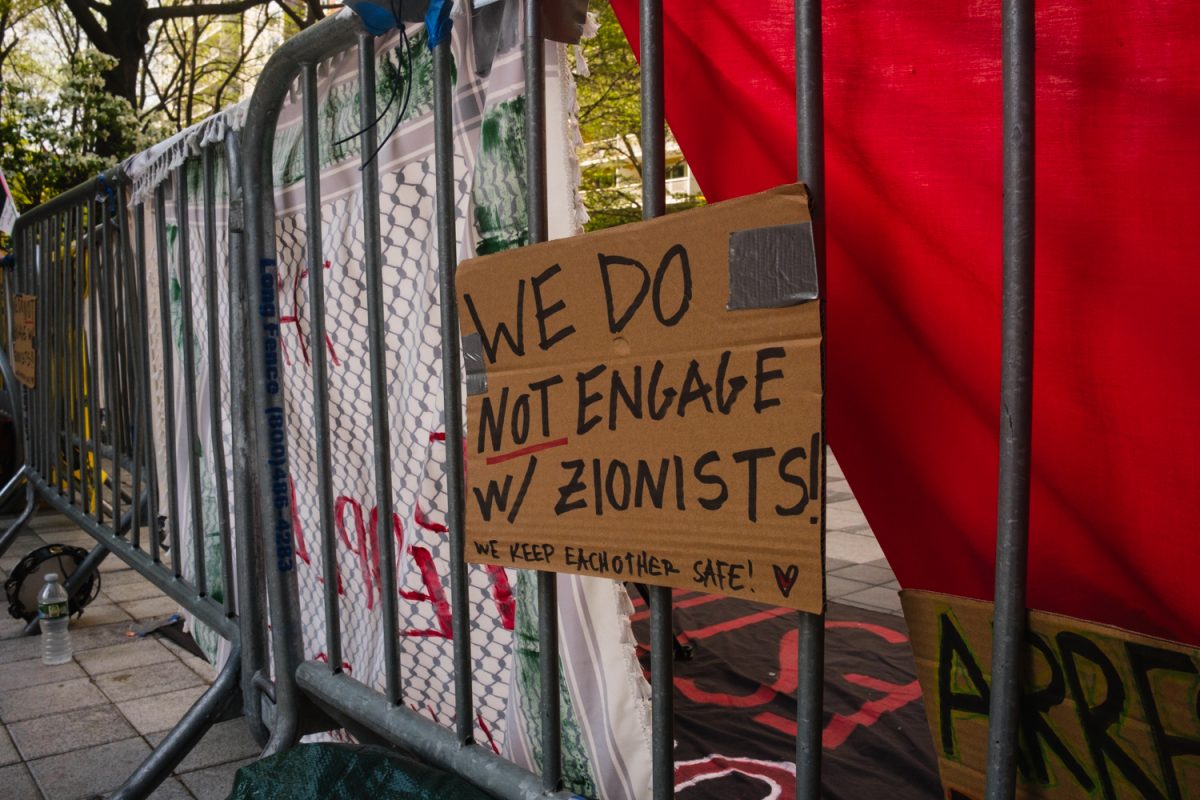
Following the wave of on-campus protests and encampments in support of Palestine during the 2023-24 academic year, formerly public sites like Gould Plaza and the Paulson Center lobby have remained indefinitely blocked off throughout the school year. The Paulson Center was again a site of protest in March, when NYU’s contract faculty union picketed for two days outside the building during its strike for fair wages, stronger benefits and academic protections.
Politics shaping culture
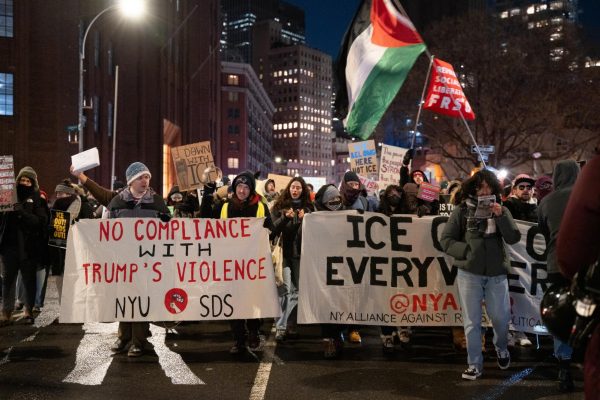
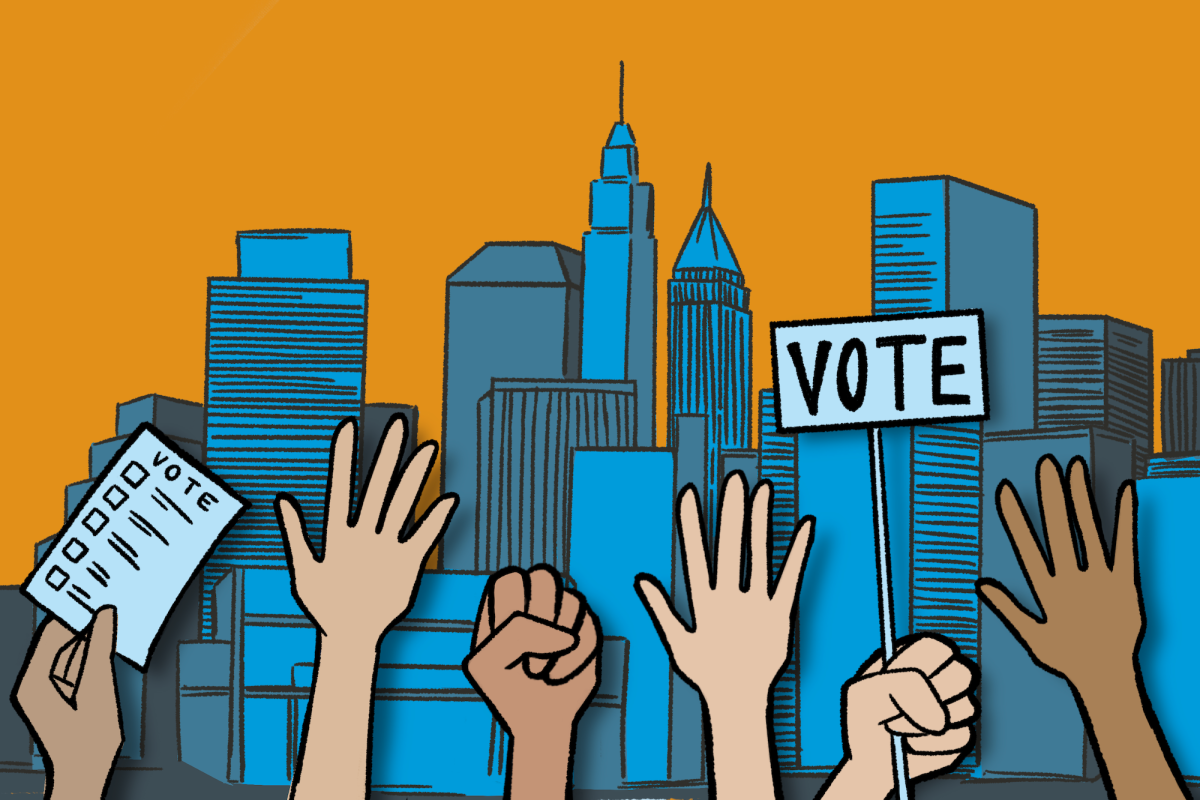
This year’s defining moment in city politics was undeniably the election of Zohran Mamdani as New York City mayor. The 34-year-old’s grassroots campaign — dedicated to making the city more affordable for residents through rent freezes, free buses and universal childcare — was powered by over 100,000 volunteers, including several NYU students who canvassed across the five boroughs, developed personal relationships with the mayor to-be and helped knock on a total of 3 million doors.
Mamdani’s election came amid a heightened sense of social and political urgency, as the impacts of federal policy trickled onto campus. Members of the university community took time this year to reflect on escalated immigration enforcement across the nation, starting in October with the Detention and Deportation Conference hosted by NYU Migration Network. As students searched for ways to protect their neighbors, they joined hundreds of New Yorkers at “The People’s Assembly” in February — an all-day event focused on responding to encounters with immigration agents and analyzing the history of deportation.
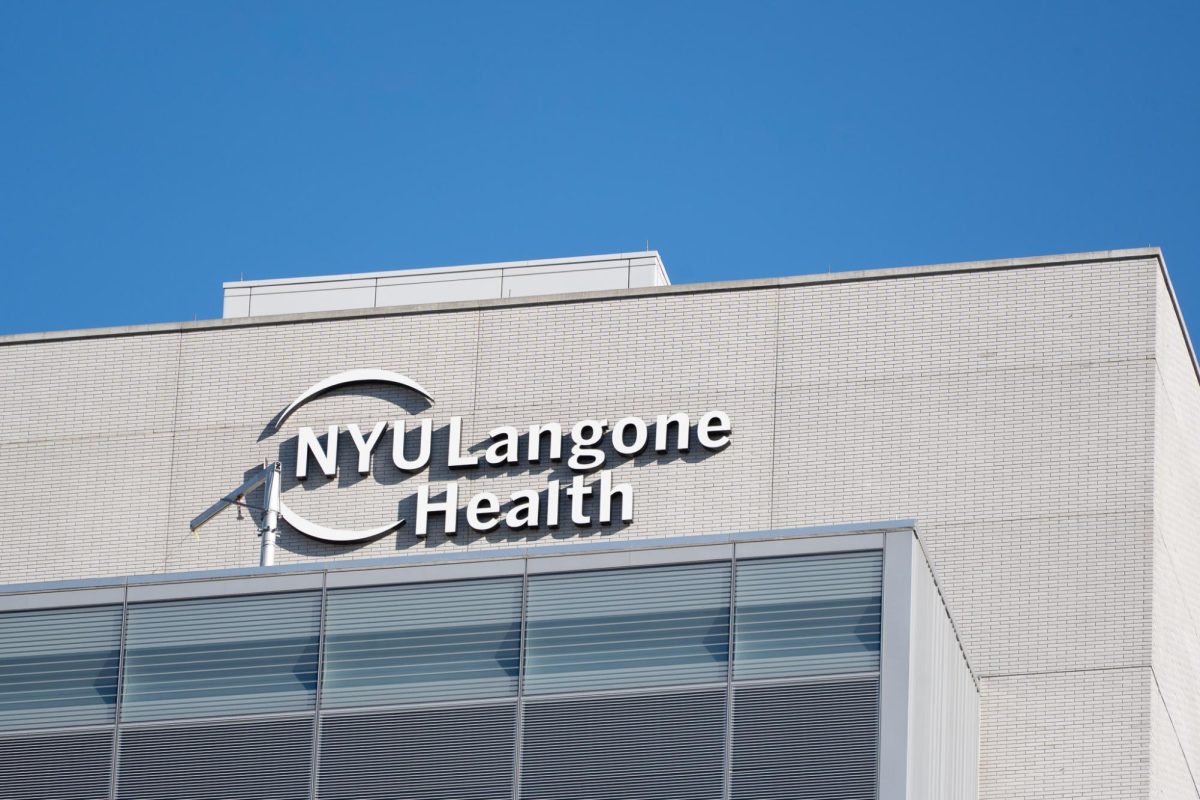
That same month, NYU Langone Health’s termination of gender affirming care for minors shocked patients and their families, leaving some with no guidance on how to proceed. Federal funding cuts to abortion providers also drove the closure of Manhattan’s only Planned Parenthood location in November, which had served residents and students for over 30 years. Meanwhile, as last year’s massive cuts to the Supplemental Nutrition Assistance Program continue to strain food pantries across the nation — soup kitchens, pantries and mutual aid groups around the city are ramping up their efforts to support the nearly 2 million New Yorkers at risk of losing benefits.
Inspired by both the rising cost of groceries and Mamdani’s plans for municipal grocery stores,
prediction market apps sponsored free-grocery publicity stunts near campus. The short-lived trend began one February afternoon, when Kalshi provided $50 worth of free groceries to every customer at Westside Market’s Third Avenue location. Polymarket quickly followed suit by building its own store, which offered free groceries over the course of five days. The prediction markets have continued to garner ethical criticism, especially when applied to precarious political issues.
IRL connection
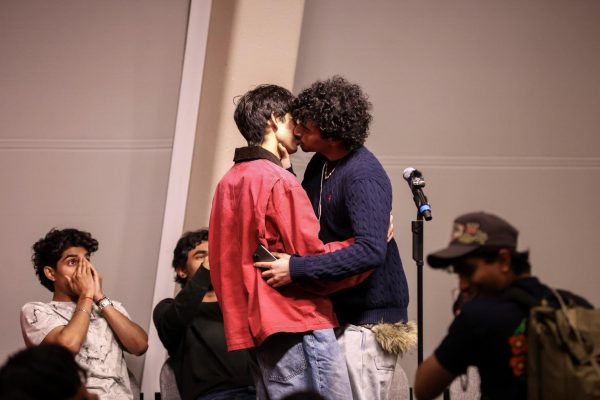
From dating shows to look-alike competitions, a renewed focus on fostering in-person connection —often through unique mediums — permeated campus and city culture. At a Valentine’s Day wrestling meet-cute in Brooklyn, NYU students and New Yorkers grappled with total strangers as a way to meet new people and find romantic connections.
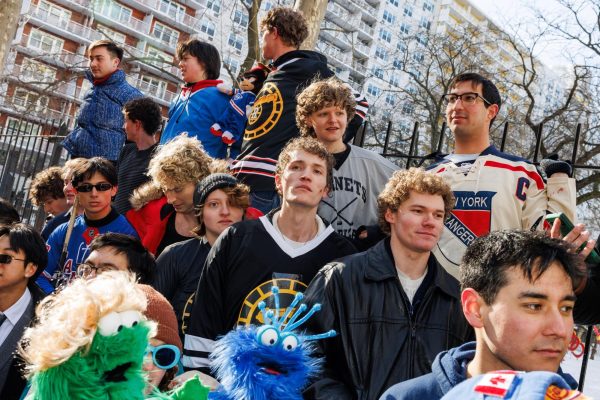
On NYU stages last month, participants joined a fast-paced match-making event inspired by “The Button” and an installment of a risque dating show for college students, where they played time-sensitive games to find their perfect match. Students looking for love could also attend a Washington Square Park “Heated Rivalry” look-alike contest in February — which was advertised explicitly as a dating event — or a “Heated Rivalry”-themed rave, where many found connection and queer community. In some ways, the events echoed the university’s NYU IRL initiative launched in February, which aims to carve out device-free spaces on campus through gatherings like “Around the Longest Table,” where students traded their phones for conservation cards over a shared dinner.
New Yorkers’ top cultural fixation has easily become frozen yogurt — upscale, expensive froyo, that is. While many still hold self-serve classics like 16 Handles — whose East Village location shuttered earlier this year — close to their hearts, new high-end chains like Mimi’s, Go Greek and Madison Fare all opened locations near NYU this academic year. Since then, shops have drawn unusually long lines around blocks across lower Manhattan, marking an undeniable, somewhat health-oriented resurgence for the frozen treat.
Fashion as activism
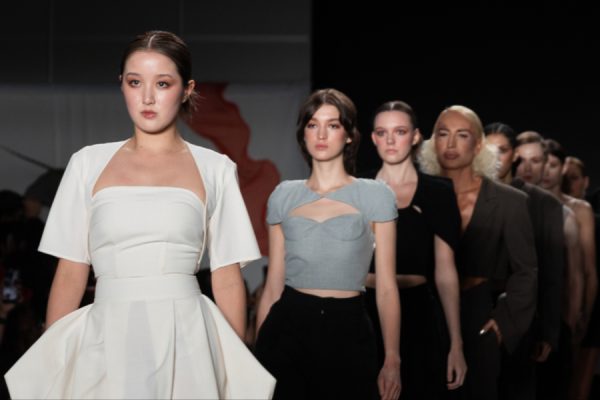
Discussions on fashion and its meaning took center stage this year, starting with New York Fashion Week’s mix of avant-garde style and everyday wear across its Spring/Summer 2026 and Fall/Winter 2026 seasons. Students also brought NYFW to campus through internships, while professors reflected on the iconic runway’s influence — emphasizing the need for reinvigorated innovation and creativity amid the rise of both fast fashion and artificial intelligence usage in the industry.
The Gallatin School of Individualized Study’s yearly fashion show in March echoed similar themes, as student designers merged casual pieces like plain midi dresses and miniskirts with unconventional items, from circuit boards to popcorn. Similarly, the Program Board’s third annual runway in April showcased six student collections — reflecting the theme “Everything in Pieces,” some designers presented literal forms of deconstruction through asymmetrical cuts, while others employed dark color palettes to evoke what they view as an increasingly dystopian world.
Students have also utilized fashion as a medium for environmental and labor advocacy. On-campus organization Future Fashion Group has worked to combat practices of overconsumption at NYU, organizing clothing swaps with NYU’s Swap Shop and holding clothing repair workshops for students. Members of the Students for International Labor Solidarity staged a semi-naked picket last month outside of the Kimmel Center for University Life during Weekend on the Square — part of the on-campus group’s “Follow the Thread” campaign, which calls for the disclosure of all factory locations involved in the production of NYU apparel.
Contact Sam Donagi, Julia Kim and Noor Maahin at [email protected].
Sam Donagi is a first-year studying anthropology and data science — while dabbing obsessively in history, sociology and inorganic chemistry. He’s in...
Julia Kim is a sophomore studying journalism and gender & sexuality studies at CAS. Originally from Missouri, they can be found awaiting R.F. Kuang's...
Noor is a senior studying English literature with a minor in the business of media entertainment and technology. When she’s not in the office, she can...
Alex Woodworth is a sophomore studying public policy and economics. When not taking photos, you can find him at a Yankees game, searching for the best...
Neil Tawney is a first-year studying business and technology management. When he’s not studying in Bobst, you can find him outside of Palladium getting...