
























Nancy Deihl on diversity
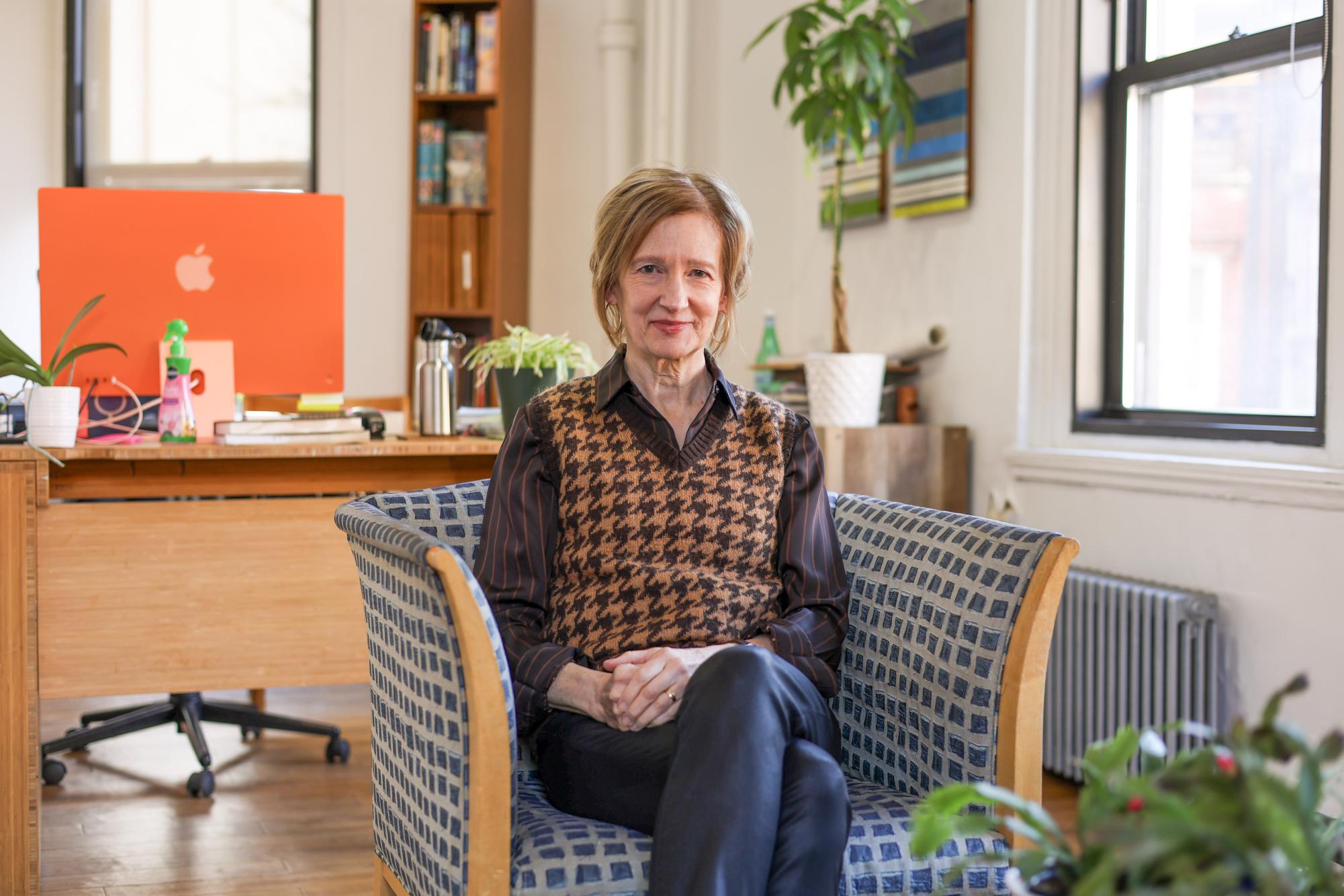
Steinhardt professor and fashion historian Nancy Deihl teaches in the Department of Art and Art Professions. Primarily specializing in the connections between art practices and the fashion industry, Deihl closely follows not only NYFW, but shows around the globe.
“What people really want from NYFW is inspiration for what people will actually wear in their wardrobes,” Deihl said. “We don’t look to Paris — the high fashion stuff — to really reflect reality. It’s a lot of unabashed fantasy, crazy volume and crazy silhouettes.”
This is well reflected in some of the brands’ themes this week: In Lafayette 148’s “Lafayette 148 Has Always Been a New Yorker” and Frederick Anderson’s encapsulation of “joy,” designers display an effort to keep their pieces relevant to the daily New Yorker’s life — and wardrobe. Even with efforts to remain centered around the average resident, such high-end runway shows remain highly inaccessible to most of the city’s diverse population, nor are NYFW models an accurate reflection of its demographics.
“It seems to me that the models that were walking the runways in other recent fashion weeks were pretty skinny and pretty white,” Deihl said. “If you are really stuck in this one standard of white and skinny, that doesn’t leave you much room. I’m hoping that because we’re a much more diverse society, the modeling will reflect that.”
Marcella Martin on labor and innovation
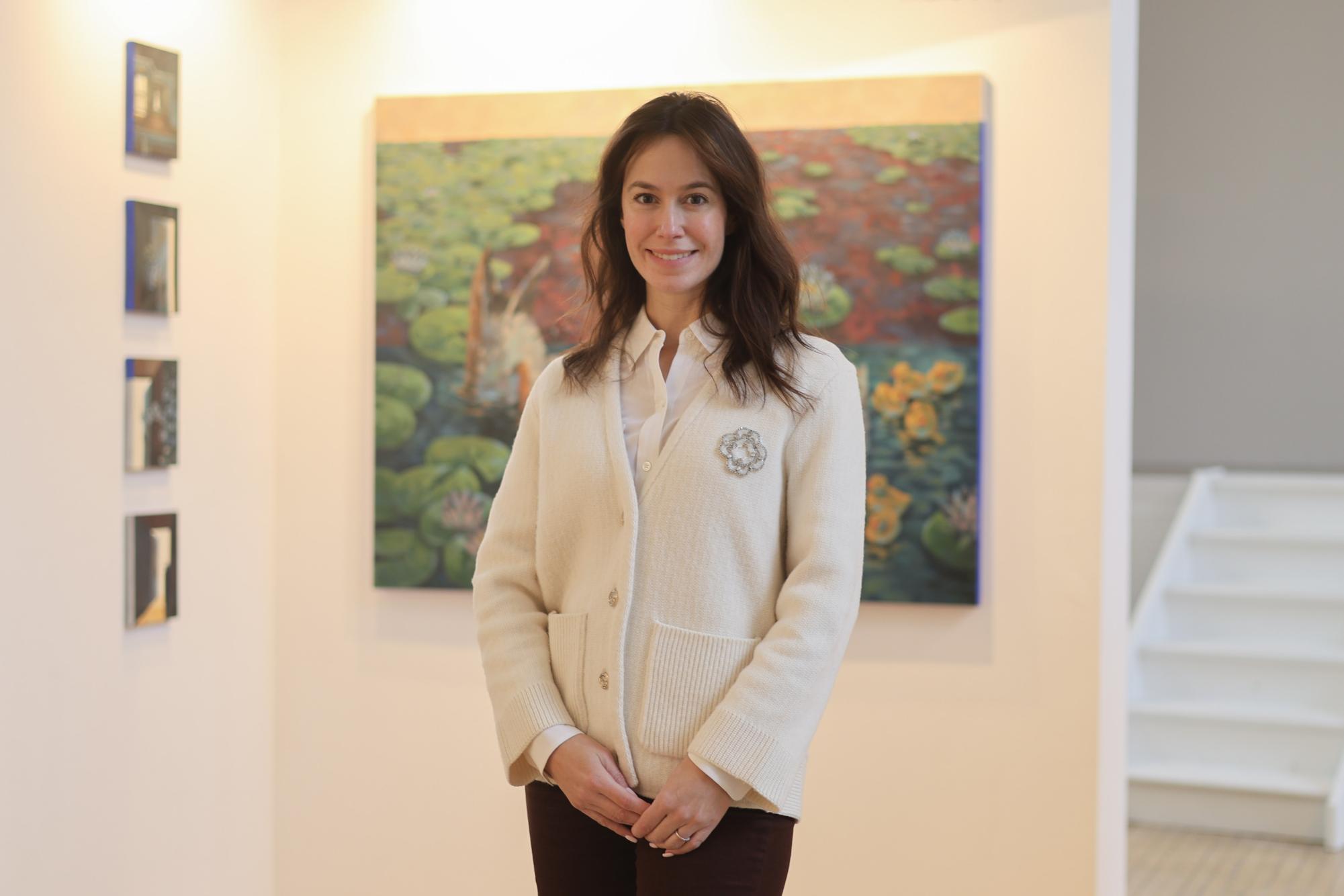
Fashion historian and Italianist Marcella Martin recounts a similar push for reform in fashion practices, focusing on labor abuses. A Steinhardt professor in the costume studies program who teaches Fashion in Context — part of the fashion studies minor, which launched last fall — Martin herself is a graduate of NYU’s costume studies and Italian studies programs, specializing in Italian contemporary art and fashion through a transnational perspective. Despite the oversaturation of high-end fashion shows around the world, she noted that there still remains something lacking in their creativity.
“There’s the illusion of innovation, but it’s essentially a lot of summarizing recapitulations of the past.” Martin said. “The craziest part now is that the ’90s were sort of this revisiting of the ’70s, and now we’re back to revisiting the ’90s … I’m not sure where the innovation is in fashion right now.”
Martin worries that the next step in fashion may not lie within new designs and ideas, but rather the expedition of labor. While the term fast fashion often coincides with retail brands, and comes with the implications of unethically sourced labor, consumers might not be aware of the need to similarly hold luxury brands accountable.
“I was just reading that Prada pulled out of 200 factories because of labor abuses,” Martin said. “Thinking about all the various scandals that have happened with these brands that are supposed to be the height of fashion and quality, there’s a reckoning coming for the fashion industry. What is new about fashion, and what does it mean to be luxury in this day and age, if everything is being produced in the same factories and without an eye to social responsibility?”
Shira Sue Carmi on artificial intelligence and creativity
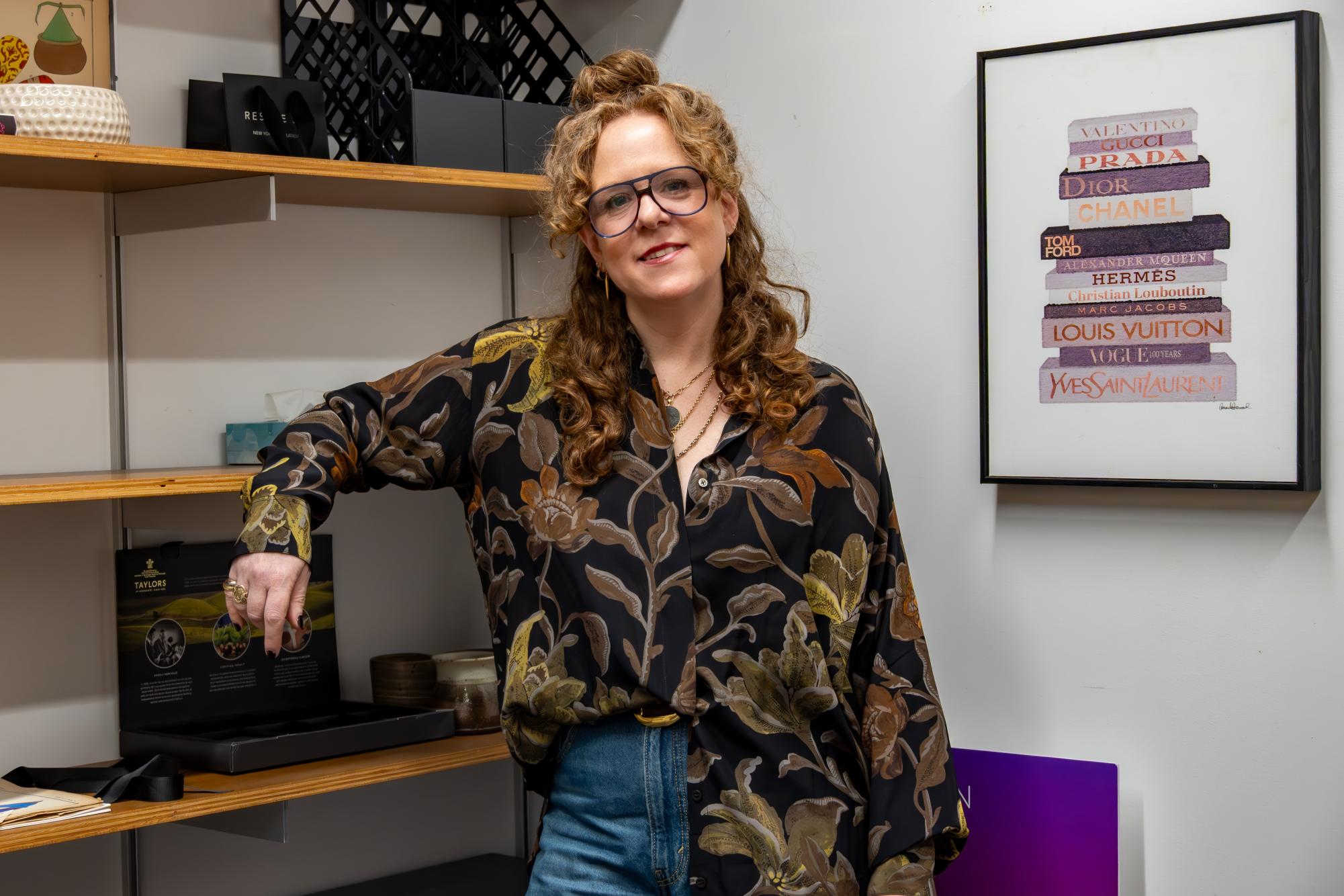
With a five-year tenure as CEO for independent fashion luxury brand Altuzarra under her belt, Gallatin visiting professor Shira Sue Carmi is no stranger to the industry. With additional experience consulting for other CEOs and serving on the board of both Altuzarra and SoHo boutique brand Another Tomorrow, Carmi claims that the industry lies at a crossroads as brands need to adapt to new technological developments, particularly the proliferation of artificial intelligence.
“The industry itself is sort of bifurcating, and has been for a long time,” Carmi said. “Fast fashion really has very little creativity, and now in the age of AI, is basically AI generated. At this point, there’s no true designer behind it. It’s just AI-generated clothes that are sort of commercially produced.”
This is evident in brands including ASOS, Nike, Zara and Shein, which use AI for reasons ranging from design generation to marketing tactics. Now, the art of sitting down with a pen and paper is shrinking as visual prototyping AI tools such as Ablo and Yoona.ai are used to create logos and trend-aligned design.
Luxury is no longer simply defined by brand names, but rather by trends that aren’t always attached to a single logo. As such, the trickle-down effect of mainstream brands taking direct inspiration — think high-end fashion dupes — from those at the top of the industry has become increasingly common. Carmi described the example of a camel coat being translated downstream from high-end brands such as The Row to Toteme, COS and ultimately ending up at Zara.
Ahead of NYFW, Carmi shared her excitement for independent fashion brands that display unique designs, in which creative freedom takes center stage.
“I want to see independent fashion brands presenting strong collections and expanding their businesses,” Carmi said. “I’m in this business because I love independent designers who have a vision — who are working for themselves and building companies. New York has the shows that are the most diverse, open for newness and open for creativity. I want to see that spirit of creativity come back.”
Contact Shreeya Goyal at [email protected].