


















After nearly a decade of organizing, contract faculty ratified their first unionized agreement with the university.
On April 6, Contract Faculty United, which represents around 950 full-time faculty at NYU, announced that its members voted 756-13 to approve the tentative contract it had reached with negotiators, guaranteeing salary increases, benefits and academic freedom protections.
Contract faculty began discussing unionization in 2017 and officially formed a union three years later. Due to the COVID-19 pandemic, the union didn’t publicize its demands until February 2023 — when it delivered a letter demanding recognition from then-President Andrew Hamilton at a rally in Bobst Library and later picketed on campus.
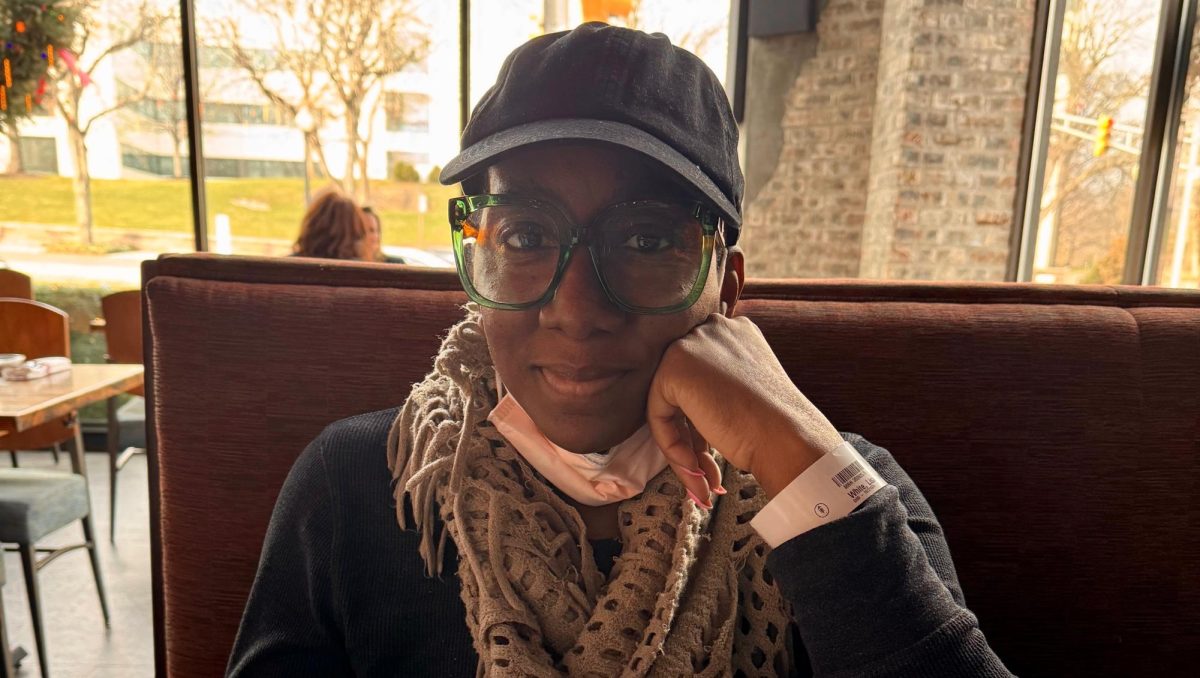
“The initial journey is one of building a community when there isn’t a safety net,” bargaining committee member Richard Dorritie, who joined the union around 2022, told WSN. “That means sticking your neck out for advocacy and exposing yourself potentially to firing, discipline and ostracizing, which never happened, but you have no idea.”


Legal hurdles significantly slowed the union’s battle for recognition, bargaining committee member Elisabeth Fay explained to students at CFU’s strike workshop last month. According to Fay, the union feared that seeking recognition through the National Labor Relations Board — the typical path to unionization — would mean “losing people” and decided to bypass the process by instead communicating directly with the university, a more challenging and time-consuming effort.
In January 2024, CFU saw its first progress, signing a voluntary agreement with the university to hold an election for formal recognition. One month later, members voted 553-72 for the union to represent them in negotiations with NYU, which began in November of that year.
“CFU is important because NYU is the largest private university,” union organizing committee member Dustin Jones said. “We all teach different things and have different backgrounds, but we’ve come together in solidarity to protect each other, to come together on a collective bargaining agreement that protects all of us.”

Last September, contract faculty and community members rallied outside the Paulson Center, after almost a year of bargaining and no public demonstrations. CFU members organized the protest as many began to feel frustrated with a lack of progress and claimed the university refused to compromise.
“We did everything we were supposed to do, and not surprisingly, administration really dragged their feet,” Dorritie said. “We were unwilling to let this process go for an absurd period of time, and so that required escalation.”


Union members delivered a letter to administrators in December, threatening to hold a strike authorization vote if negotiations remain stagnant. Contract faculty voted 627-67 in favor of a strike in February, five days after the union reached two tentative agreements with the university.
At a rally later that month, cohosted with Student Workers at NYU, CFU set its strike deadline for March 23 and accused university leadership of violating national labor laws.
“We are determined to fight for the contract we deserve and the university we deserve, but it’s also a stressful moment,” organizing committee member Anne DeWitt told WSN after the union set the deadline. “Striking is the most powerful thing a worker can do.”


Following almost 16 months of bargaining with limited results, the two parties negotiated for over 40 hours in the weekend leading up to the deadline. While they made substantial progress during the intensive sessions, CFU members were left unsatisfied with salary proposals and decided to move forward with the strike.
“We had compromised on so many different proposals, but the university had not compromised in the way that we had,” organizing committee member Carley Moore told WSN. “We just started to feel that this was going to go on forever, and we needed to leverage our power.”

The strike commenced at 11 a.m. on March 23, with students, local politicians and members of other unions picketing with contract faculty outside the Paulson Center. Before the crowd dispersed, bargaining committee members gave an update after 27 hours of negotiations and several tentative agreements.
Around 200 union members and supporters continued rallying the next morning, later joined by multiple politicians including Manhattan Borough President Brad Hoylman-Sigal. Contract faculty presented a revised offer that afternoon with discussions continuing hours after demonstrations ended at 4 p.m. In the early hours of March 25, CFU announced a tentative agreement, pausing the strike.
“In the day and time of rising fascism, I think the NYU administration was looking to keep itself out of the news,” Dorritie said. “Hundreds of people on the sidewalk in front of Paulson and national media coverage really did the job.”


The deal makes CFU members the highest-paid contract faculty in the country. However, for members of union leadership, it was the policies on academic freedom and reappointment that were most celebrated, providing tenure-type job security that they believe will bring fundamental change to the university.
“The impact is going to benefit students and faculty and staff and the whole university,” Dorritie said. “When professors have more stability in their job, that means we can do more in our classrooms and we can be true to the education and the pedagogy that follows that. That means as a university, we’re richer.”

Contact Alex Woodworth at [email protected].