






























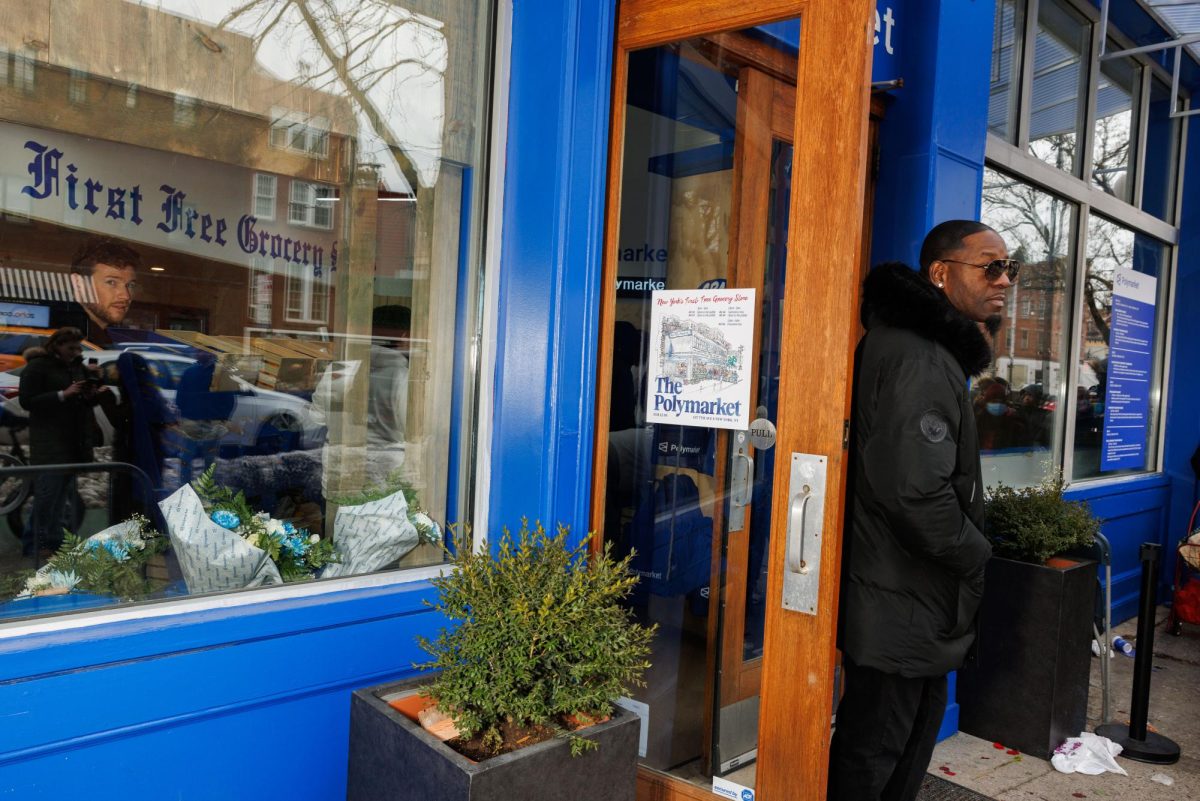
Everything is for sale. A concept usually reserved for goods and services now allots for buying and selling the future. On apps like Kalshi and Polymarket, users wager on questions that once belonged to pundits and priests: Which country will the United States strike next? How many times will President Donald Trump mention Greenland in his next speech? Is it finally the year of the second coming of Jesus Christ? These aren’t jokes buried in obscure corners of the internet. They’re trending markets and they’re changing our society for the worse.
The mechanics are simple. These platforms operate through what are called event contracts: Users buy shares in the outcome of a future event, divided between yes and no. If new information shifts the odds, they can sell their shares to lock in a profit or cut their losses. Once the event concludes, trusted data sources verify the result and the platform automatically pays out the winners. In other words, the news cycle has become a glorified stock exchange.
At first glance, the trend sounds like gambling dressed up in tech jargon. But legally, because it isn’t classified that way, these platforms are allowed to bypass many state gambling restrictions. They instead fall under the oversight of the Commodity Futures Trading Commission, an independent federal agency that regulates derivatives markets. This gray zone is part of what spurs a breeding ground for compulsive gamblers, allowing them to make quick money anywhere in the world.
But what happens when we turn geopolitics, natural disasters and theology into tradable assets? A Kalshi ad campaign says it plainly: “The world’s gone mad, trade it” — a tagline that feels almost too honest, even satirical. The app’s sleek interface makes participation extremely easy. There’s even a comment section under each market, transforming every prediction into a digital town square: part trading floor, part debate stage, part spectacle. And that may be the most striking shift of all. The question is no longer whether something will happen, but how much you’re willing to bet that it will.
It’s no coincidence that these platforms seem designed for the TikTok generation. Prediction markets are gamified and deeply social. They were, after all, built by the very demographic now glued to them.
Polymarket was founded by Shayne Coplan, a former NYU computer science student who dropped out during his first-year to pursue prediction markets full time. Today, his company carries an estimated valuation in the billions. Coplan joins a familiar American archetype: the college dropout who bets on himself and wins.
But what exactly have they built? These platforms allowing users to bet on a set of approved future eventualities foster a new form of insider trading, where those with power and wealth can profit off of results they’re directly influencing.
Consider a moment from last October: During a public appearance, Coinbase CEO Brian Armstrong pulled up a live Kalshi market betting on whether he would say certain words during his speech. Instead of sidestepping the terms, he deliberately said every single one. The internet lit up, but beneath the humor was a more uncomfortable question: Should he have known about the bet in the first place?
When powerful figures can directly influence the outcome of markets, the entire premise of prediction begins to wobble. For everyday users, trades are educated guesses. For politicians and insiders, they become leverage.
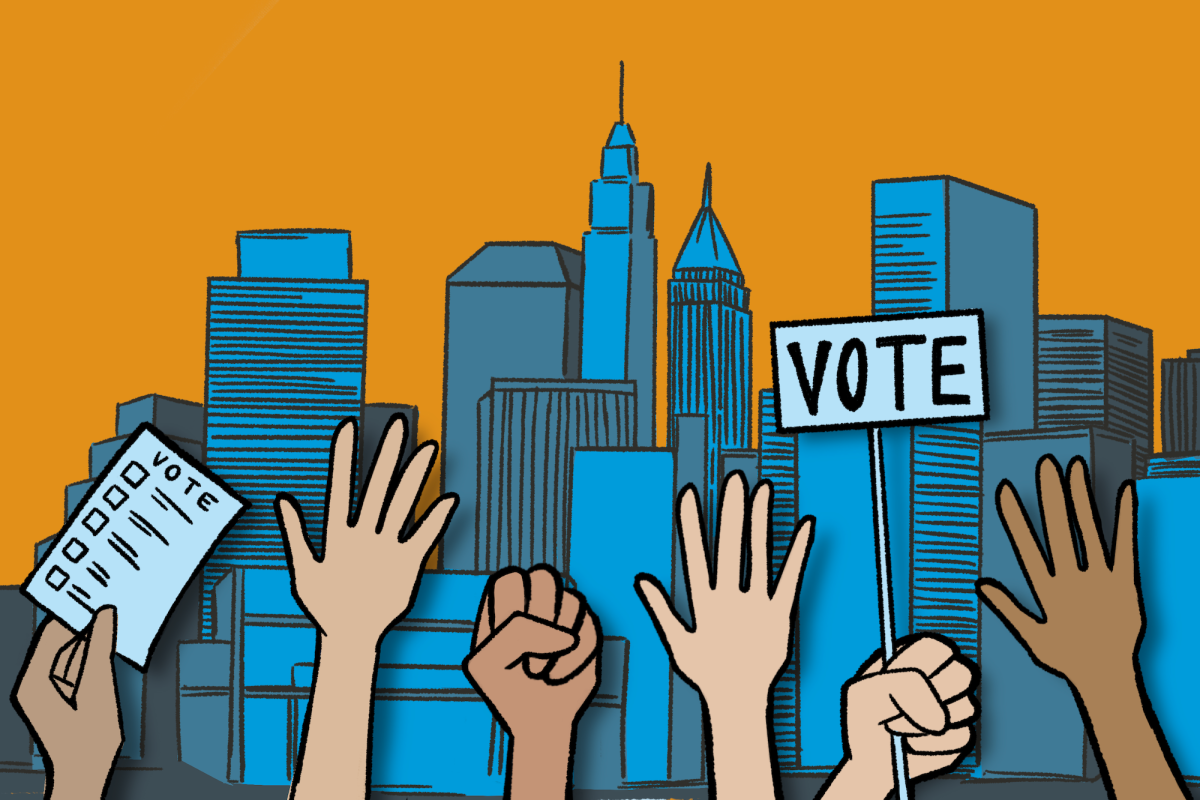
Imagine a trending contract predicting that only 50% of Americans will vote in the 2028 election. If enough money sits on that outcome, does abstention become profitable? Could organized groups benefit financially from discouraging civic participation? The scenario sounds dystopian, until you remember what is already being traded.
Prediction markets widen the aperture of our society, allowing individuals not just to profit from companies but from wars, elections and social unrest. This should be a wake-up call to everyone around the world. When everything becomes tradable, civic duty, public trust and even democratic engagement begin to carry price tags. The question is no longer whether something can be monetized. It’s whether we should allow democracy itself to become an asset in someone’s portfolio.
WSN’s Opinion section strives to publish ideas worth discussing. The views presented in the Opinion section are solely the views of the writer.
Contact Nikolai Kovach at [email protected].