




















A year in headlines: The biggest news at NYU
Under the Arch
A year in headlines: The biggest news at NYU
From a faculty strike to Epstein investigations, the 2025-26 academic year was nothing short of newsworthy.
The News desk | April 30, 2026

Hoax shooting threat spurs Campus Safety concerns
On Sept. 11, less than two weeks into the fall semester, dozens of NYU administrators received an email containing threats to open fire at Black students and faculty. Screenshots quickly circulated on social media, but a university-wide notice didn’t come until around two hours later.
The alert, from Campus Safety head Fountain Walker, confirmed the threat was a hoax, and it later became clear that more than a dozen other universities received similar messages — many of which entered precautionary lockdowns in response. Walker did not specify that the threat specifically targeted Black community members, sparking backlash from several on-campus groups who accused NYU of willfully withholding information.
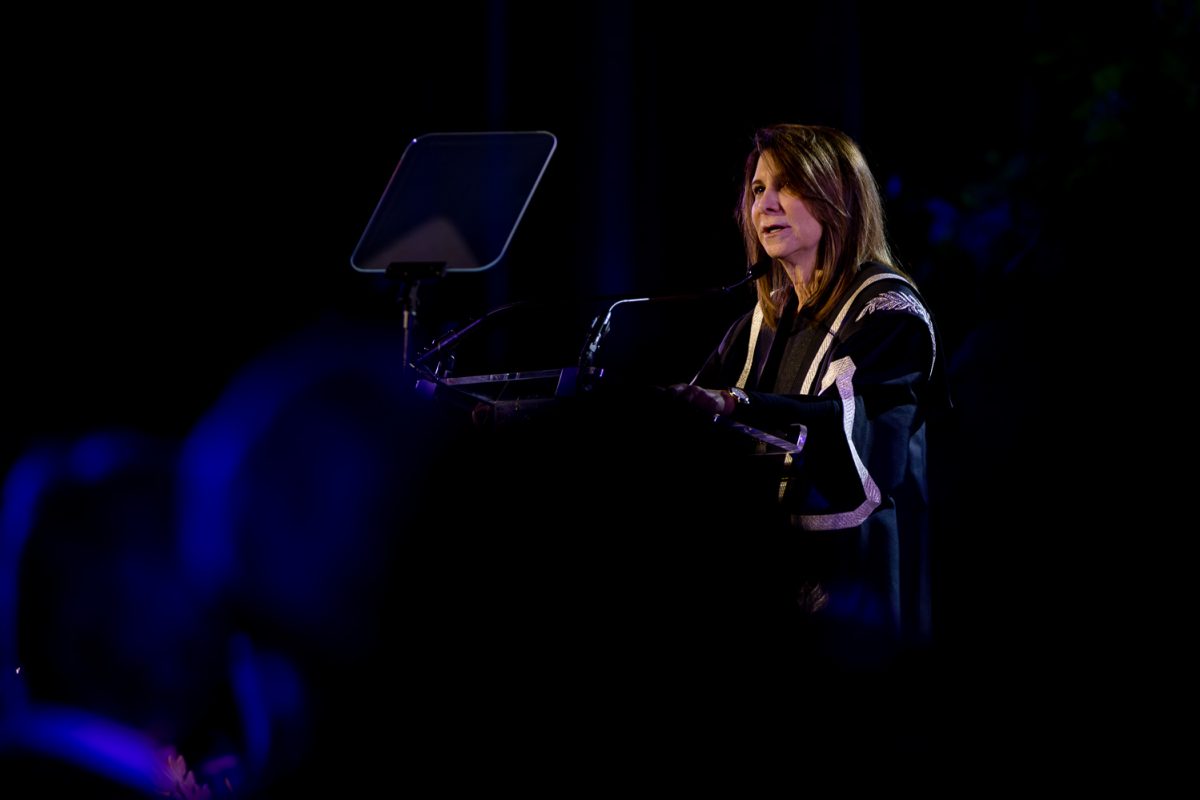
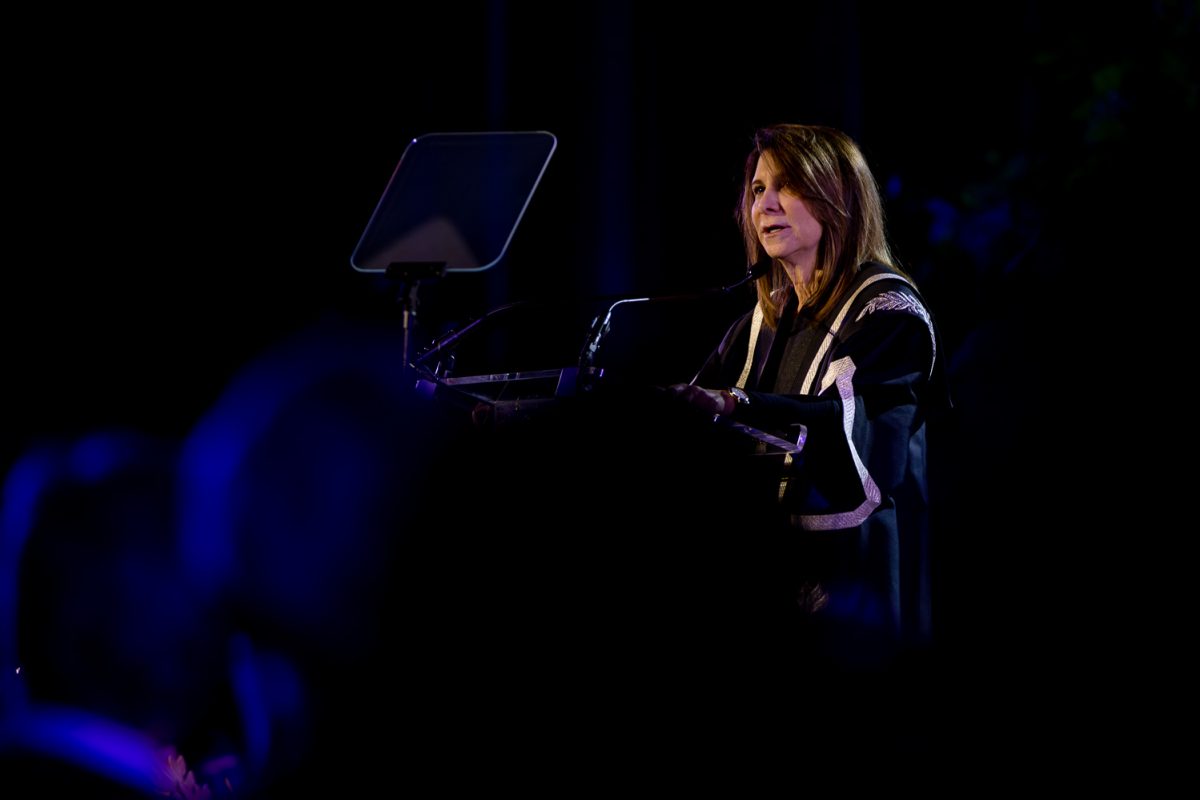
President Linda Mills called Campus Safety’s communications an “insult to injury” in a University Senate meeting later that month, promising that the university “will and must do better.” Administrators held listening sessions, but after a bomb threat in October, 44% of students surveyed by WSN said they still felt safety communications fell short.
Series of floods wracks campus buildings

Flooding emerged as a recurring problem this year, as four separate incidents of pipe bursts and water damage disrupted student housing and other campus operations.
In September, a pipe burst at University Hall forced hundreds of residents to evacuate the building, and nearly two inches of water flooded at least one dorm room. Two more pipe ruptures at Othmer Hall in November left water pooling in the lobby and around two dozen suites — after several students’ work orders to repair leaking pipes and air conditioners were reportedly left unanswered or dismissed.
Following both incidents, several residents noticed a lingering scent of mildew and raised concerns about mold. Multiple students also had trouble getting their belongings reimbursed for the destruction, particularly at Othmer Hall — where residents with hundreds of dollars in lost or damaged items were deferred to renters’ insurance, which many did not have.
Othmer Hall flooded again in March, and the law school’s library temporarily closed in February after a pipe burst. Last spring, a leakage in the Paulson Center relocated Club Fest to the Kimmel Center for University Life.
Students help lead Mamdani to mayoral victory

Zohran Mamdani’s mayoral win marked a historic moment on campus and across the city, as hundreds of students cast ballots alongside Greenwich Village residents at local polling sites — including six on-campus residence halls. Mamdani, a former Queens assemblymember, was named the next mayor less than an hour after polls closed, and many students celebrated at watch parties on campus and local sports bars.
Multiple students took on leadership roles in Mamdani’s campaign for mayor, with a CAS junior addressing nearly 13,000 attendees at the “NYC is not for sale” rally in Forest Hills Stadium, and others organizing canvasses throughout the city. Mamdani was strongly preferred by younger voters, with approximately 75% of New Yorkers aged 18 to 29 opting for the 34-year-old democratic socialist.
Around 100 days into his term, nearly half of residents were satisfied with Mamdani’s performance — slightly short of his predecessor, Eric Adams, who held a 61% approval rating three months in
Politicians probe NYU for Epstein affiliations

A congressman leading investigations into Jeffrey Epstein requested in January that NYU release all records and payments relating to the convicted sex offender — claiming he lured victims by promising acceptances into NYU, sometimes with covered tuition to “ensure their silence.”
Epstein offered at least six girls, including a high schooler, an NYU education between 1993 and 2004. Several victims accepted the offer: One received a scholarship Epstein helped arrange and another graduated despite frequently missing classes while Epstein was grooming her, leading her to believe he addressed the absences with administrators. While the university initially said it was “fully committed to cooperating” with the investigation, it has yet to address the request for records, over three months after the deadline.
Several prominent NYU affiliates appeared in the 3.5 million pages of Epstein-related records released by the Department of Justice. Matthew Bronfman, a current member of the President’s Global Council and honorary chair of NYU Hillel, sent Epstein a holiday card and invited him to personal celebratory events. Former Tisch Dean’s Council member Brett Ratner was pictured alongside Epstein and two women, and current member Steve Tisch said in emails that he met several young women through the financier. Major donor and Stern board member John Paulson was also named “one of the billionaires” in the sex offender’s contact list.
After falling $71 million short, NYU tightens budget
President Linda Mills revealed in February that NYU will “undertake additional steps” to compensate for a $71 million deficit in fiscal year 2025 — the first time in years that the university’s expenses surpassed its $11.6 billion revenue. The announcement followed a year of financial turmoil as the Trump administration slashed financial aid programs and pulled millions of dollars from NYU’s research funding.
Mills attributed budget shortfalls to the federal cuts, alongside declining graduate student enrollment rates and a decrease in international students due to visa restrictions. She relayed plans to expand the university’s “high-demand programs” and work with department leaders to cut discretionary spending, and since then, several student clubs have reported smaller budgets.
NYU saw a $69 million surplus in fiscal year 2024, but after the Trump administration began dismantling federal support for higher education, the university froze all administrative hiring and cut spending by an average of 3%. Weeks after Mills announced the deficit, NYU also entered an agreement with the U.S. Department of Education to review diversity-related partnerships amid additional threats to cut federal aid.
ICE escalations prompt calls to protect international students

As President Donald Trump escalated immigration enforcement across the country — including a raid near Lafayette Hall — students protested in contempt. Over 600 students called on NYU to ramp up protections for international students in a February petition, proposing a system to alert students of U.S. Immigration and Customs Enforcement agents near campus and a remote learning option for those concerned about their safety.
Washington Square Park protests, where students chanted “NYU don’t comply, don’t give in to Trump’s lies” and demanded the university declare itself a sanctuary campus, persisted throughout the year. Demonstrations escalated after ICE agents killed Minneapolis residents Renee Good and Alex Pretti in January, after which students joined hundreds in Foley Square to take their condemnation beyond NYU.
Students from across the political spectrum debated immigration policies, and after ICE agents detained a Columbia University senior in February, student senators discussed precautions Campus Safety could take if immigration officers attempted to do the same at NYU. Days later, NYU posted flyers around campus declaring that federal agents can only enter university buildings with permission, during emergencies or if they possess a signed judicial warrant or subpoena.
NYU Langone axes gender-affirming care for minors

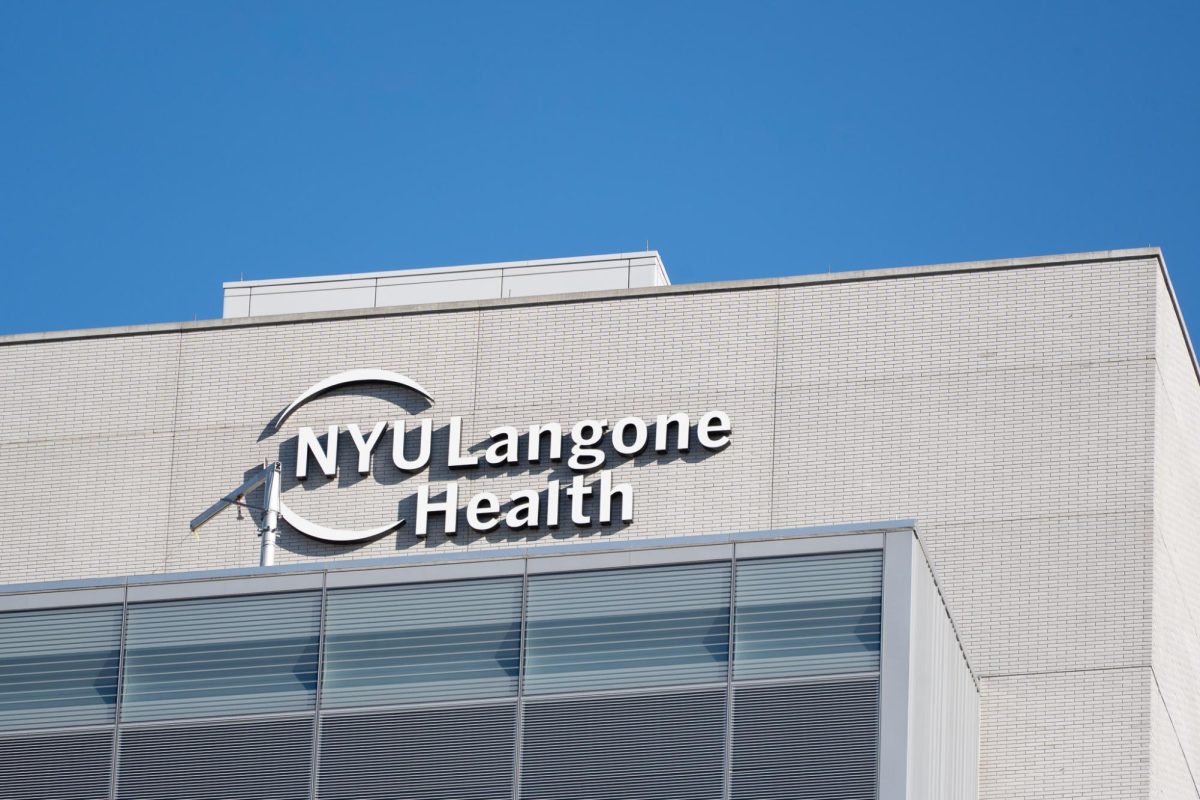
Facing mounting pressure from the Trump administration, NYU Langone Health terminated its Transgender Youth Health Program in February — sparking backlash and threats to take legal action from dozens of city and state politicians, as many teenagers found themselves without access to gender-affirming surgery, medication and other treatments.
When patients and their families — who learned of the program’s termination on its last day of operations — asked about the decision, NYU cited financial threats from the Trump administration, which had said in December that it would pull Medicare and Medicaid from all hospitals that treat transgender youth. Over 40 medical centers across the country subsequently shut down gender-affirming care programs for young people, forcing many to turn to private, often pricier services.
Local LGBTQ+ advocacy groups quickly organized protests, while over 70 politicians signed a letter condemning the decision and the office of New York Attorney General Letitia James demanded NYU Langone reinstate its transgender youth program, claiming the termination violated civil rights laws. James had issued a similar statement the year prior, prompting the medical center to reinstate the gender-affirming care appointments it had canceled — but this year, the program remains shuttered.
Graduation policy changes and cancellations spark student dissent

NYU overhauled two longstanding graduation practices — affinity-based celebrations and live student speeches — in February, facing concerns about its political image. Both decisions sparked widespread backlash among students, but only one has since been reversed.
Administrators canceled 13 affinity graduation ceremonies — events honoring seniors from shared cultural and identity backgrounds — citing the “current political climate.” Within a day of the announcement, students organized the “Our Stories, Our Stage” Instagram campaign, urging other students, faculty and alumni to sign a petition calling for the ceremonies’ reinstatement. After first proposing one umbrella event encompassing all of the affinity celebrations, NYU introduced 13 “Community Celebrations” in March — allowing the ceremonies to continue under a new name.
Tensions escalated when NYU announced that student speakers at school-specific graduation ceremonies will no longer deliver live remarks, instead prerecording speeches to ensure a “respectful experience” for all attendees. This came after the university withheld the diploma of a Gallatin graduate who, in his speech last May, condemned the “genocide currently occuring” in Gaza.
Contract faculty strike after 17 months of negotiations

Labor tensions escalated this year as NYU’s contract faculty union passed a strike authorization by 90% in March. After a week of intense negotiations, the faculty strike lasted less than 48 hours before both sides reached a tentative agreement on March 25 — winning a $14,000 salary increase per member and improved health and retirement benefits. After members returned to work, Contract Faculty United — which represents over 900 full-time faculty — secured its first official contract in April.
Leading up to the strike deadline, faculty organized workshops and held demonstrations, rallying alongside local politicians and other on-campus unions. CFU also received a letter of support from 65 local councilmembers and representatives, who emphasized NYU’s obligation to respect its faculty.
The university offered to hire a mediator in the fall semester after repeated back-and-forth between the two parties, which the union rejected, claiming that it wouldn’t solve administrators’ “slowness” in responding to proposals.
CFU was first recognized in February 2024. The union began bargaining six months later, advocating for higher salaries, job security and protections for international faculty, among several other agreements.
Abu Dhabi campus shuts down amid Iranian strike threats
After U.S.-Israeli strikes commenced on Feb. 28 — and Iran retaliated in response — NYU’s degree-granting Abu Dhabi campus, as well as its study-away site in Tel Aviv, upended operations and moved classes online for several weeks.
After sheltering in basements when strikes landed just five miles from campus, students at NYU Abu Dhabi moved to hotels and began attending classes online “for the foreseeable future” in early March — while Tel Aviv administrators said they were addressing alerts “as appropriate.”
The two sites shut down completely around one month later, when Iran’s leadership threatened to strike American campuses in the Middle East after U.S.-Israeli strikes hit two Iranian universities. Faculty, researchers and staff, as well as students still living on campus, were advised to evacuate at least one kilometer away “out of an abundance of caution” until further notice.
Fabio Piano, NYU Abu Dhabi’s interim vice chancellor, announced on April 22 that following a week of “no sky activity” — and a U.S.-Iran ceasefire extended — the campus will reopen with limited access. While students, faculty, researchers and staff initially had to apply to access offices, classrooms and labs on a day-to-day basis, the campus is now fully open to community members. Plans for graduation and summer programming have yet to be announced.
Contact the News desk at [email protected]

Leena Ahmed is a senior studying international relations with a minor in French. When she’s not on her most used app on Screen Time, Gmail, she’s probably...
Natalie Deoragh is a first-year studying journalism and English at GLS. When she's not writing in her messy notebook, she can be found in the dojang praticing...

Eva Mundo is a sophomore studying journalism and international relations at CAS. Her main hobby is finding new coffee shops around the city, and if she's...
Selin Kemiktarak is a senior studying politics. Although she is originally from Turkey, she has lived in Singapore and Switzerland prior to finding her...
Zachary Karp is a first-year studying politics. He's from "the Washington, D.C. metro area," which is actually just suburban Maryland but sounds way, way...

Justin Yen is a sophomore studying finance with a minor in politics. When he’s not constantly checking his Gmail, he can be found logging laps at the...
Kyra Reilley is a senior studying interactive media arts with a minor in web programming. You can probably find her bouncing between all her clubs or catching...
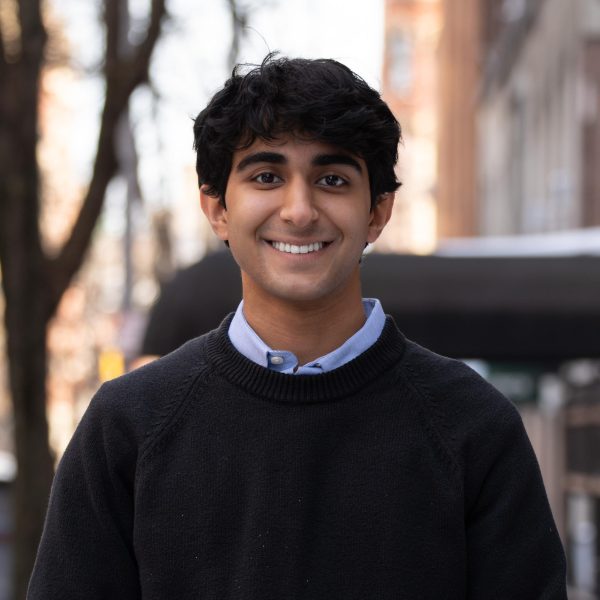
Neil Tawney is a first-year studying business and technology management. When he’s not studying in Bobst, you can find him outside of Palladium getting...
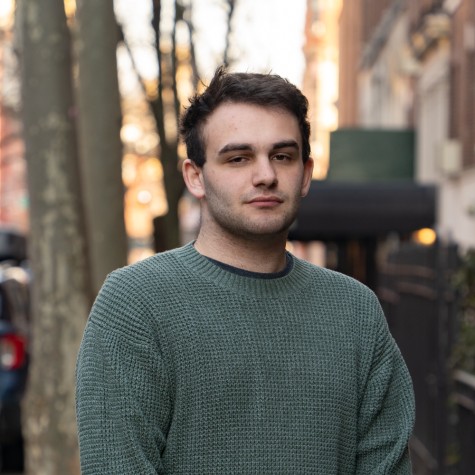
Jason Alpert-Wisnia is a senior majoring in Photography and Imaging at the Tisch School of the Arts, primarily focused on photojournalism and documentary...
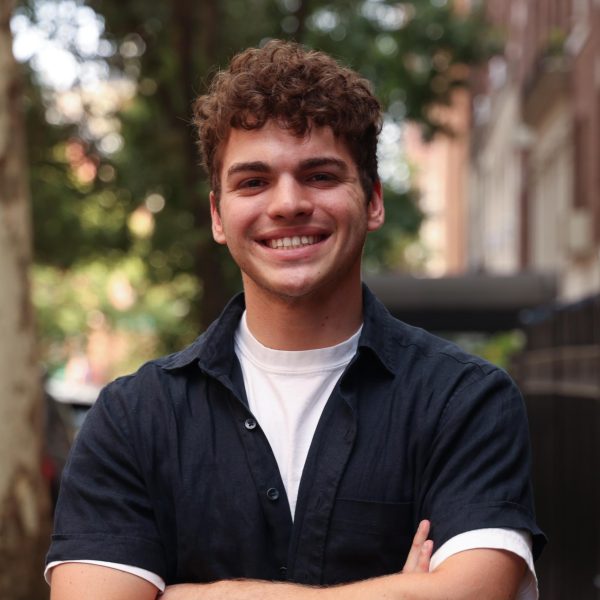
Alex Woodworth is a sophomore studying public policy and economics. When not taking photos, you can find him at a Yankees game, searching for the best...
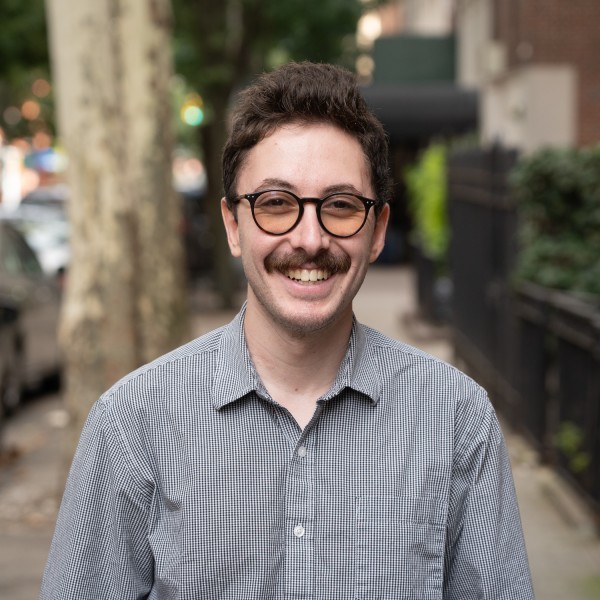
Danny Arensberg is a senior majoring in photography and imaging at Tisch School of the Arts. With a primary focus on photojournalism and current affairs,...