


















The fight for affinity graduations
Under the Arch
The fight for affinity graduations
After NYU’s abrupt cancellation of affinity graduations in February, students quickly mobilized to reverse the university’s decision.
Julia Kim, Culture Editor | April 30, 2026
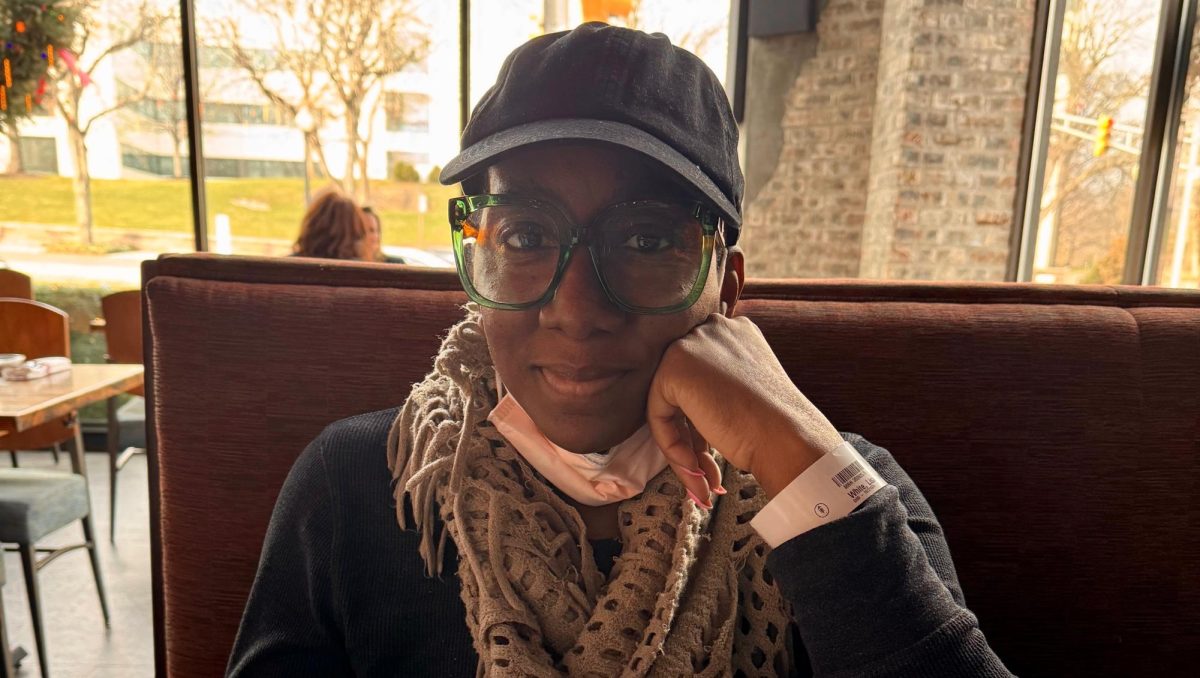
Rory Meyers senior Sariah Vaioleti first attended NYU’s Native affinity graduation as a junior. Soaked from the rain outside, she slipped into the back of the King Juan Carlos Center auditorium in time to watch her friends cross the stage in full regalia, be ceremonially blanketed in the Native graduation tradition and hear speeches from fellow Indigenous students.
“One of the graduates was reading his poetry to everyone, and it just felt like the air was sucked out of the room and replaced with an energy that was purely spiritual,” Vaioleti described. “It didn’t feel like we needed to breathe oxygen because we were just breathing alongside each other. We were in another realm.”
Sitting in the auditorium, Vaioleti, now president of NYU’s Native American and Indigenous Students Group, knew she wanted to return to that space with her friends when it was their turn to graduate. That was until February of this year — when administrators abruptly canceled all 13 identity, culture and faith-focused graduations, citing the “current political climate” when pressed about the decision. Replacing them would be a single, consolidated celebration at the Paulson Center, encompassing all identities. Administrators told affinity-based clubs that if they were to hold alternative end-of-the-year celebrations, they could not “be named a graduation.”
“I just remember blood just rushing through my ears, and I remember feeling really hot,” Vaioleti said. “I just kept getting hotter and hotter — because I refused to believe in something like that, and I also refused to believe that they think we’re stupid enough to take that.”
Embracing culture
For many graduating seniors, the affinity celebrations — unlike the universitywide Yankee Stadium commencement and school-specific ceremonies — are the only graduations where they’re able to walk on stage and have their family and friends in the audience. Gayatri Rodríguez, who graduated from the College of Arts & Science in 2025 and attended the Latine celebration, said she was disappointed by NYU’s decision to cancel the ceremony given how excited she was for her own. After moving to New York from Puerto Rico, Rodríguez said she often found herself missing home and searching for ways to stay connected to it. For her, the Latine celebration offered a way to graduate while honoring her Puerto Rican heritage.
“I really cared about my parents seeing me graduating in the most similar way possible as how it would be back in my country. I wanted people to say my name and say it in the most similar way possible — I already expected them to not say it that well at other NYU grad things, so that was the one thing that I wanted,” Rodríguez explained. “It’s very important to have that special moment be connected to what made you who you are and the culture that makes you the person you are.”
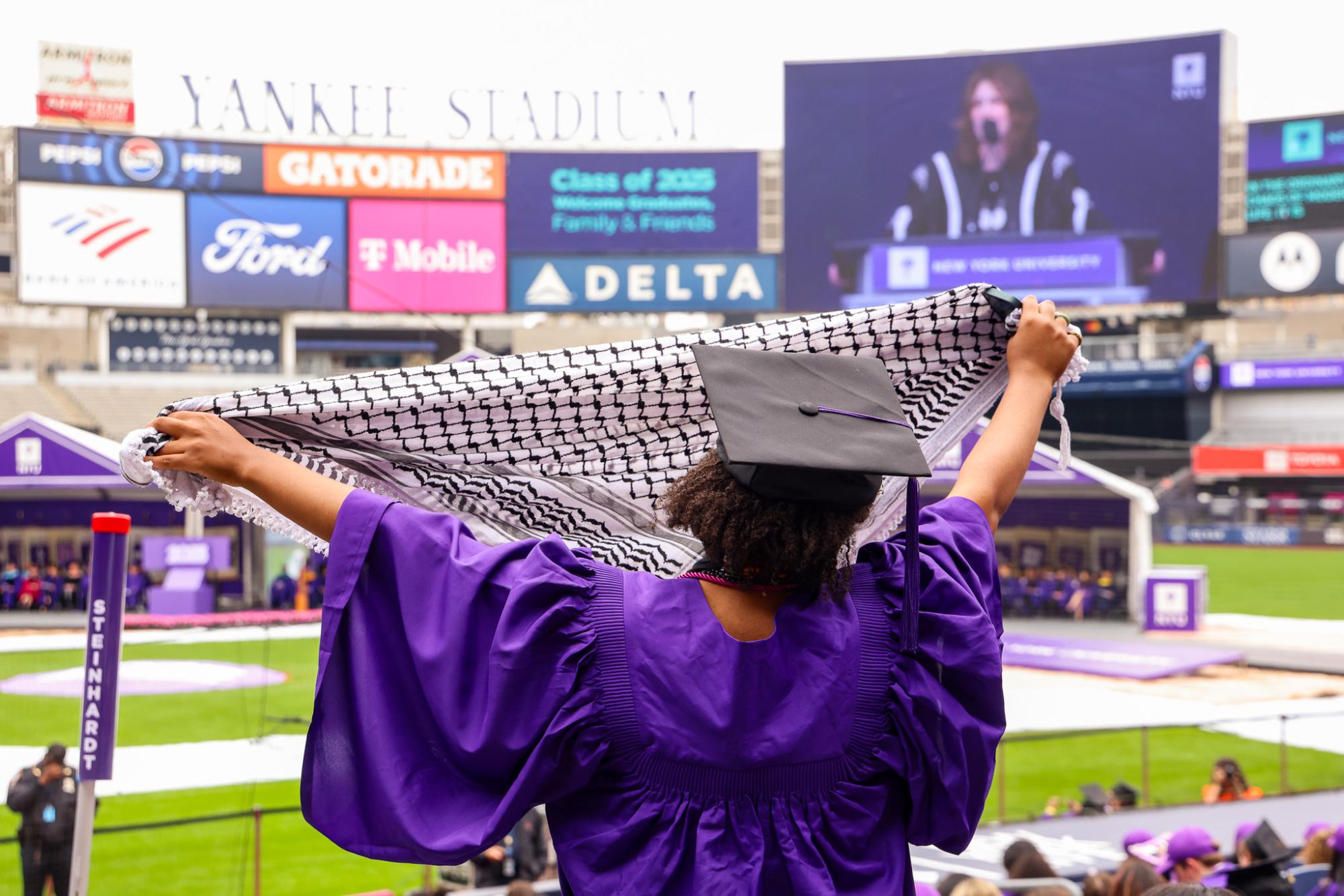
The affinity graduations also provided some of the only opportunities for students to wear their cultural attire. While Rodríguez wore a custom bandana with her name and “Puerto Rico” stitched into it, others waved the Puerto Rican independence flag during the celebration. Kat Thompson, who graduated from the School of Professional Studies last year, wore head-to-toe traditional clothing for their Native affinity celebration.
“It was the first time that I was able to wear full Native regalia on campus,” Thompson said. “I was even wearing traditional makeup, and I have never done that in public before — outside of Native communities, at least.”
Student resistance
Upon hearing of NYU’s cancellation, Vaioleti immediately reached out to other identity-based clubs on campus. Two days later, student outrage transformed into the “Our Stories, Our Stage” campaign on Instagram. It condemned NYU for the cancellations and called on students and alumni to share their experiences with affinity graduations, email administrators and sign a petition demanding the ceremonies be reinstated, which eventually amassed nearly 1,500 signatures.
Anne-Marie Garcia Jardine, an SPS graduate student involved in the campaign, had her undergraduate Latine affinity graduation at the University of Texas at Austin canceled due to a state law prohibiting diversity, equity and inclusion programming. Seeing a second graduation of hers be canceled — but with only vague reasoning — raised both confusion and anger as she helped find alternative venues for affinity celebrations.
“How many people come to New York City because this is a progressive, accepting place where people can live freely?” Garcia Jardine said. “NYU is like, ‘Never mind.’ They don’t have a law telling them they can’t do it. That’s what was getting me. It’s like, ‘Who is telling y’all this?’”
By March 9, NYU had rescinded its decision and quietly reinstated the celebrations. The cancellation — and its subsequent reversal — follows a wave of pro-Palestinian demonstrations at graduation ceremonies, and comes alongside several other newly restrictive policies. Student speakers must now pre-record their statements rather than giving live speeches, and last year, the Graduate School of Arts & Science barred “decorated caps, sashes, stoles, cords, pins, scarves” as well as “any signs or banners” — ostensibly due to security reasons.

Contradicting values
Affinity graduation cancellations seemingly mark a fundamental contradiction of NYU’s ethos. Promoting itself as a “campus without walls,” the university avidly markets its diverse student body and slate of advocacy initiatives, built on the contributions of students and faculty of color. However, Thompson said the everyday reality those students face is starkly different.
“No one really knows that we even exist half the time. I’ve heard some people in Indigenous classes at NYU literally say, ‘Oh they’re all wiped out, like none of them exist,’” Thompson said. “I’m standing right here. I’m right next to you. Like, what are you talking about?”
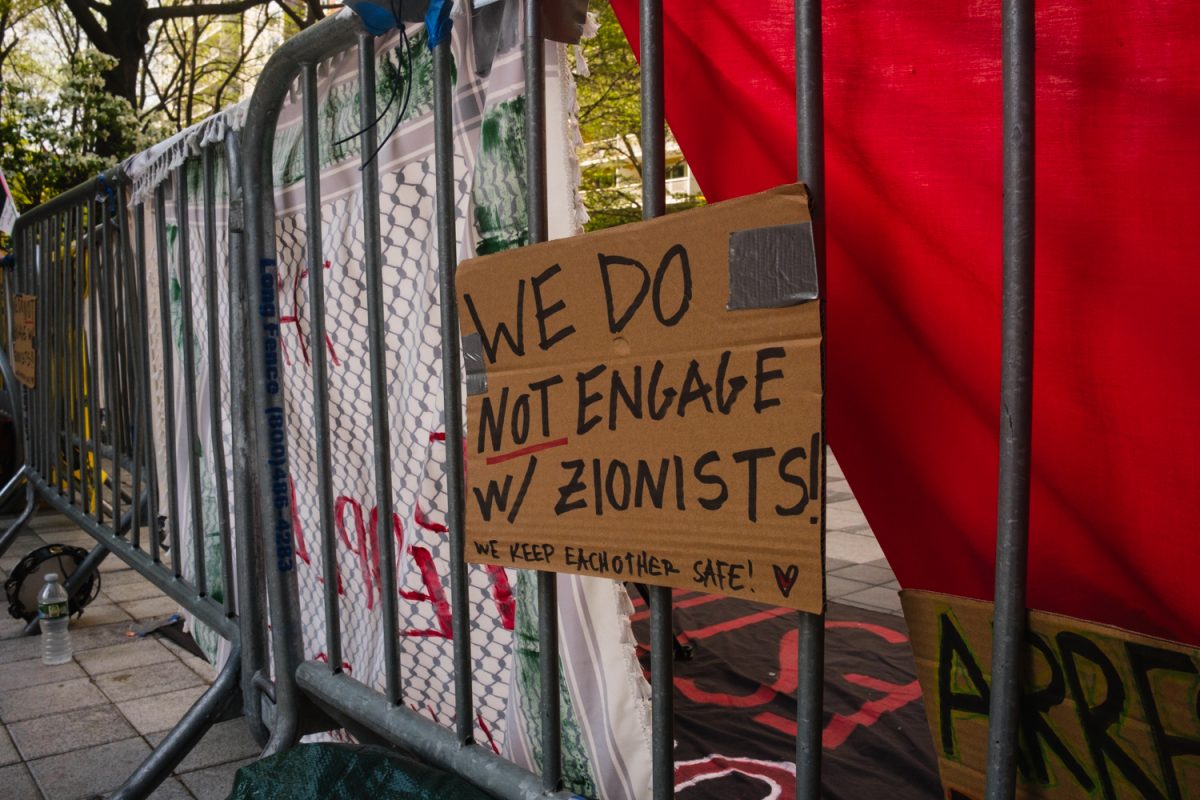
Especially following NYU’s violent repression of pro-Palestinian student encampments in 2024 — when administrators authorized the arrests of dozens of students and faculty, subsequently barring many from campus — Thompson found themselves wondering what it meant to graduate knowing friends of theirs had suffered from the brunt force of the administration, some even losing their degrees for their activism.
The past year has proved especially challenging for marginalized students. Violent attacks on immigrant communities, rollbacks on gender-affirming care at established providers like NYU Langone Health, massive cuts to federal aid and more have continuously shadowed the lives of marginalized students. NYU itself has witnessed a drop in enrollment from Black and brown students post-affirmative action, alongside a lack of administrative urgency allocated for Black students after a racist shooting threat reached the student body.
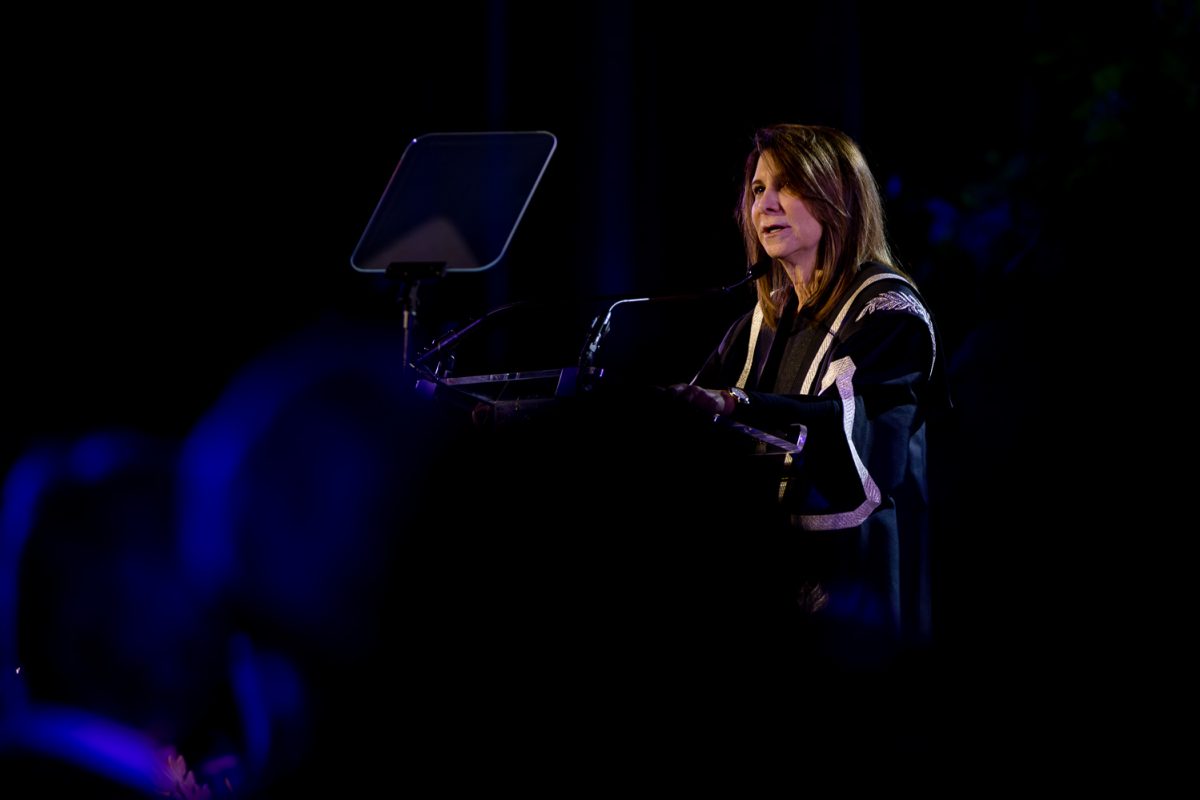
At the APID/A ceremony on April 27 — one of the first of many affinity celebrations to come in the next few weeks — CAS professor and keynote speaker Michael Salgarolo honored students in their efforts to reinstate the events, building upon both the sense of outrage and the possibilities of community laid in the pro-Palestinian student encampments and organizing efforts against NYU’s attacks against its students at large.
Existing fully
Sitting in the audience of the Native affinity graduation, her eyes following her friends walking across the stage, Vaioleti felt that she was watching them in a way she hadn’t seen for a long time.
“They were just smiling in a way that made them look young. This university had made them look so worn down and tired that I almost didn’t recognize them, and I was just so grateful for that,” Vaioleti described. “I was so grateful to see them so untethered to this institution’s consistent burden of responsibility put on them that they didn’t agree to, and just being able to live fully in that moment with all of us.”
Vaioleti herself entered the university as a Martin Luther King Jr. Scholar, with a commitment to combat health disparities within Indigenous communities wrought by colonial violence. In this sense, affinity celebrations serve not just as sites of achievement, but also as reminders of why she came to NYU in the first place.
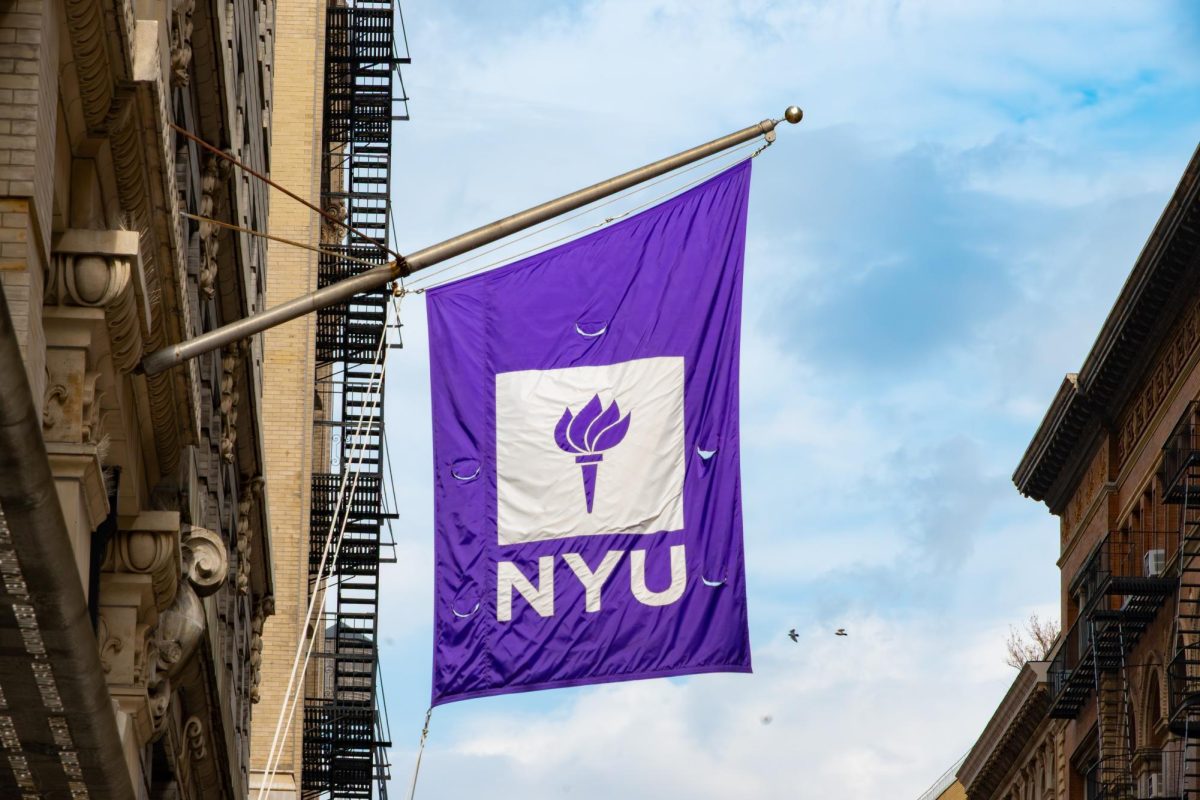
“What is my inspiration? It is my family being proud of me. It’s being able to know how to care for my grandparents in a way that so many people in my community need to be aware of and having the knowledge that I’ll be able to give back to them,” Vaioleti said. “It’s never been a priority for me to be proud of wearing purple, but it’s always been a point of pride for me to be a Vaioleti, which actually translates to violet.”
Contact Julia Kim at [email protected].
Julia Kim is a sophomore studying journalism and gender & sexuality studies at CAS. Originally from Missouri, they can be found awaiting R.F. Kuang's...
Julia Smerling is a junior studying photography and imaging. She is from West Palm Beach, Florida, and you can find her writing poetry, obsessing over...