

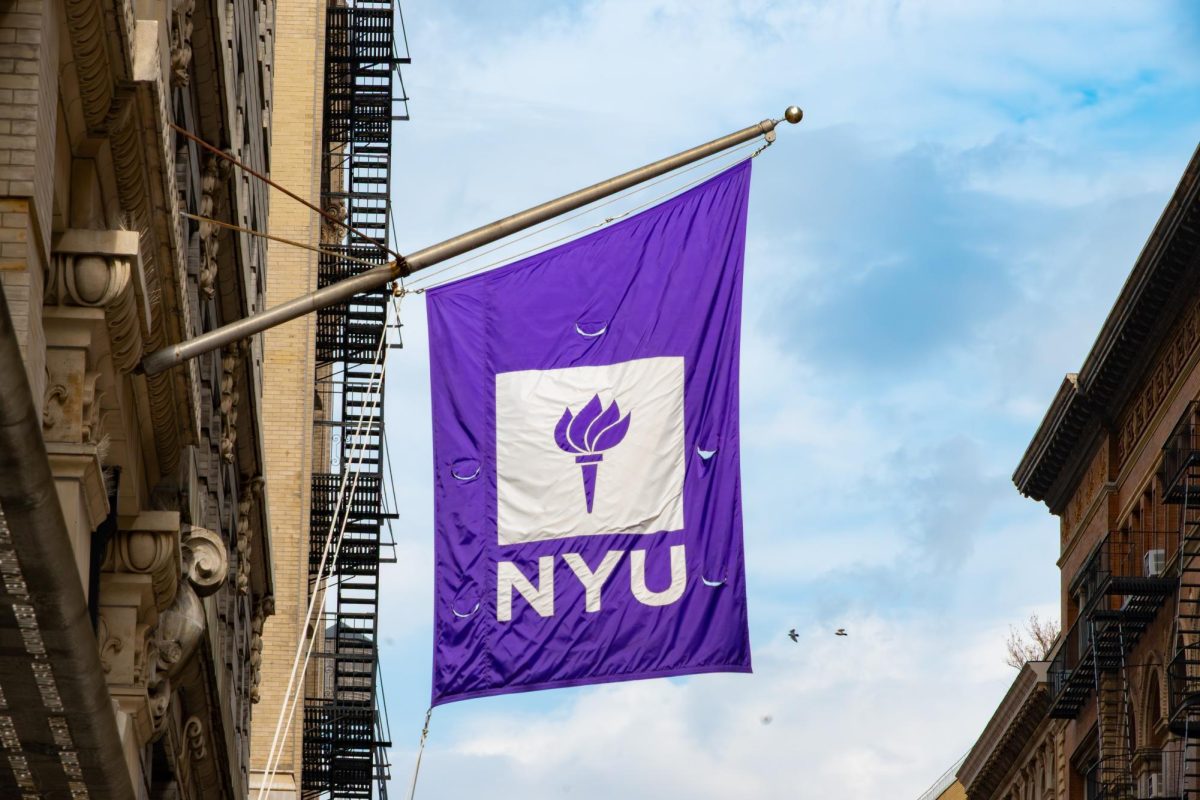


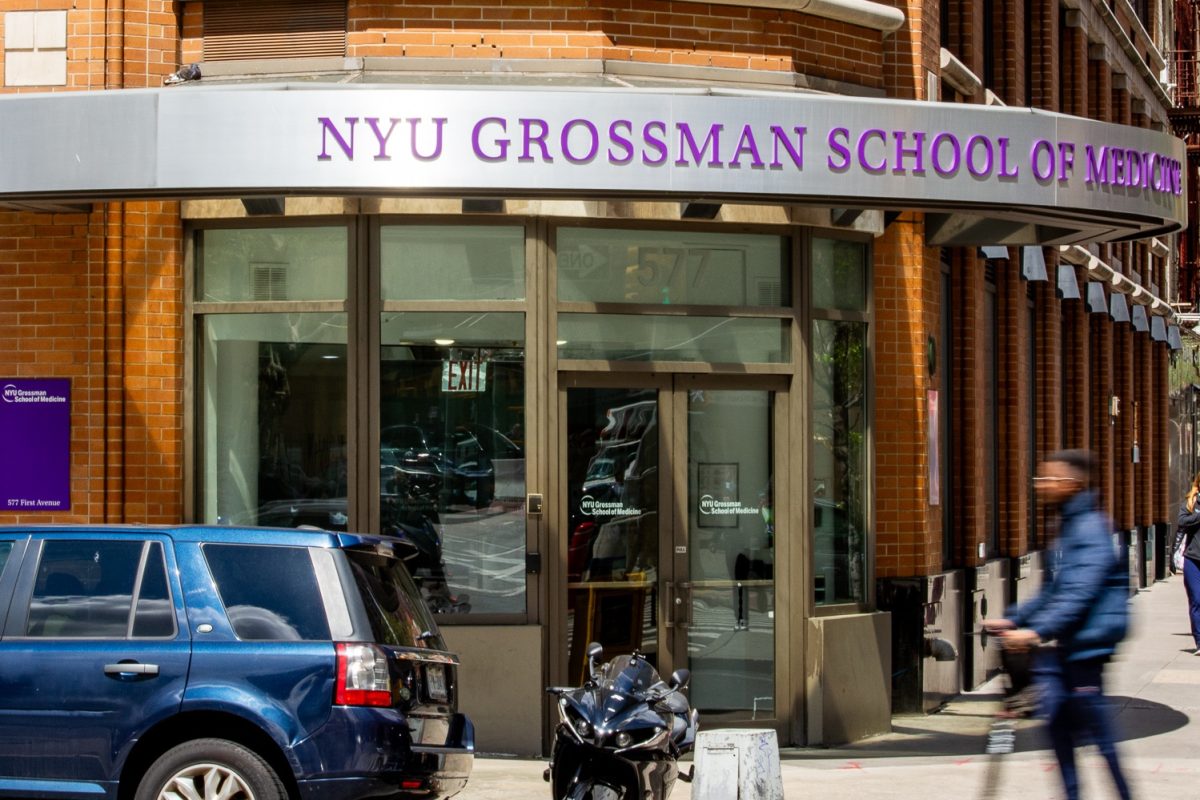
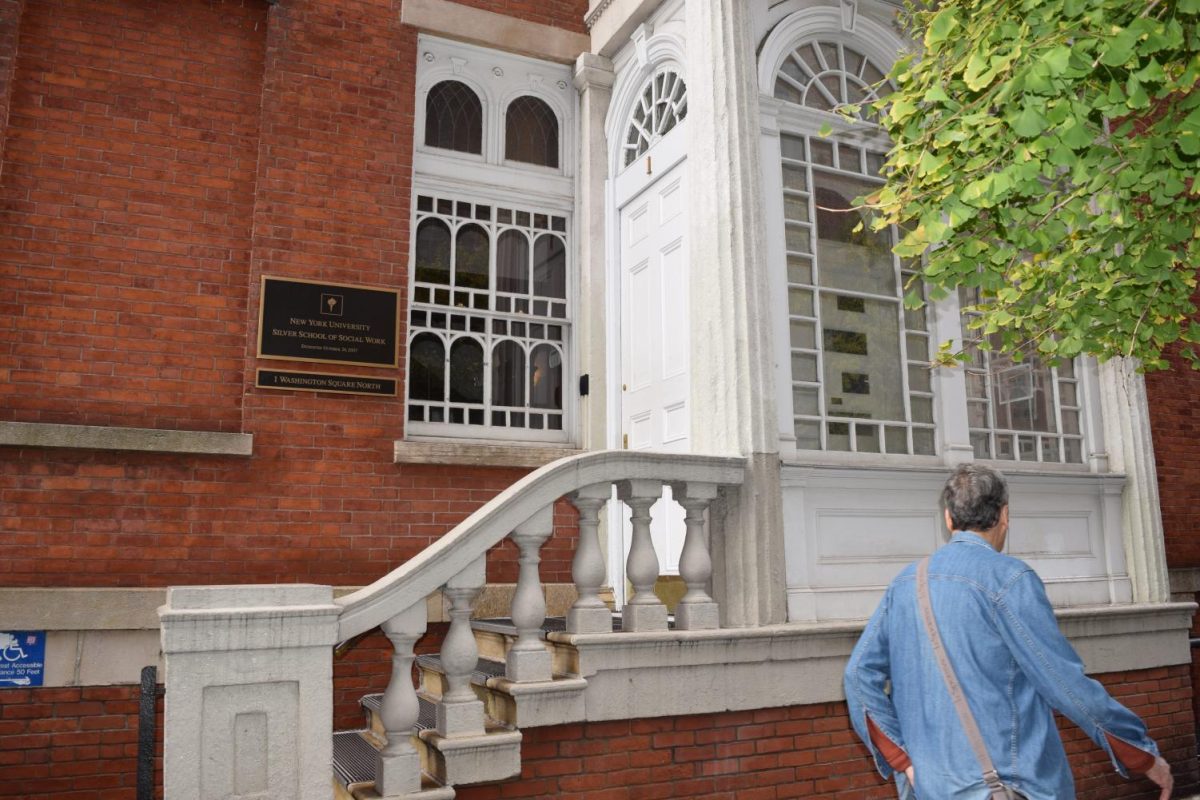



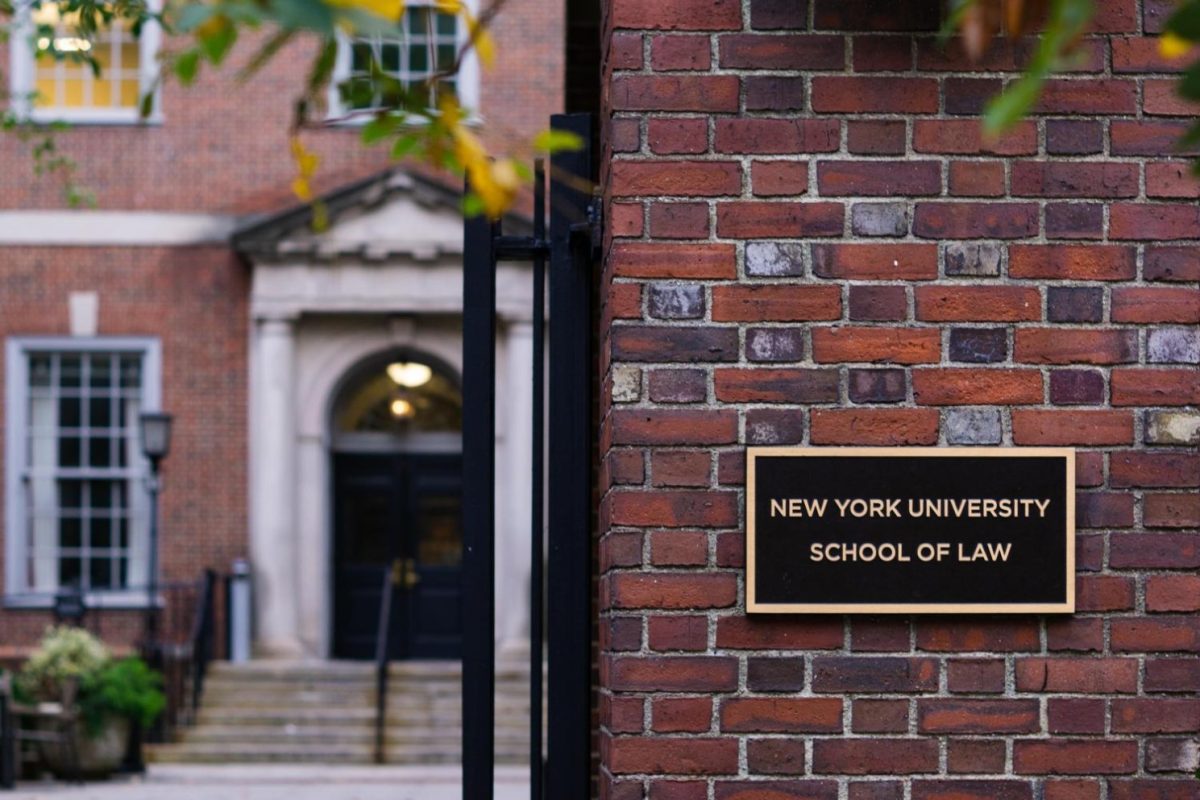











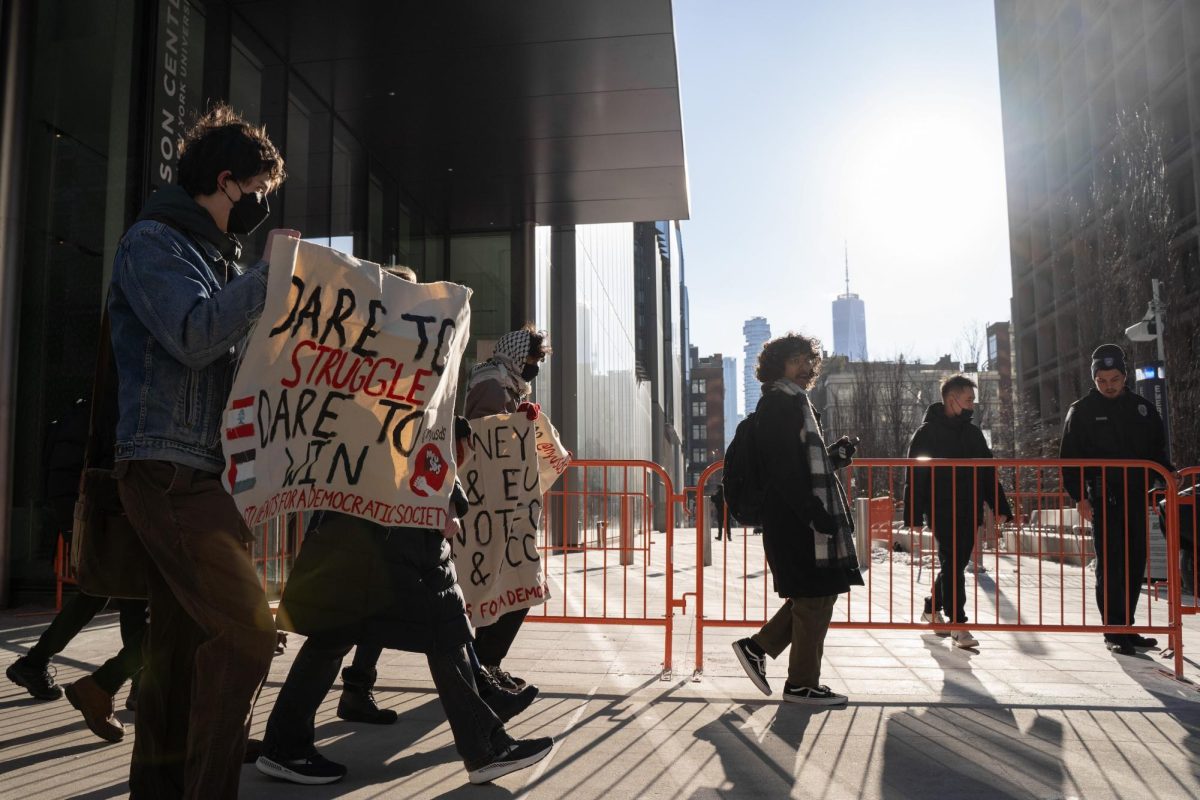
Protesters outside Bobst Library, the Paulson Center and other NYU buildings could soon be facing off with the New York Police Department if Mayor Zohran Mamdani signs legislation that would increase police control over protests around schools.
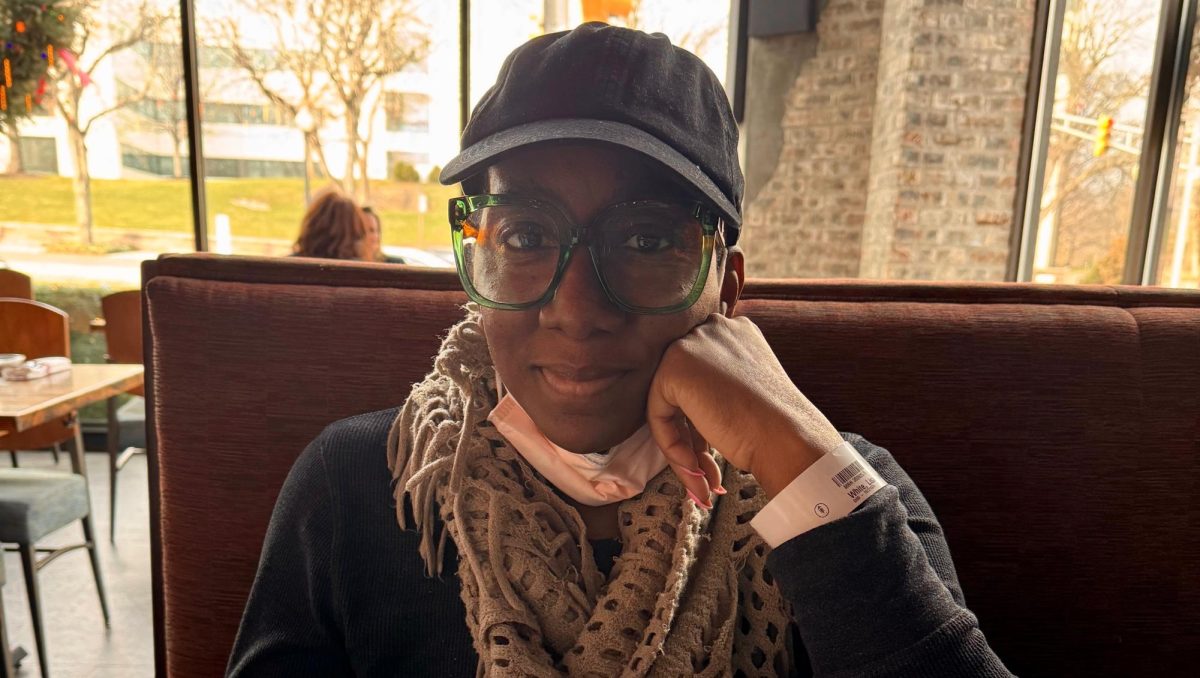
“There’s this fear for potential repression — people are afraid to attend protests on campus, or to get involved at all politically,” Ebtesham Ahmed, a Tandon senior who frequently leads demonstrations at NYU, told WSN. He worries that increased NYPD involvement in campus protests could further discourage student activism.
The New York City Council passed two bills last month that would require the NYPD to establish and publish its response plans to protests held outside schools and places of worship, detailing its use of security perimeters around entrances and its plans to communicate with the public. Now, Mamdani faces mounting pressure to ratify the policy from organizations advocating for protest regulations.
The Schools and Houses of Worship Access and Safety Act constitutes a watered-down version of proposals first presented in January, which called for 100-foot buffer zones at the entrances of educational and religious sites. After free speech activists and the NYPD raised concerns about the bill’s infringement on First Amendment rights, council members amended the proposals — making the buffer zones optional, but explicitly encouraged.
Steinhardt professor Robert Cohen, who studies higher education and social protests, said the two bills coincide with a decline in student protest at NYU and across the country. Many universities began cracking down on protests in 2024, and the Trump administration subsequently scaled efforts to retaliate against students involved in on-campus organizing.
“We’re in an era where free speech is decreased as a value compared to order,” Cohen told WSN. “There hasn’t been a mass student protest against things that the Trump administration’s been doing because the rules that they changed in 2024 and 2025 had a chilling effect on free speech.”
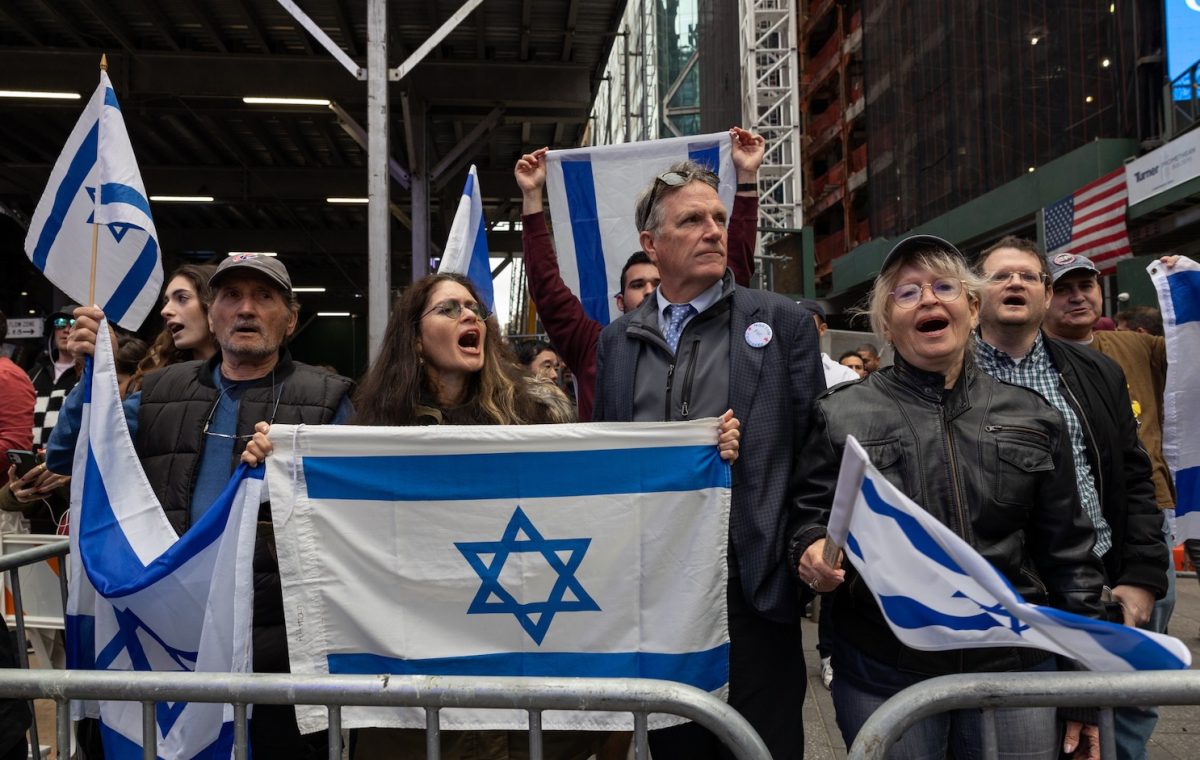
City Council Speaker Julia Menin drafted the bills following an uptick in pro-Palestinian protests outside synagogues in the Upper East Side last November and Queens in January. The demonstrations were organized during events that promoted American immigration to Israel and encouraged the sale of land in Israel and occupied territories.
Politicians including Mamdani, Governor Kathy Hochul and State Attorney General Letitia James quickly condemned the protesters’ rhetoric, which included chants of “We support Hamas here.” One week after the protests, Menin announced a five-point plan to “combat antisemitism,” which included the protest bills, alongside education campaigns and streamlined ways to report discrimination.
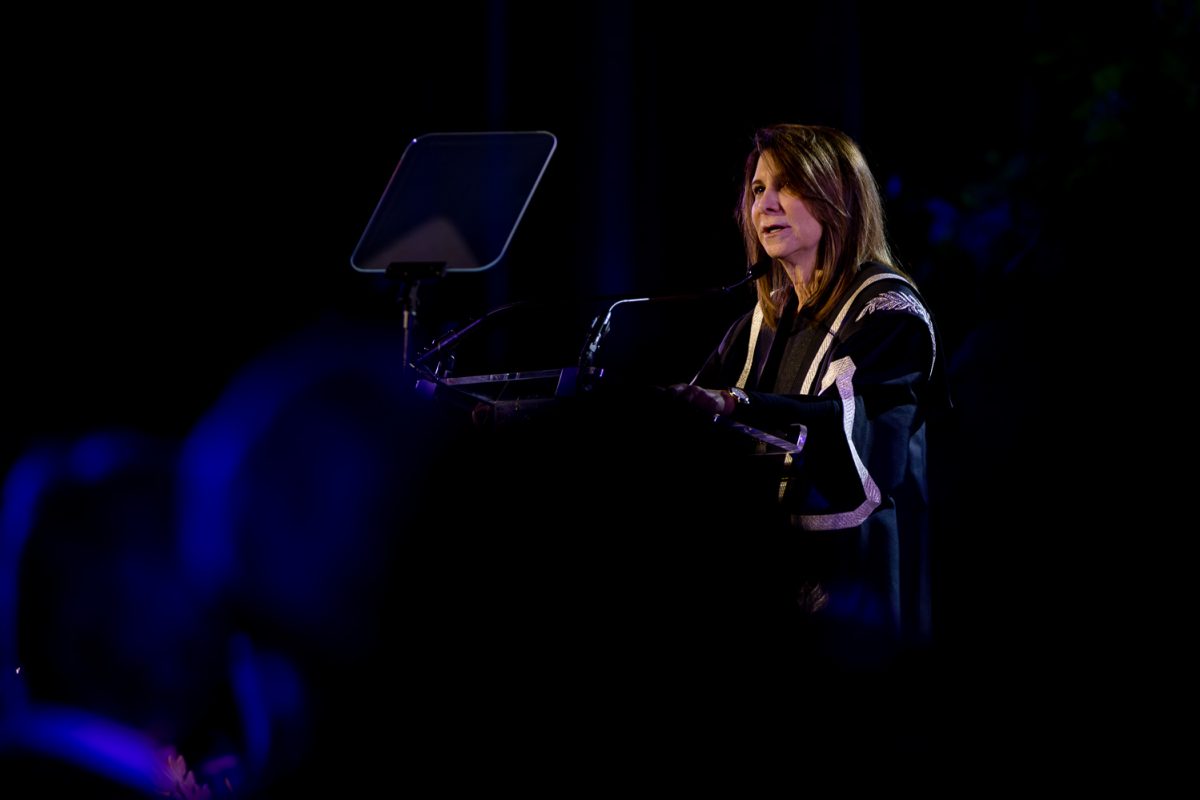
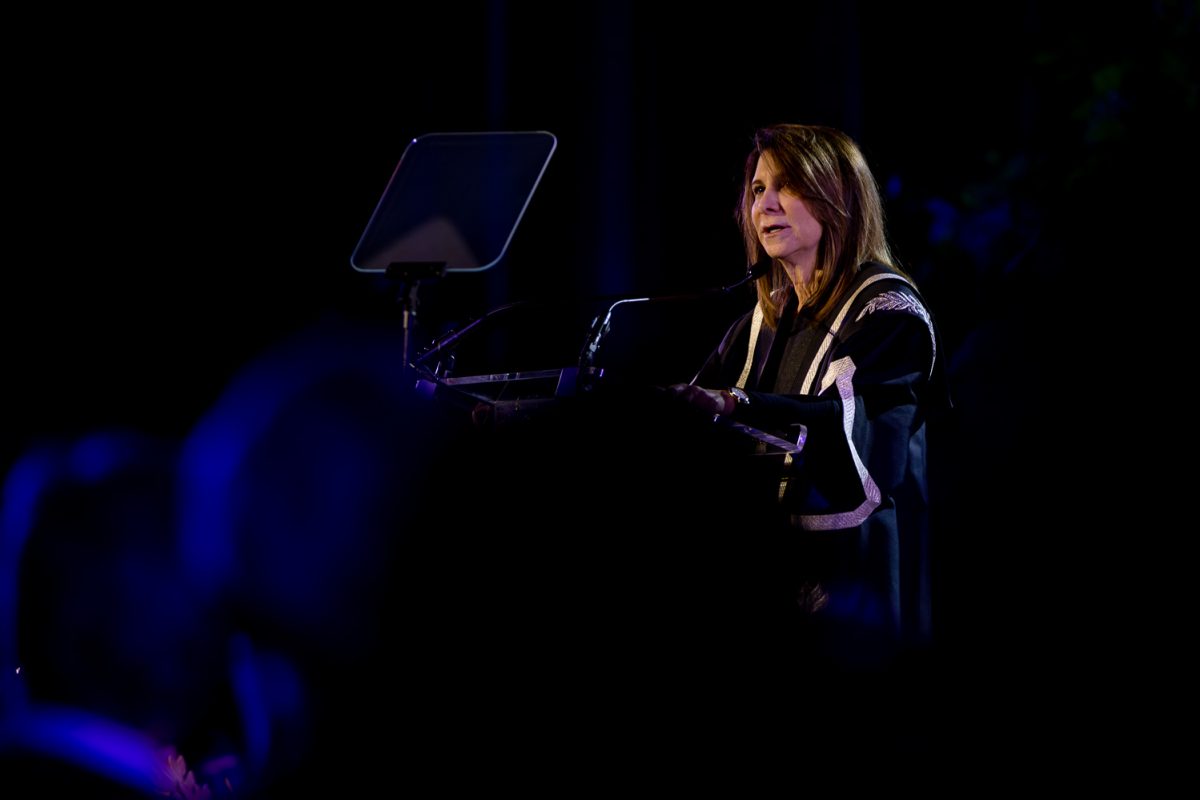
“Jews make up just 10% of our population, but last year, they were the victim of over 60% of all reported hate crimes,” Menin said during a press conference at the Museum of Jewish Heritage. “We are going to use every single tool at our disposal to ensure New Yorkers can safely attend religious services.”
The bill concerning places of worship passed 44-5, a veto-proof majority that guarantees it will become law. However, council members were more hesitant of its school-centered counterpart, also known as Intro 175-B, which passed 30-19. The slimmer margin opens the door to a veto from Mamdani, whose allies — including the New York City Democratic Socialists of America and members of the council’s Progressive Caucus — have strongly opposed the bill.
The amended legislation has sparked fierce opposition from First Amendment advocacy groups, and progressive politicians — including the New York Civil Liberties Union, which hosted a rally on the steps of City Hall while council members voted on the legislation.
“The city council is voting on two bills that would give the NYPD free rein to establish no speech zones or so-called security perimeters outside thousands of houses of worship and educational facilities around the city,” NYCLU executive director Donna Lieberman said at the rally. “These bills are completely unnecessary.”
Council Member Harvey Epstein — who represents most of lower Manhattan, including Greenwich Village — supported the houses of worship bill but voted against similar restrictions for schools. Epstein has made frequent appearances at NYU protests, joining contract faculty on the picket line last month.
“We heard from students, university leadership and educators about Intro 175-B,” Epstein wrote in a statement last month. “Existing protocols and court agreements designate public safety officers and security guards as the first responders for addressing potential conflicts that may arise from protest activity on campuses.”
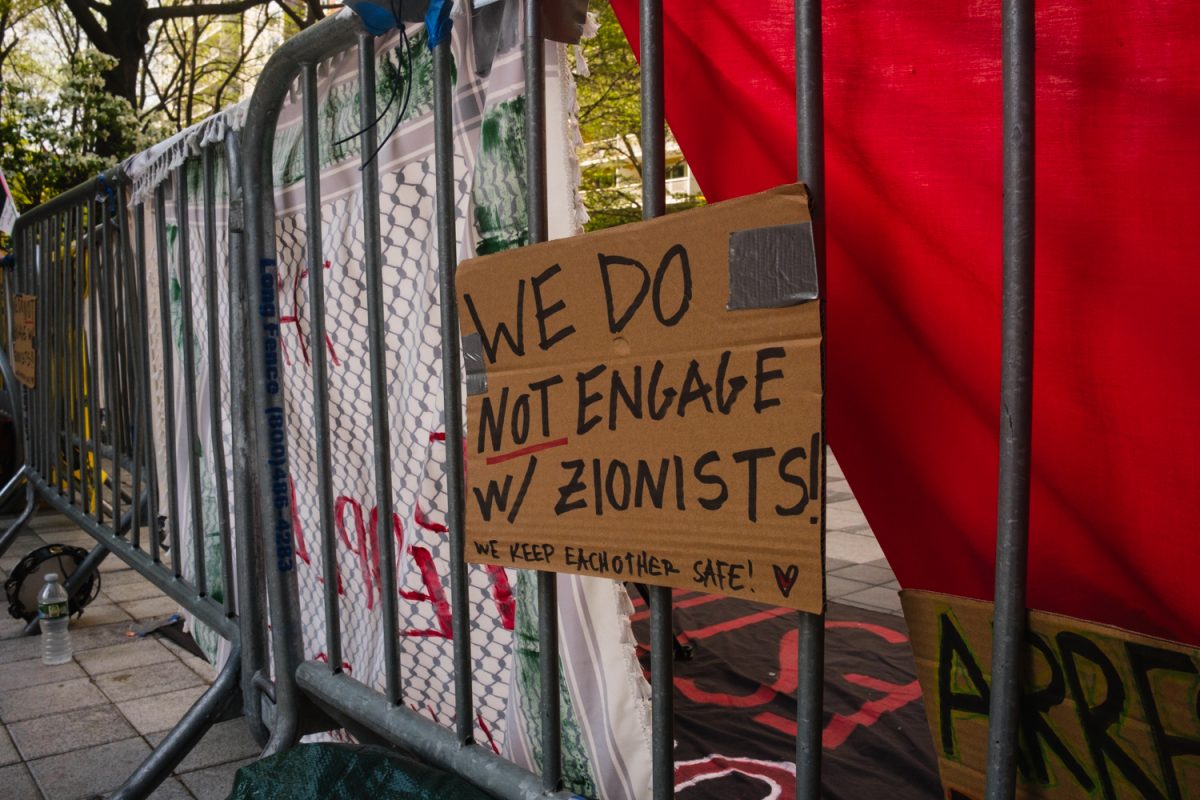
In April 2024, over 100 students, faculty and community members were arrested after administrators authorized an NYPD sweep of the Gaza Solidarity Encampments at Gould Plaza and in front of the Paulson Center. Since these protests, NYU has implemented their own barriers to campus spaces: including ongoing renovations to Gould Plaza, the revamped Kimmel staircase and the unexplained closure of the Paulson Center’s public atrium, which some students say have led to a decrease in student protest.
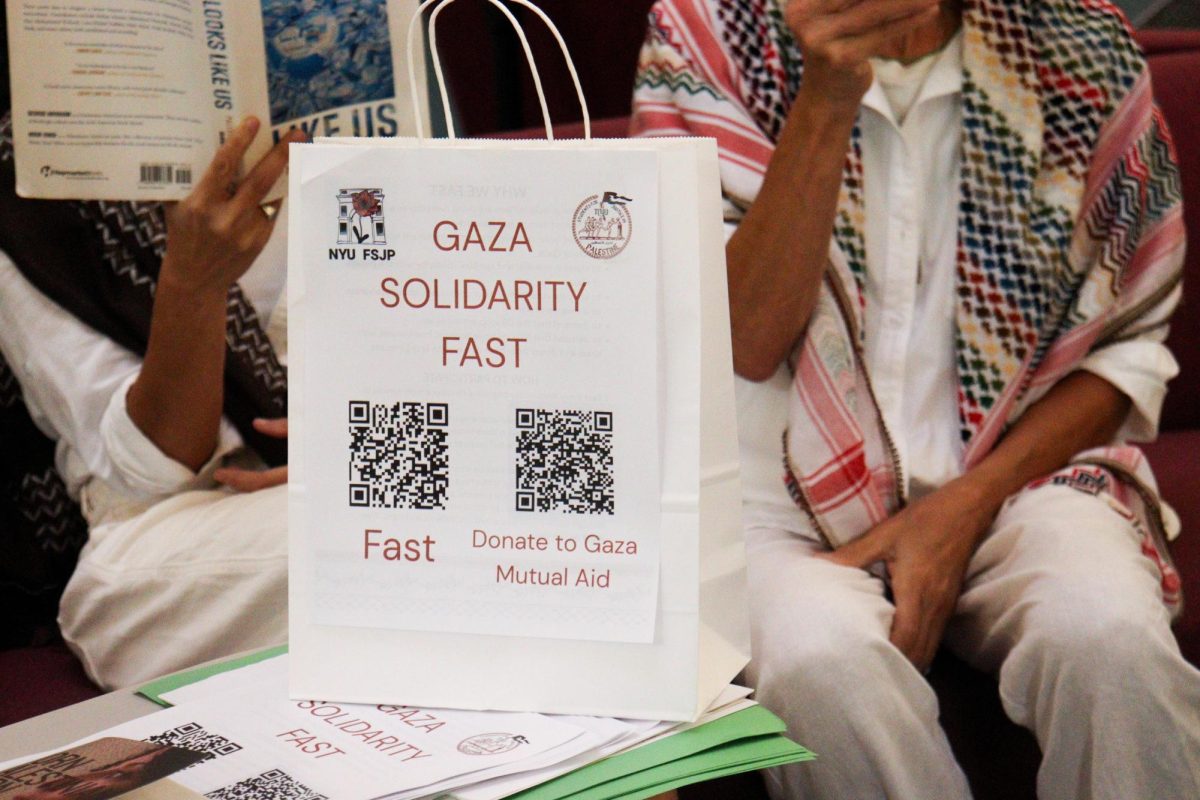
Students for a Democratic Society, a group Ahmed represents that frequently partakes in protests on campus and across the city, has joined a coalition opposing the legislation. The organization expressed concern that following university-authorized arrests of pro-Palestinian protestors and in the wake of the Trump administration’s crackdown on student speech, students are still on-edge about law enforcement near campus.
“It’s an issue specifically for international students,” Ahmed told WSN. “They’re worried about their visas getting revoked by attending a protest. It creates this sense of fear, of worry among students.”
Hochul had proposed similar legislation in January that would establish buffer zones outside houses of worship and health care facilities at the state level. However, the bill — which Hochul included in her executive budget proposal — was left out of state senate and assembly proposals.
Mamdani has yet to take a stance on the bill. When previously asked, a spokesperson for the mayor said he strives to protect “both the right to prayer and the right to protest.”
“We will continue fighting for our fundamental rights of free speech or democratic rights of protest,” Ahmed said. “If they get passed, they won’t stop us from continuing to protest about the issues that so many students care about deeply.”
Contact Alex Woodworth at [email protected].