





























Opinion: The price of complicity
Under the Arch
Opinion: The price of complicity
Students cannot ignore the homelessness crisis on the streets.
Jada Nakagawa, Illustration Editor | April 20, 2026

The streets surrounding NYU demonstrate the human cost of inequality. Along Broadway, people cocoon themselves in wet blankets and blue tarps, attempting to endure the New York winter. In Union Square, veterans use discarded furniture and cardboard boxes to shield themselves from the rain and the eyes of the public. Mothers clutching their children sit in the subway tunnels, begging for pocket change with plastic cups and cardboard signs.
These examples are not simply anecdotes; they reflect the harsh reality in New York. There are currently more than 350,000 homeless residents in the city, thousands of whom have no access to any shelter. At the doorstep of NYU, one of the most expensive universities in America, our neighbors sleep on the street.
Living in a city characterized by a crisis of inequality is deeply unsettling, particularly in a neighborhood of heavily concentrated wealth. Mundane, everyday routines confront you with the reality of your privilege and sting with the guilt of your inaction. Attending NYU means walking past those in need on your way to class, or apologizing whilst handing over a measly dollar. It means complaining about how expensive your iced matchas are, before turning the corner to see a woman with matted hair living underneath the scaffolding of an apartment complex, her arms covered in more scabs than skin.
We go about our days with the uneasy sense that there’s no real choice. The scale of poverty makes it unsustainable to fulfill the basic moral commitment of treating others how you would want to be treated if you were in their position. The tension between your ethics and your routine acts of complicity is ever-present.
Trying to maintain principles of kindness and empathy while performing acts of passive cruelty daily demands some level of cognitive dissonance. It feels like your actions are constantly conflicting with your values, but making them fully consistent is a choice between endless self-sacrifice and abandoning these values by excluding those who are suffering most.
This exclusion is incredibly pervasive, and alarmingly easy to engage with. The level of social isolation and material scarcity that homeless people are subject to can make interactions appear difficult, even dangerous. This is particularly pronounced here in the United States, where around 45% of homeless people experience mental illness and 33% struggle with substance abuse issues. Broad perceptions of homeless people as incompetent, unapproachable and personally responsible for their lack of adequate shelter absolve us from the moral responsibility to help them. We relieve ourselves of the guilt and stress the cognitive dissonance causes when we subliminally justify excluding them from humane treatment and basic necessities. In doing so, we strip homeless people of their humanity.
Dehumanization may be normalized, but it is ethically indefensible and materially destructive. When discrimination is accepted, it perpetuates deprivation by denying vulnerable people the social connection and material aid they desperately require. New York City’s homelessness crisis is one of the country’s most severe, largely driven by institutional neglect, inadequate social safety nets, and a staggering affordability crisis.
The desire to ignore this suffering is natural, but that does not make it acceptable. It is not a moral failure to feel guilty or overwhelmed, but it is our responsibility to change behaviors where we can rather than perpetuating dehumanizing narratives or mentally distancing ourselves from our environment. Homelessness is not an inevitable tragedy, but a solvable material condition. We have the power to address it if we pursue both personal acts of charity and persistent structural improvements.
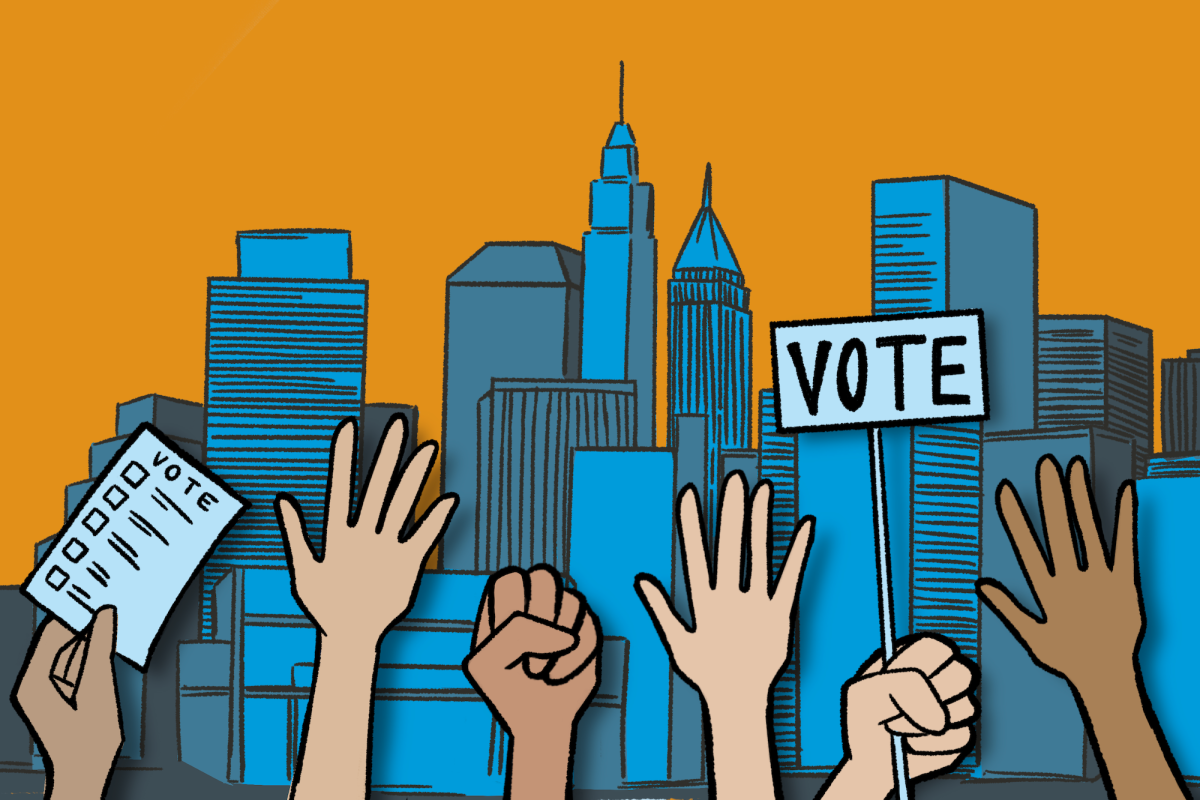
By helping when we can, through organizations or daily interactions, we alleviate some of the immediate suffering. New York City is filled with donation and volunteer opportunities right around NYU, at places like St. Joe’s Soup Kitchen, The Bowery Mission, and Welcome Table Soup Kitchen. Long-term solutions require us to support policies that redistribute resources and subsidize necessities such as housing and food. Political participation is key to building stronger infrastructure and supporting these vulnerable populations. Ahead of the June primaries and November election, we should turn to the city’s growing number of candidates whose housing and affordability priorities align with tenant unions and the Working Families Party.
It is impossible to avoid all dissonance between our morals and daily routines, but complete consistency is unimportant in building meaningful change. Ending the homelessness crisis that plagues our community doesn’t require perfect people, but a consistent prioritization of humane actions and real structural solutions.
Contact Jada Nakagawa at [email protected].

Jada Nakagawa is a junior majoring in politics and minoring in intertactive media arts. She has been increasingly interested in design and journalism,...