























‘You got porn!’
Under the Arch
‘You got porn!’
Erotic literature is more than just a punchline.
Nghi Nguyen, Deputy Magazine Editor | March 2, 2026
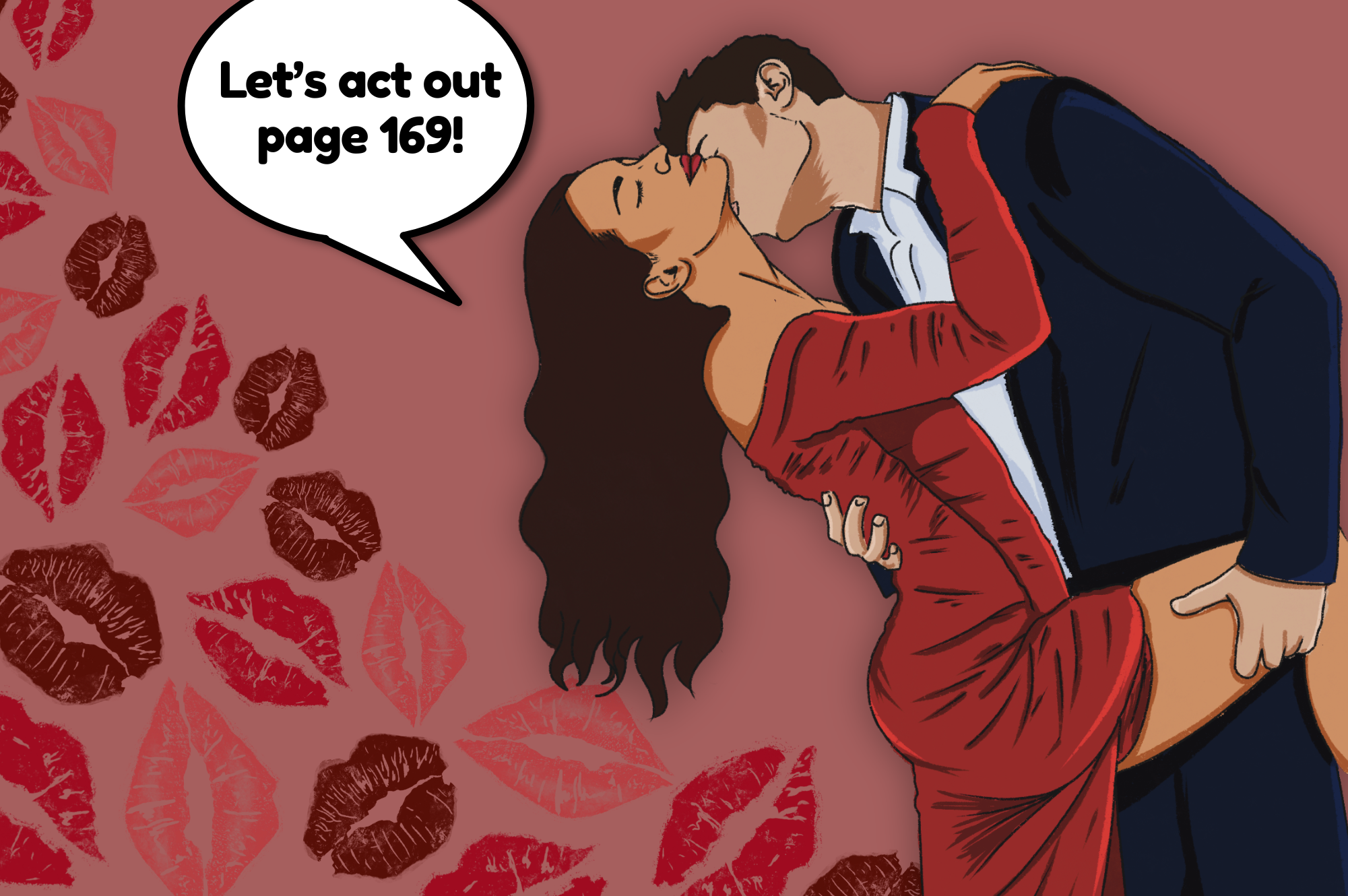
Season seven, episode two of “Friends:” Joey finds a not-so-work-friendly book buried in Rachel’s bed and mocks her for it, shouting “You got porn.” Fittingly named “The One with Rachel’s Book,” the episode recycles empty jokes about her erotic pastime with punchlines that reek of misogyny. On several occasions, the men of the show openly engage with porn — it’s seen as acceptable, even respectable, in their hands. But somehow, erotic content devolves into a joke when a woman engages with it. “Friends” isn’t an exact reflection of how society responds to erotic literature today, but has much really changed?
Erotic literature, commonly referred to as erotica, has been stigmatized since its inception and survives all the same. Estimates as to when and where it originated vary, with the oldest known evidence being Sumerian love poems from 2000 B.C. and Egyptian papyri depicting sexual postures. During the Victorian era, however, a period of distaste led by puritanical beliefs began, and erotica was shunned into a state of taboo — one it has yet to fully escape from.
Imagine this: You’re on a crowded subway train and your eye catches a book sticking out of someone’s bag. Its spine rears out just enough for you to read the title, “Fifty Shades of Grey.” Now, how do you feel about this person? How would you feel if it were your co-worker? Your neighbor? Your parent? And why did you imagine a woman?
Despite dating back generations, erotica is still dismissed as low-brow literature, and the women who engage with it — especially those who pursue the genre openly — are often faced with unfounded judgement.
A stark line divides how we judge sexual media, particularly within literary culture. It distorts our perception of good literature and generates barriers to what we view as real reading. When women read, write and engage in erotica, society strips them of their intellect and flattens them into caricatures. These bitter stereotypes circulate social media in droves and do nothing more than police books and antagonize authors. Erotica writers like Penelope Douglas and Ana Huang are singled out, their work used to exclude and demean readers.
We are so quick to demoralize sexual expression when it doesn’t cater to the pleasure of men — as if desire is only granted legitimacy when serving a male gaze. This tendency is less a matter of taste and more so a reflection of how patriarchal structures still dominate literature to control a largely female readership, and how they continue to shape our perception of cultural literacy.
Erotica is obscene. It’s indulgent. It’s completely inappropriate for work. But at the end of the day, reading is still reading. A book shouldn’t be deemed illegitimate reading simply because it contains erotica, and it definitely shouldn’t be used as a punchline in a sitcom. This inherent disgust toward women who read for pleasure is deeply rooted in misogyny and altogether unnecessary. Women go through enough without society also questioning their choices in literature. Here’s the real question: Why not just let people enjoy what they enjoy?
Contact Nghi Nguyen at [email protected].

Nghi Nguyen is a junior studying drama with minors in the business of entertainment, media and technology and public policy and management. She spreads...