



















A discipline in decline
Under the Arch
A discipline in decline
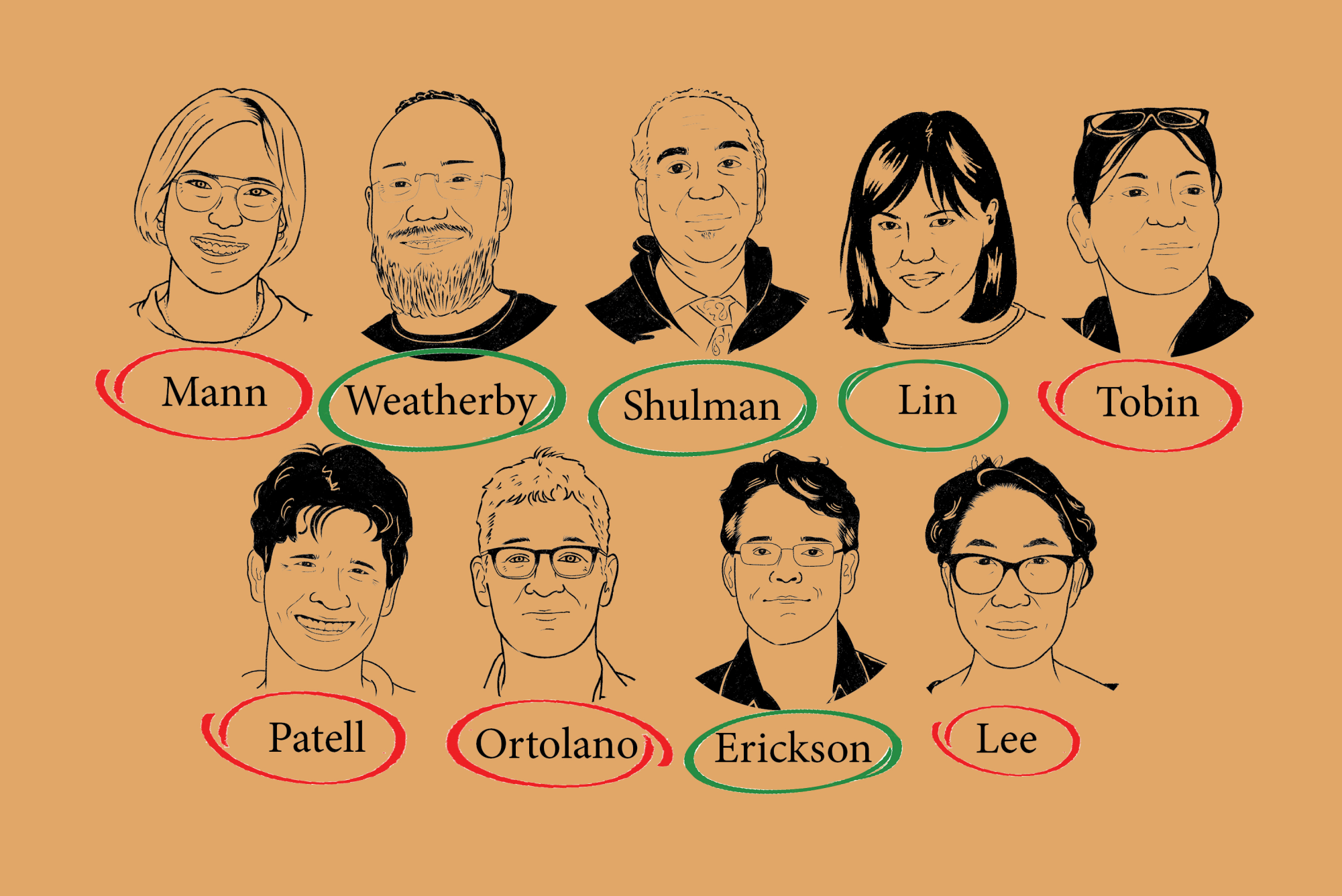
WSN spoke to 11 professors from across the humanities about the present and future of their field.
John Bush, Deputy Magazine Editor | March 2, 2025
Illustrations by Suditi Sircar
Throughout their histories, higher education have built social ideals — shaping the narrative of what a preeminent education system ought to be. At many of America’s elite universities, administrators found their answer in the liberal arts system — coupling high-minded values like intellectual vitality and social responsibility, while placing humanities at its core, liberal arts colleges became the most prominent and prestigious form of education in the world. More recently, however, those longstanding ideals face new pressures: Student priorities prioritize career trajectory now more than ever and average attention spans have significantly decreased.
In interviews with WSN, 11 professors from different backgrounds outlined the changes taking place in their classrooms and where the university will go from here.
Interviews have been edited for length and clarity.
Have you noticed incoming students less prepared for the workload?
While all professors acknowledged some literacy lost, a few have not seen the effects manifest in their classrooms.

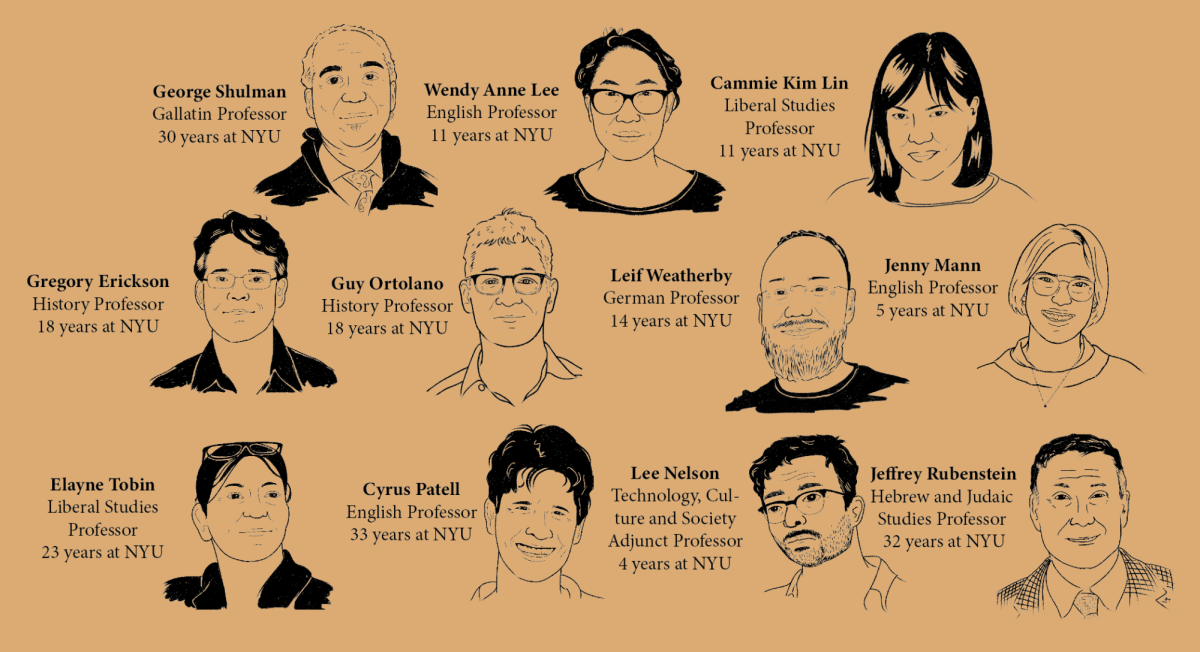
“Young people are entering the college classroom with a lot less experience reading whole books and with different kinds of attention spans.” — Lee

“I don’t find their ability, you know, their reading, literacy levels, concentration, any of that stuff, I have not found it has declined at all.” — Erickson
Have you had to reduce the amount of reading you assign in a class?
Although syllabi change year to year, most professors said they have slightly decreased the amount of reading in their classes.

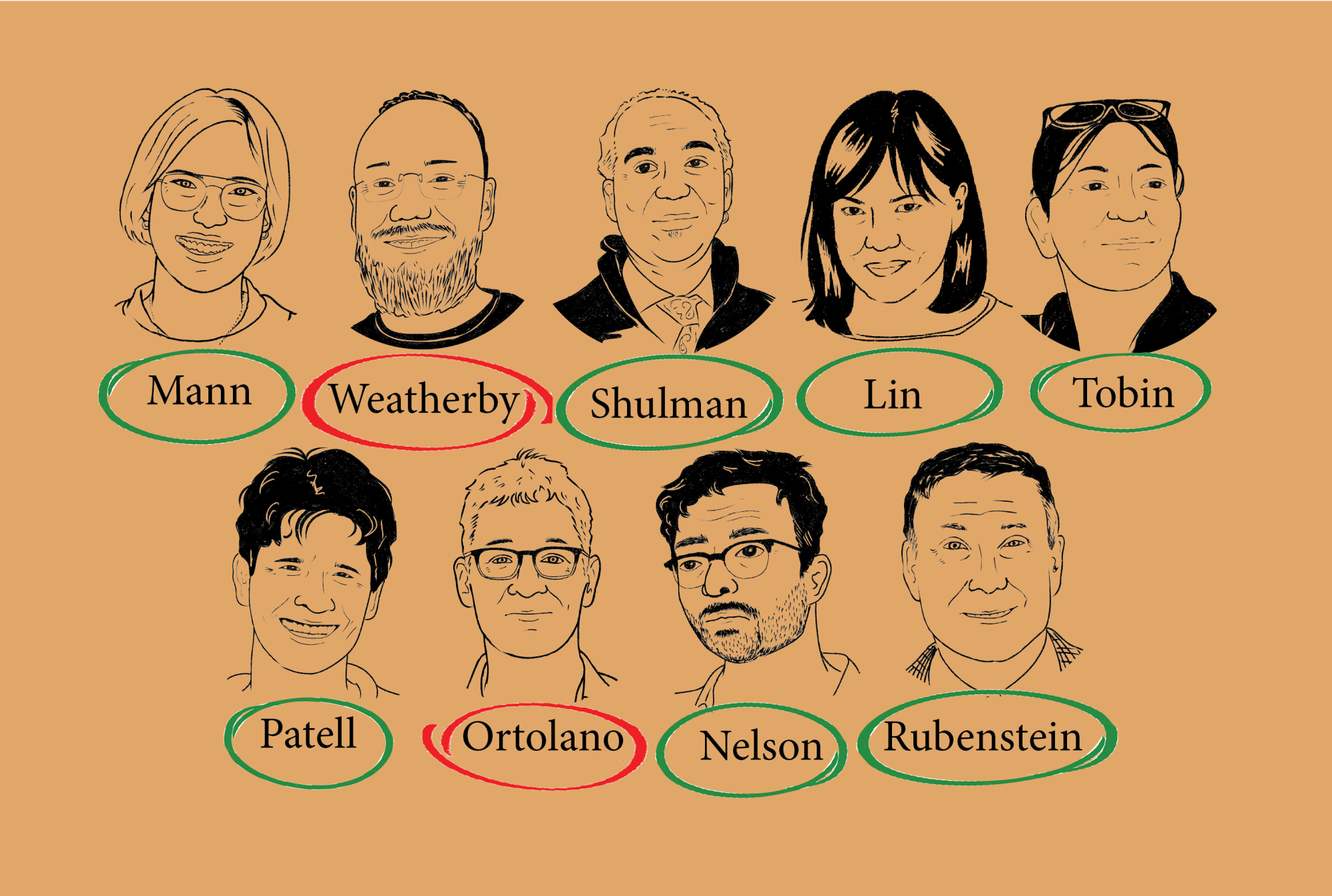
“I’ve scaled back a bit — not in intensity, but in page numbers — because I realized they’re bombarded with 8,000 different things a day.” — Tobin

“I’ve gone up … reading historical texts, from the past in particular, requires you think your way into somebody else’s perspective.”
— Ortolano
Are you concerned about the future of the humanities?
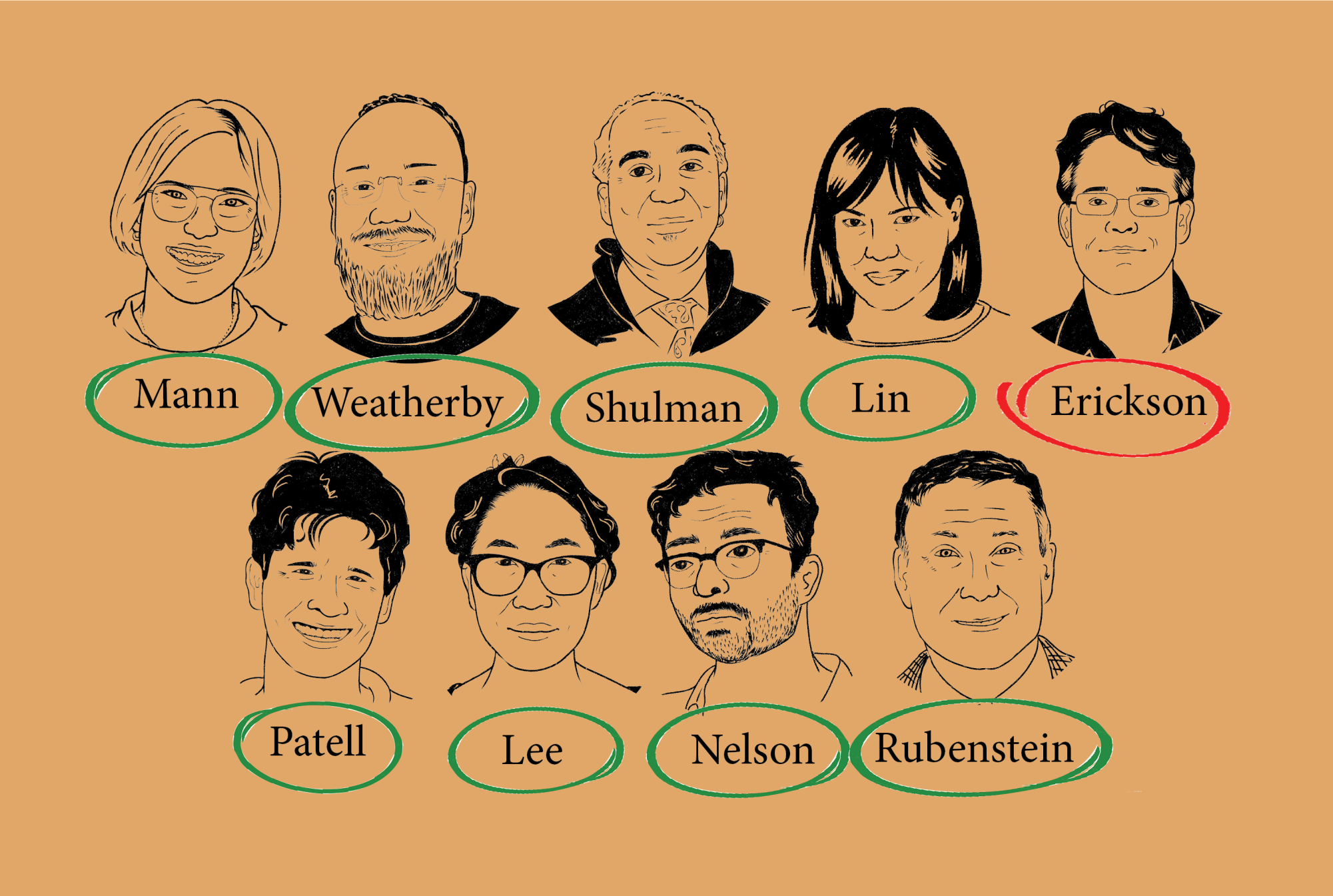
The degree of concern among professors varied, however most agreed there is no need to panic.

“It’s hard to predict if interest and enrollments in the humanities will come back, or whether it is just a kind of decline that’ll get more precipitous. So I don’t know exactly what the future holds.” — Rubenstein
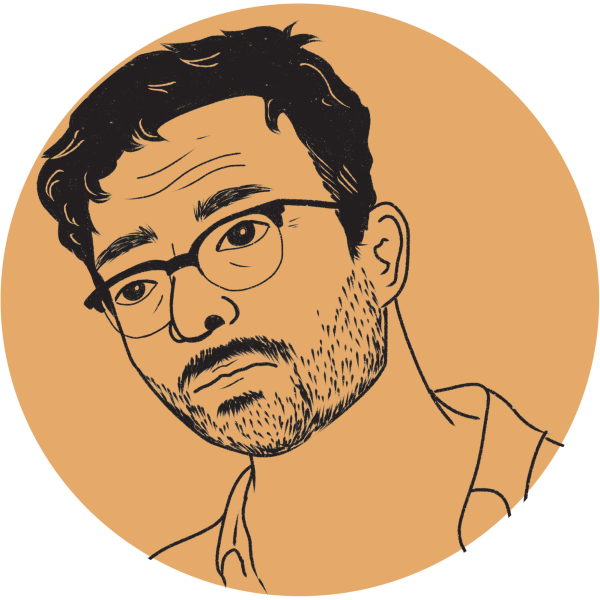
“It’s important for us to not think so little of our students’ abilities, just because they’re not used to reading 30 pages a week doesn’t mean that they can’t get used to it.” — Nelson
How has your classroom been impacted?

“When we speak about language acquisition, the skills we’re talking about are reading, comprehension and critical thinking. I’ve been at NYU since 1993 and in that time span, both of those sets of skills have deteriorated a little bit from our incoming students.” — Patell

“Nobody quite knows what’s reasonable anymore, in part because skills in reading have atrophied at the high school level … Now I’m asking students: ‘How are you going to approach this reading task? How do you set aside time? What do you do to ensure your focus? Have you considered reading a paper book?’” — Mann
“I see students coming in less prepared in terms of their general knowledge, and the texts that they’ve read.” — Rubenstein
Should we fear artificial intelligence?
When asked if artificial intelligence threatened replacing the humanities, every single professor said no.
“Every time there’s a new technology, people panic — it goes back to the printing press … I think there are some dangers, there always is when you start replacing your own thoughts with something technical.” — Erickson
“It’s only going to become of greater demand if AI results in a certain kind of learning loss in terms of literacy. The ability to read complex things, to have high level literacy, is going to be of even greater premium right in the economy in the future.” — Mann
“My students are sick of AI, they don’t even like to talk about it. And the university is like, ‘Well, the horse is out of the barn.’” — Tobin
Should we digitize the humanities?
The debate about modernizing a decades old discipline was referenced in every interview. Weatherby, NYU’s Digital Theory Lab founder, and Shulman had different perspectives on how to best adapt the humanities to the digital age.
 “The Digital Theory Lab is a bunch of humanities people who started in about 2018 asking ‘What are neural nets? What is machine learning? How can we understand this AI stuff?’ Which at the time was not a popular thing to do … The humanities is definitely threatened, but it’s also in a phase where it has to transform. Culture has changed significantly, not only because people aren’t reading as much, but we live in a really different society than we did a hundred years ago or 30 years ago. So we have to change.” — Weatherby
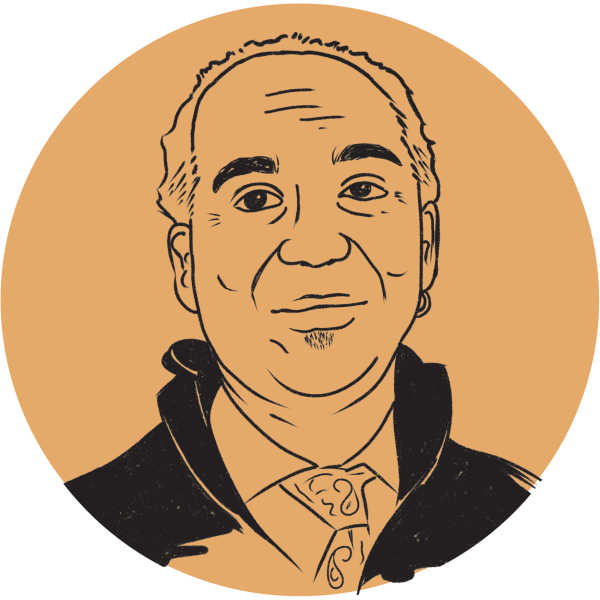 “I know there are people who talk about digital humanities and try to dress it up in something that will feel quote unquote ‘relevant’ … The whole university system has been reorganized as a consumer economy. There’s the question of consumer satisfaction. If we’re not selling to the consumer, we’re doing something wrong. It’s just the wrong model, but it’s not like faculty have control over that — donors in boards of trustees and administrators and all those folks do.” — Shulman
Is NYU cutting programs?
“NYU has been phenomenal in trying to maintain a robust humanities faculty and course offerings. There are some other universities I know of that have kind of cut back and reduced faculties in humanities departments as they’ve been teaching less students. So far, I believe NYU has not done this.” — Rubenstein
“It is happening … The enrollments are surely dropping in the humanities, that’s a fact. They’re starting to cut back graduate admissions. The whole sense of the role of the humanities is shrinking.” — Shulman
“We’ve seen cuts happen to other humanities programs where there is no financial justification so it’s just a sense of, ‘this isn’t useful at an ROI level, just a qualitative level.’” — Weatherby
“Administrators around the country overestimate the extent to which students are not interested in the humanities. There are places that have cut back on their programs when students would want to take these courses … This is part of the general anti-intellectual trend that various entities have taken towards universities, because they understand that humanities is where critical thinking happens. If there’s going to be resistance to various kinds of ideas, it’s going to come into humanities courses.” — Patell
What is lost?
“We risk not understanding histories, religions and ethics — these things that are more complicated than people want them to be. Without that education, people tend to simplify them.” — Erickson
“The reading crisis is a prophecy for a knowledge crisis or a feeling that something really deep is shifting in the way that we make sense of history, culture, science and technology that we live with all the time.” — Weatherby
Is student selection a solution?
Lin and Ortolano lead book clubs where students get a say in the works they read.
 “This year in particular, I’ve been so struck by the deep interest in reading books in print. It’s really inspiring to me, and makes me want to push back against this narrative that Gen Z doesn’t like to read.” — Lin
Where do we go from here?
“Students want to be present in the classroom. They want to learn. They want to engage with their faculty. And that, to me, is a hugely positive indication of what’s possible in the classroom.” — Mann
“The answer to me is smaller classes and not seeing the classroom as a place that is a constant potential failure site, but rather, a site that’s potentially always a growth area … For students, your job is to not be cynical. Your job is to be curious, inventive, creative and thoughtful, to the extent that you can be.” — Tobin
“We need to think a little bit more creatively about how what seem like separate disciplines and separate programs actually go together, so you end up with a coherent college education without stipulating that everybody has to do the same thing in lockstep.” — Patell
“If you believe that the technology that we are developing right now is going to throw the job market into chaos, that unexpected externalities are coming because of the way that we’ve automated knowledge and language, then you need base skills in order to be flexible … You need to actually have a cultural awareness of those technologies, economies and the global infrastructures that are around them, and you can’t have that without language, history and literature.” — Weatherby
Contact John Bush at [email protected].

John Bush is a first-year majoring in Global Liberal Studies and psychology. If he’s not locked away in the WSN headquarters, he’s probably haunting...