




































Eating for gains
Under the Arch
Eating for gains
The rise of the protein craze and how it turned consumption into a numbers game.
Dylan Henschen, Food Editor | December 8, 2025
In the late ’90s, the low-fat craze took off, encouraging people to restrict their fat intake as much as possible. By the mid-to-late 2010s, the ketogenic diet — commonly known as keto — turned carbohydrates into the culprit of fat gain and encouraged dieters to consume as few carbs as possible. While these diets have since been debunked or deemed risky, the latest installment of trendy eating does not restrict, but rather emphasizes the intake of the most satiating macronutrient: protein.
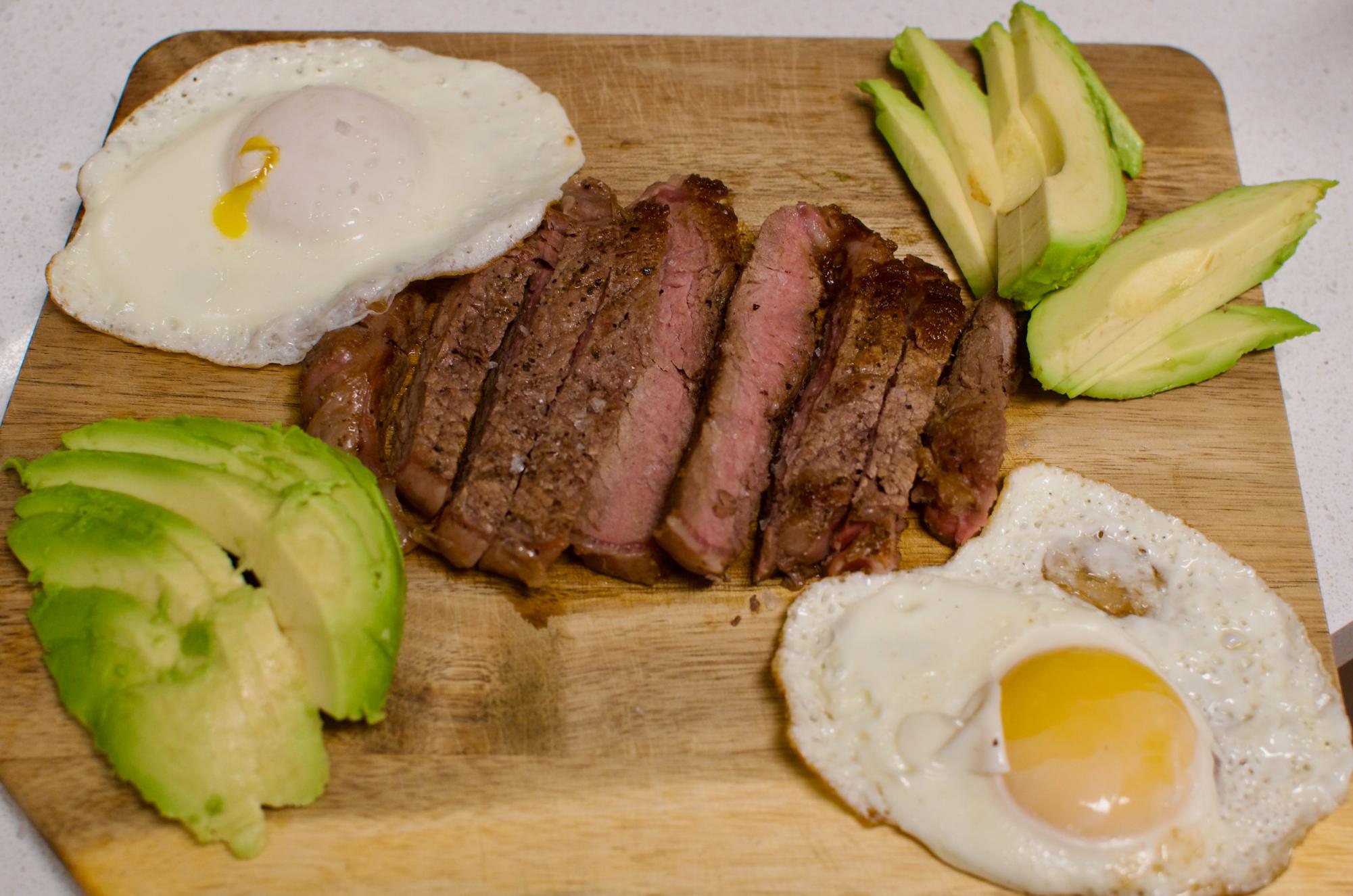
Whether you’re trying to maximize your cellular function or gains at the gym, the rules of this diet craze are simple — consume as much protein as possible through whatever means possible. Grown men and teenagers alike have taken to social media showing off their wooden cutting boards loaded with lean cuts of medium-rare steak, fried eggs and sliced avocado, boasting their consumption of a whopping 110 grams of protein in one sitting.
This diet trend boomed late last year and continues to gain traction, in part due to the rise of gym culture and trends praising masculinity. Many people were also more open to the idea of eating more protein because, unlike its fellow macronutrients, fats and carbs, protein has yet to be vilified by diet culture, which recommends consuming more protein to promote weight loss.
When Tisch sophomore Ulysses Bravo started focusing on his protein consumption and made it a critical part of his diet — often through eating meat and drinking protein shakes — he noticed a clear increase in muscle mass within the weight he gained.
“I started really focusing on protein at the start of the year, because that’s when I started working out,” Bravo said. “There’s a very big relationship between protein and muscle gain and I want the percentage of protein that I eat to be the majority of what I eat.”

Proponents of this diet encourage participants to consume over 100 grams of protein, with some recommending that people consume one gram of protein per pound of weight. With most lean meats boasting roughly 25 grams of protein, protein shakes containing an average of 20 to 30 grams and even protein lattes having up to 36 grams, personal trainer and CAS senior Jeremy Deacon finds it easy to meet these encouraged goals.
“I’m not at all a picky eater, so I’ll eat anything and everything, but getting quality protein without wasting too many empty calories should be your target goal,” Deacon said. “For me, that looks like eating as much lean meat as I can, whether it’s red meat or poultry, doesn’t really matter to me.”
Like other popular diet trends, which often gain traction for their extremity, high-protein eating is relatively unforgiving. In addition to working around her gluten and dairy intolerances, GPH master’s student Nehanda Akili opts for plant-based foods like soy and edamame to satisfy her protein consumption.
“It’s hard when you have a lot of dietary restrictions to meet protein goals while also not meeting those dietary restrictions,” Akili said. “It’s hard to do without just eating chicken and rice every day.”
The average adult is recommended to consume about 0.36 grams of protein per pound of body weight daily, with researchers from the University of Missouri School of Medicine reporting that consuming protein in excess of the daily recommended amount can result in adverse cardiovascular and metabolic effects.
To keep track of their intake, many consumers use food scales or nutrition apps like MyFitnessPal to count their calories and macronutrients down to the exact gram. But this obsessive tracking introduces a dangerous aspect of diet culture, fixating consumers on meeting rigorous diet metrics rather than listening to their bodies. To avoid corrupting their dietary regimens, some high-protein consumers prefer keeping a mental log instead of using apps.
“There was an eight-month period when I tracked it with an app, but for my lifestyle and with how much I love eating, sometimes tracking gets in the way of that love,” Deacon said. “I feel like over the years, and through my studies of diet and nutrition, I’ve built an understanding where I could have a somewhat accurate estimate in my mind.”
In moderation, eating more protein can increase muscle mass in conjunction with workouts and potentially help consumers feel healthier overall — but it also can implicitly encourage consumers to replace foods with other necessary nutrients, like fiber, with an excess of protein. At the same time, high-protein enthusiasts have gone as far as painting themselves as dietary pariahs.
“It’s definitely a fad, to me,” Akili said. “I don’t 100% believe that a little 5’1 girl needs to be eating 100 grams of protein per day. It doesn’t make any sense to me evolutionarily and scientifically. I don’t think there are enough long-term longitudinal studies that have been enacted in order for me to say I believe in this. But, anecdotally, I would say that it does make a difference.”
Maximizing protein is seen by many as just another fad diet cycling through the revolving door of trendy eating habits. But to others, eating an abundance of protein is an essential facet of their lifestyle. With protein offering a longer-lasting feeling of fullness and increased muscle repair, Deacon believes it to be the nutritional ticket to success.
“If you’re eating the most protein that you can, you’re actually doing yourself a favor in terms of overall energy,” Deacon said. “It’s so necessary for so many functions in the body and, of course, the repair of muscle.”
Contact Dylan Henschen at dhenschen@nyunews.com.

Dylan Henschen is a junior studying media, culture, and communication at Steinhardt. When he’s not in the newsroom, he can be found baking delicious...

Alex Woodworth is a sophomore studying public policy and economics. When not taking photos, you can find him at a Yankees game, searching for the best...