




























Opinion: When self-care becomes luxury, it stops being care
Under the Arch
Opinion: When self-care becomes luxury, it stops being care
In a city where peace of mind is billed by the hour, wellness has turned into an aesthetic most students can’t afford.
Jerica Perfecto, Contributing Writer | December 8, 2025
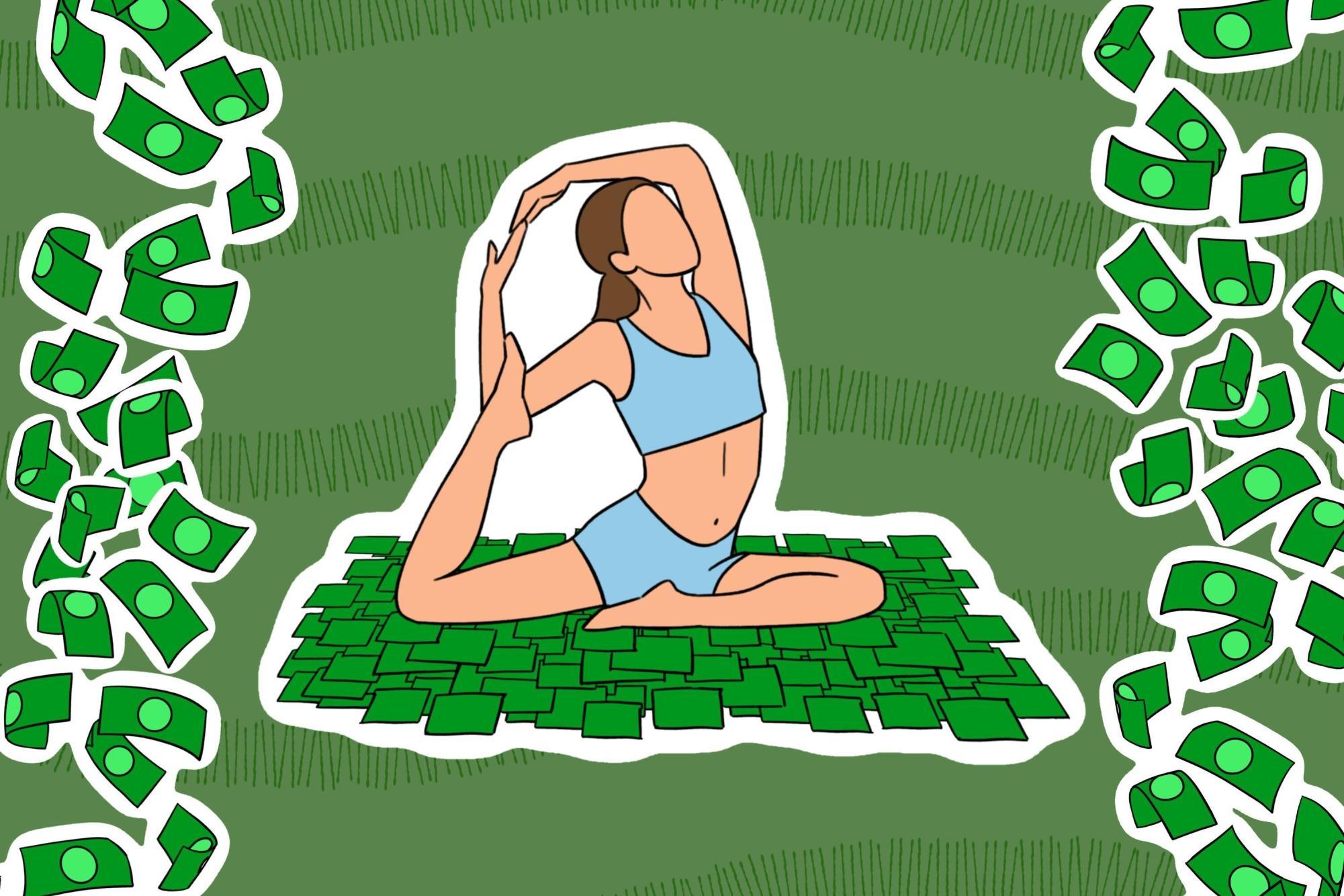
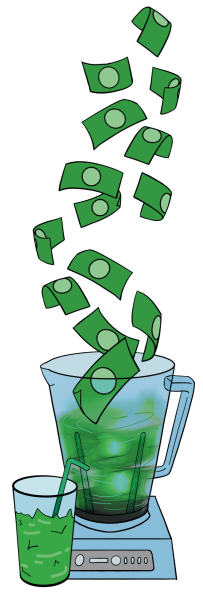
Last week, I paid $13 for a smoothie that promised to detox my body. Standing beneath the bright glow of an overpriced juice shop, surrounded by people dressed in workout sets that could probably cover my meal plan, I sipped my green smoothie and tried to convince myself it was doing more than just hydrating me. After that first sip, I took out my phone and began scrolling through yet another it girl morning routine. Then it hit me — maybe self-care isn’t actually care anymore. Maybe it’s just one more aspect of life that’s fallen victim to capitalism.
In New York City, wellness has become its own luxury brand. Therapy in New York averages around $220 per session, and between $30 yoga classes, members-only meditation studios and endless overpriced organic cafes on every block, healing feels less like a personal journey and more like an exclusive club you have to buy your way into. This lucrative economy is currently valued at over $6 trillion globally. Somewhere along the way, wellness started being marketed as a lifestyle, an aesthetic and a status symbol. The more you spend, the more well you seem and the more you fit in with other wellness champions.
The success of the wellness industry thrives on exclusivity. Many of its spaces, from pilates studios to meditation classes, are promoted with an affluent demographic in mind. And, research shows that wellness advertising overwhelmingly features thin, white women, reinforcing unrealistic standards. On social media, pilates and other fitness patrons perpetuate this narrative, gatekeeping these practices from people who don’t fit their image of wellness. The locations of these recreational places also impede inclusivity as fitness and wellness studios are heavily concentrated in higher-income areas.
For NYU students, it’s easy to get caught up in the illusion that proper self-care comes with a price. In a wellness culture dominated by a narrow demographic it often feels like there’s only one acceptable way to look healthy. Living in a city that glorifies the hustle, we’re willing to invest in rest and conforming — a nonfat honey lavender latte, a reformer class and a $20 facemask that promises renewal.
But there’s something deeply ironic about it all. The culture surrounding wellness puts an emphasis on slowing down, yet it feeds into a profit-driven consumer cycle that drains our wallets and, in some cases, chips away at our self-esteem. When wellness is built around who can afford it and who fits the aesthetic, it stops being care and becomes a performance. It becomes a way to prove to everyone — and sometimes yourself — that you’re thriving, even when you’re not.
The wellness industry needs to be more accessible. Those who could benefit the most from self-care are often the ones who can’t afford it. Community recreational centers, lower-cost fitness classes and accessible mental health services are often overshadowed by trendier options.
Even NYU’s own wellness resources can also feel out of reach: limited appointment slots, long wait times or not enough promotion of inclusive spaces on campus. The American Psychological Association found that young adults have some of the highest levels of stress in the country, with many describing themselves as completely overwhelmed by school or financial pressure. Yet instead of investing in accessible care, we’re told to journal in a cafe or spend $90 on a fitness membership.
I’m not saying we all need to give up our fun drinks or stop treating ourselves to pricey yoga classes. But maybe we should start asking why we feel like we need these things to feel OK. Maybe the answer to feeling better isn’t in a $13 smoothie and won’t come from a pilates instructor, but rather arrives when we realize that we can take care of ourselves without needing to earn it, adhere to a certain crowd or pay a hefty price.
Contact Jerica Perfecto at [email protected].
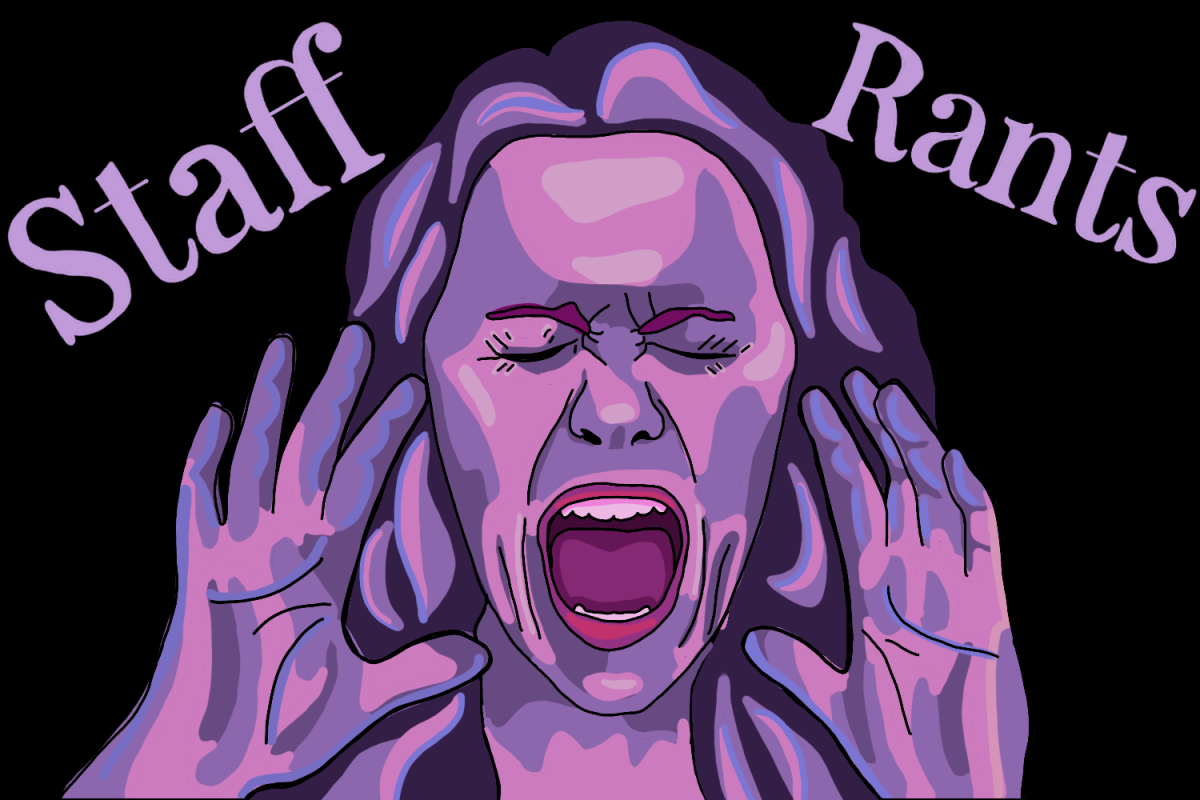
Allina Xiao is a junior studying computer science at CAS. When she's not creating art for her Instagram @xxallinaxart, she can be found enjoying her fifth...