






















Two days ago, City Council District 3 — covering Chelsea, Hell’s Kitchen, Greenwich Village, West Village, Hudson Square, the Garment District and parts of Times Square — held a special election to replace former Council member Erik Bottcher as he became a New York State senator.
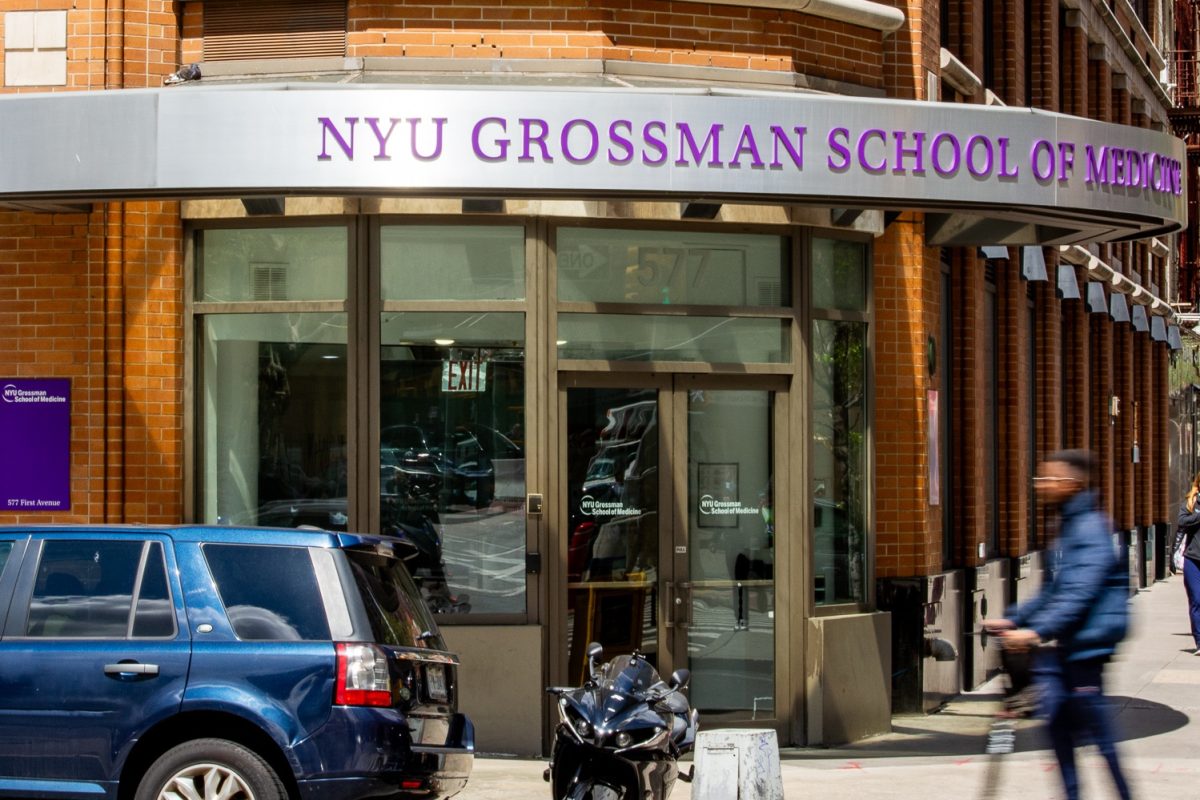
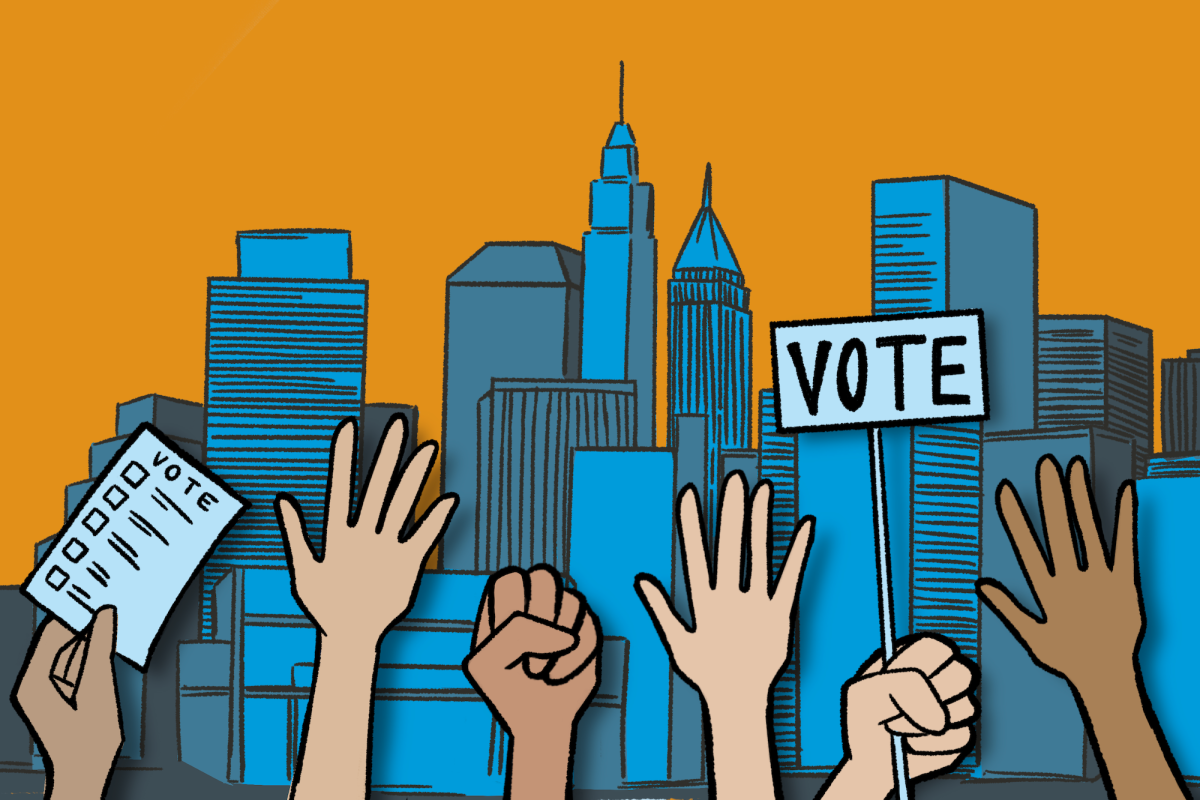
Although a 2021 poll showed that 61% of college students planned to reside close to their alma maters after graduating, it’s often tempting to stay registered in your home state, disconnected from local politics. College, with its distinct deadline, can feel temporary and detached from its surroundings at times. But four years of attending NYU means four years of paying taxes, using public transit, walking the streets as a pedestrian and being subjected to the same policing, housing costs and public health decisions as those who have lived and worked here for decades. Students are residents, not tourists. And as a resident, you shouldn’t be afraid of voicing your opinions or casting your vote in local elections.
NYU students have the potential to be a massive electoral force. In general state assembly races, total votes can range from 22,000 to 78,000 total votes cast, with some candidates winning the seat with less than 20,000 of those votes. This February, Keith Powers won the 74th Assembly District with only 3,953 votes, earning 82% of the total votes in a special election. In comparison, NYU has an undergraduate population of 29,471. Even when accounting for its large population of international students, it still leaves around 23,000 domestic undergraduates. In 2024, turnout among voters under 30 was exceptionally low at only 3.7% in April primaries and around 5% in June. A coordinated effort made by even a fraction of our university’s student body could swing multiple elections at both the city and state level — in fact, this was exactly what happened in Mayor Zohran Mamdani’s historic election last year. Last year, young voters turned out at unprecedented rates, with voters aged 18 to 29 having the highest turnout out of any age group at 35.2%.
It’s also crucial that young people get involved in local politics for the sake of their futures. Most of us did not have the foresight to buy a house in New York City for a nickel and three apples in the ‘60s, which means that we are the ones who will feel the consequences of zoning laws that affect housing density, tenant protections, public transit or student debt-relief the most. Although it’s tempting to get solely wrapped up in the latest news on the Strait of Hormuz or other White House shenanigans, Congress does not determine how New York City should handle rental rates rising by 6.6% in one year — the City Council members and State Assemblymen who won “easily” by convincing less than 4,000 registered voters to go out to the polls do.
Younger voters can also drive certain initiatives that older voters cannot. For example, a student who regularly uses platforms like ChatGPT or Instagram has a lot more skin in the game in whether the government chooses to impose privacy or anti-addiction regulations than an older voter who may have never used them. Not to mention, issues like sustainability and climate change should be spearheaded by those who will be alive to feel its worst effects. The sheer number of people that New York houses causes the state to consume more fossil fuels in residential and commercial buildings than any other state in the country. Although New York state is a driver of anti-climate change initiatives, emitting less greenhouse gases per capita than a majority of the country, it’s imperative that this trend continues — and even amplifies — in the future.
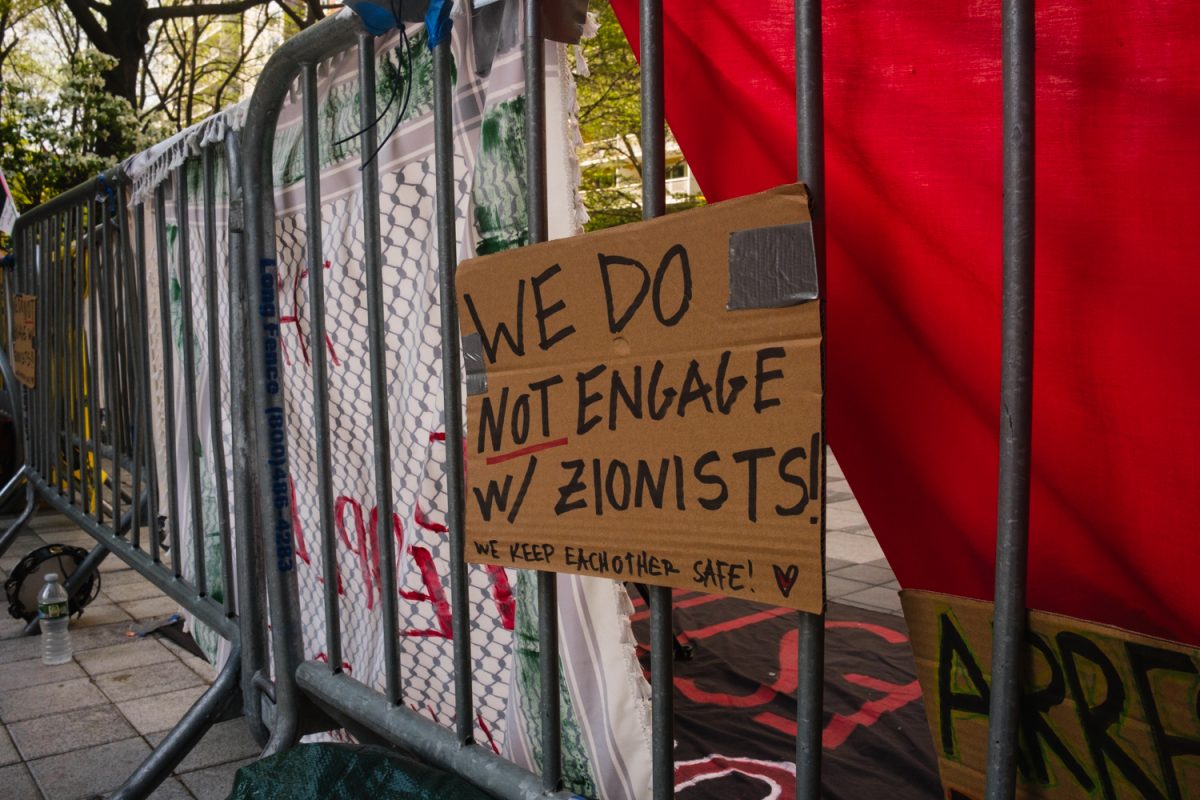
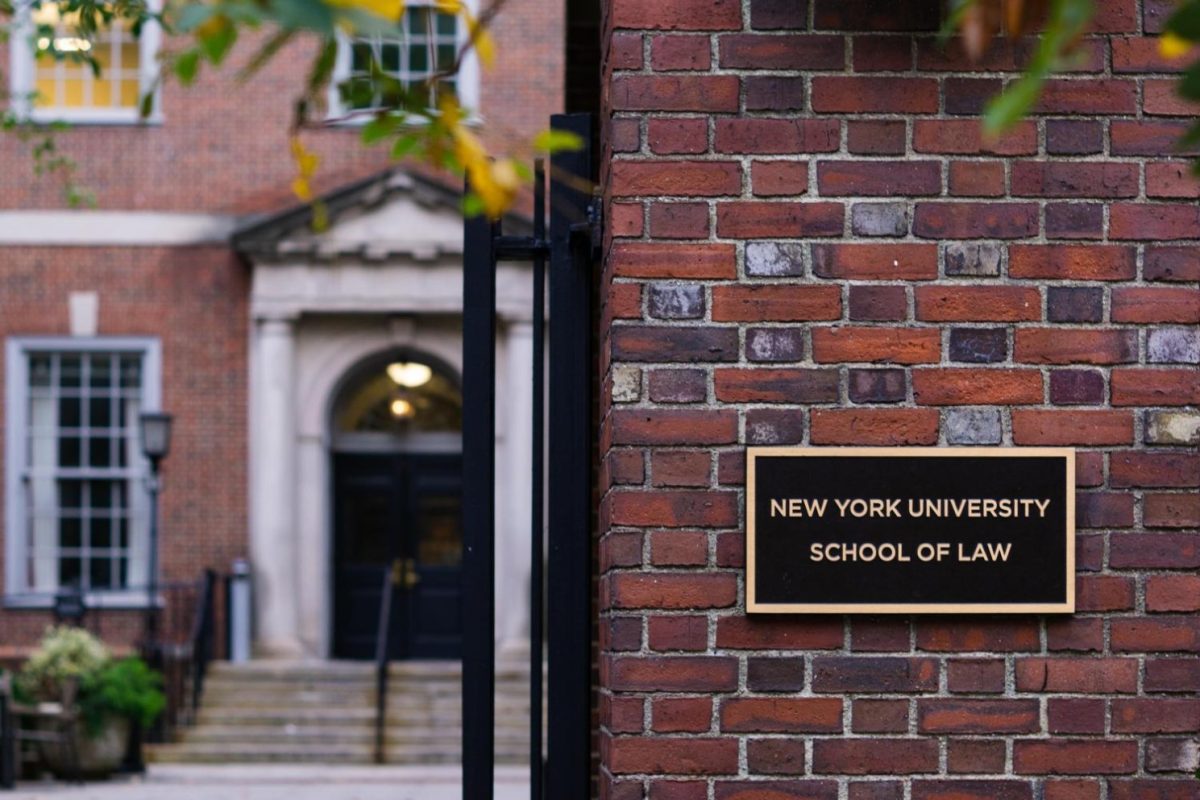
New York City is also not Circleville, Ohio. People across the nation watch what this city does. It’s why residents in different cities might be able to name Mayor Zohran Mamdani before their city’s own officials. NYU’s prominence and high-profile location also make it politically visible in a way some smaller schools are not. For those who are frustrated with the looming, high-scale threats from the federal government or our school administration’s efforts to silence free speech on campus, local politics serve as another channel to ensure your voices are heard and raise national salience on such pressing issues.
Lastly, for those that are certain they want to leave the Big Apple after four years in college, there will still be plenty of opportunities to get involved during your limited time here. In just the first five months of 2025 alone, New York City held three special elections before even reaching the mayoral primary. Over the course of four years, most students have the chance to participate in eight to ten distinct elections.
Re-registering to vote only takes a few minutes to do online, and approval takes a couple of days. Those who live in on-campus housing can register with their dorm addresses too. Although NYU students have always been involved in politics, including the recent push to outlaw 24-hour shifts for home health aides, there’s always more room to get involved — and I encourage you to get involved, especially when it comes to electing the next batch of local leaders.
WSN’s Opinion desk strives to publish ideas worth discussing. The views presented in the Opinion desk are solely the views of the writer.
Contact Serin Lee at [email protected].