























Last week, one of my professors held our first class on Zoom. It was an anticlimactic start to the semester, as I sat alone in my room melancholically staring at my screen instead of socializing with my instructor and fellow students.
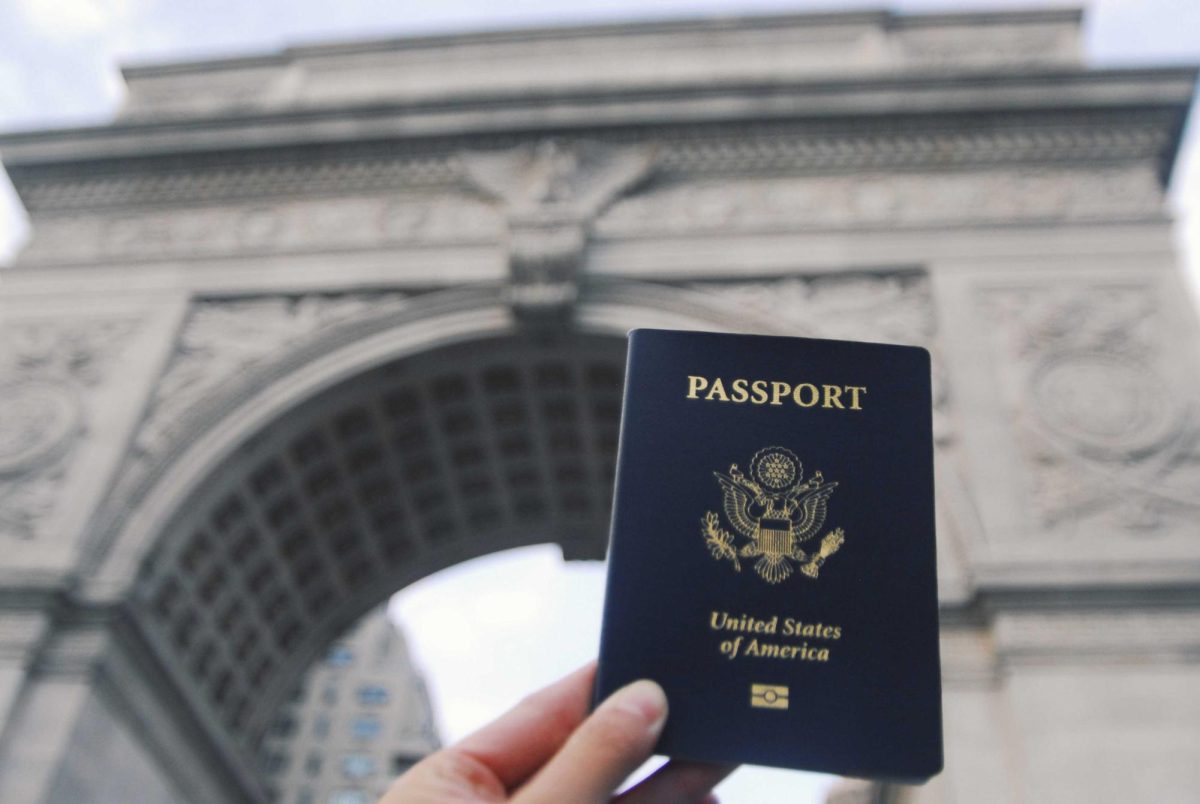
My professor, from China, was unable to enter the country in time for classes due to enhanced screening for H-1B visa applicants — foreign professionals in specialty occupations. He and many others were forced to turn over all social media accounts for public review last month. This lengthened adjudication process may come off as a mere hassle, but it reflects a deeper anti-immigrant sentiment and a step toward constraining intellectual diversity in the United States. The Trump administration is already creating a rift in the core operations of the university, leaving our international faculty and students in extraordinarily vulnerable positions.
NYU is unique in that it emphatically boasts having the highest number of international students out of any American university, with alumni from 183 different countries. International students contribute significantly to university revenues because they are unable to receive financial aid, allowing schools like NYU to offer more robust scholarships to U.S. students. They also keep enrollments up in STEM fields, making up nearly half of the United State’s STEM Ph.D. and master’s programs.
Tighter restrictions on immigration coupled with a federal attack on higher education have led some to predict that there may be an exodus of intellectuals and innovators from the country, leaving behind an undereducated, lackluster workforce that will fail to compete in the world market. If this happens, the United States is fated to lose its competitive edge in the global economy.
In the wake of these threatened programs and populations, it is important that university leadership devise a strategy to keep its campus diverse and the educational experience stimulating by promoting a heterogenous flow of ideas. The institution should more effectively divert legal resources to helping students and faculty with visa issues in the future, and must clearly and consistently update its student body on changing processes or laws. Even if it is only a single case, there’s still a clear issue at hand.
Similar to the new mandated active threat training, the university should implement a course that informs students of their rights and trains them on how to stay safe in interactions with Immigration and Customs Enforcement — or how to help their peers who may be targeted. After the Supreme Court temporarily ruled that ICE officers can profile and detain subjects based on their race, language, accent and employment location, even those who used legal means of entry and have no criminal history have to reside in fear. An additional layer of assurance from NYU’s administration would be a bare minimum amid a period of uncertainty for non-white students and faculty.
Although immigrants have long been unfairly characterized as criminals taking advantage of U.S. taxpayer dollars — despite strong statistical evidence otherwise — it is critical to understand the social and economic capital that immigrants have contributed to this country. Immigrants and their children are responsible for founding or co-founding two-thirds of the country’s billion-dollar startups, while only making up around 15.4% of the total population of U.S. residents as of June 2025. Studies show immigrant researchers and scientists can spur the productivity of American scientists by facilitating the exchange of knowledge between their countries of origin. The United States owes much of its current title as a leader in technological and economic innovation to those who made the choice to move across the border.
As political rhetoric toward immigrants grows increasingly negative and manifests into tangible harm resulting in losses of life and the separation of families, NYU and its community has a responsibility to preserve its pillars of academic freedom and diversity. The pursuit of scholarship does not flourish in echo chambers — or on Zoom calls that dampen the face-to-face learning experience.
WSN’s Opinion desk strives to publish ideas worth discussing. The views presented in the Opinion desk are solely the views of the writer.
Contact Serin Lee at [email protected].