


























NYU’s Center on International Cooperation urged the United Nations to improve its efficiency and brace for funding cuts in the wake of “profound” financial and political turmoil in its latest report.
Authored by Robert Piper — a former U.N. Assistant Secretary-General and senior fellow at the center — last month’s 56-page report warns that cuts to international aid, from the United States and other countries, may force layoffs and reduce humanitarian services. Piper told WSN that while many countries are facing heightened need for food and resources, the U.N. is forced to offer less than it has in the past.
“Some organizations have had to cut back enormously in the services that they provide, and in their projects, firstly, in the developing world,” Piper said. “We’ve seen some really devastating choices that have to be made by an organization that now finds itself with 20, 30 — depending on the organization, 40% less money.”
Funding from members of the U.N. Organisation for Economic Co-operation and Development — a group of 38 developed countries that strives to improve economic well-being worldwide — dropped by 23% in 2025 — nearly 57% from the United States, according to a Thursday press release. Piper’s report warns that agencies such as the United Nations Children’s Fund and UN Women, might have to shift their operations to continue providing key services.
In the paper, Piper also called for a “sense of urgency” in implementing Secretary-General António Guterres’ push to modernize the U.N. by integrating its peace and security, management and development efforts, with a focus on promoting human rights and gender equality. He suggested that in response to declining funding, U.N. agencies should minimize physical offices beyond their headquarters in the United States and Europe.
“Traditionally the instinct was, ‘We’ve got to be there, we’ve got to open an office, then we’re a player,’” Piper said. “Physical presence has got to be rethought — it needs to be reduced much more. The fact that you don’t necessarily have an office in Dar es Salaam or in Jakarta should not mean that you can’t be an active part of the operation there.”
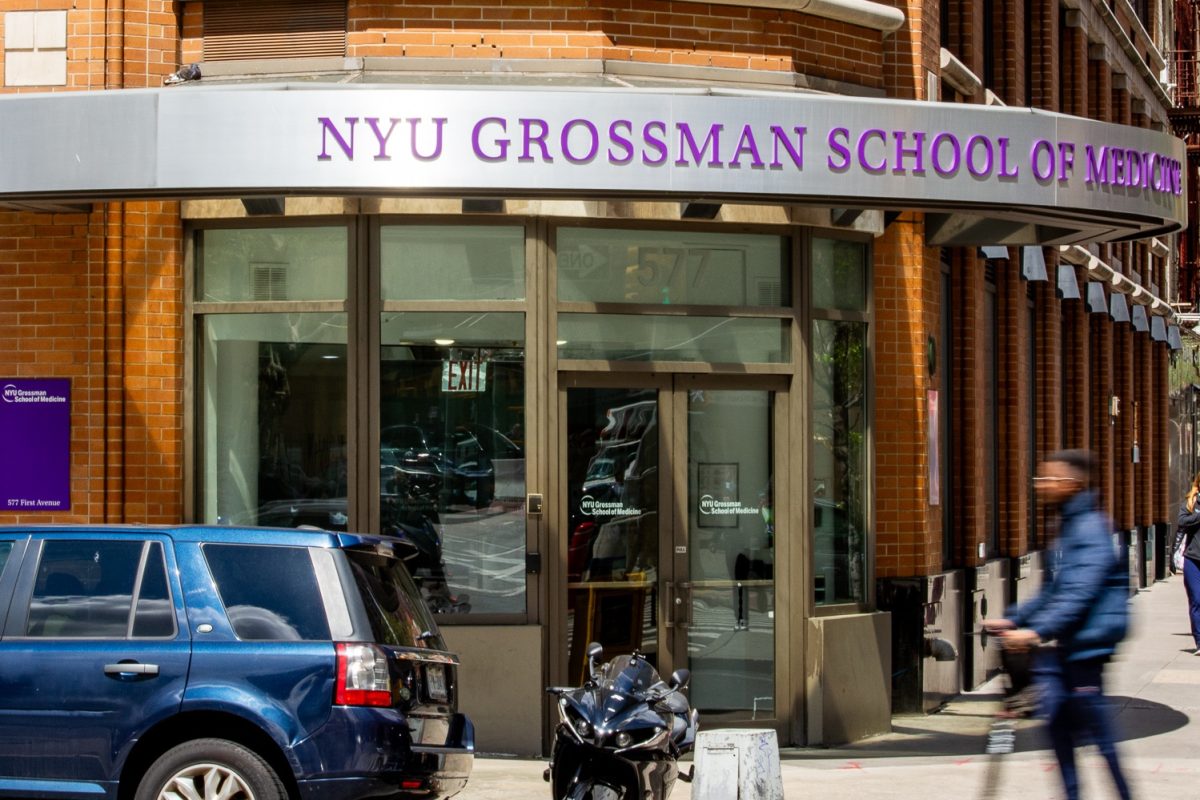
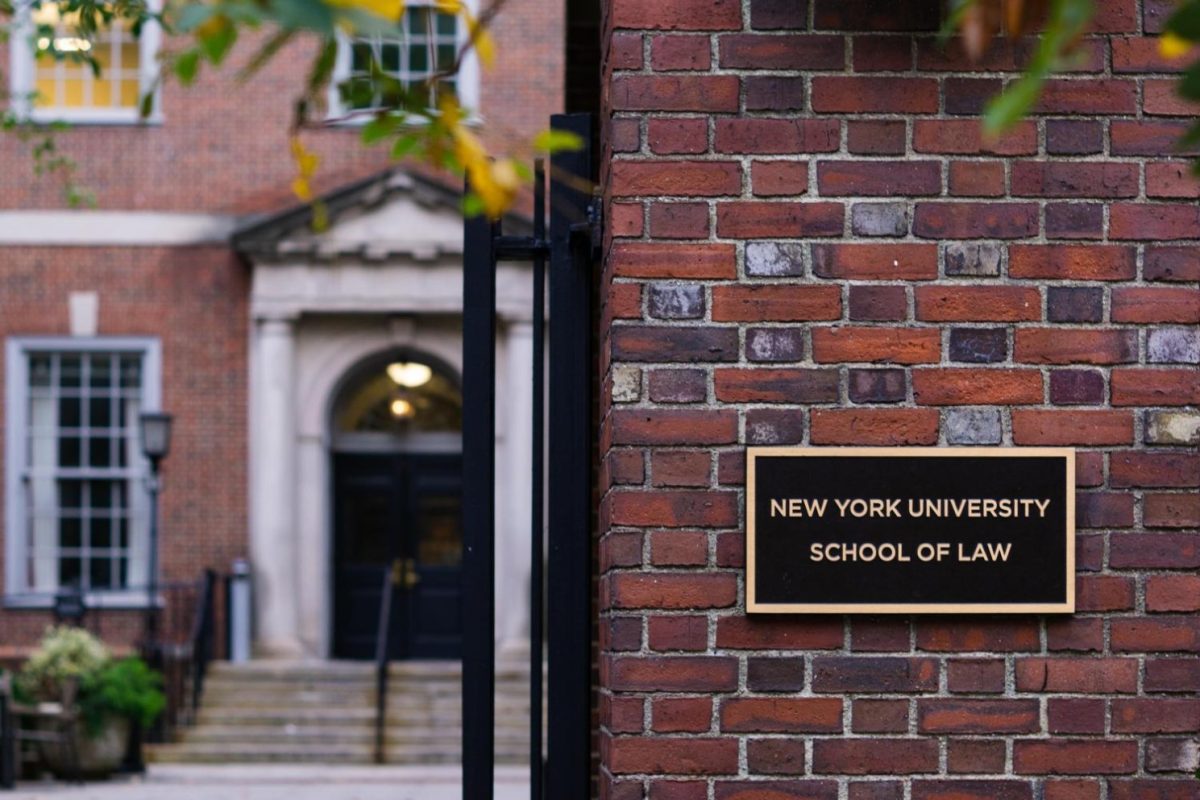
The CIC, part of NYU’s Wagner Graduate School of Public Service, is a think tank founded to research international policy and humanitarian issues. It publishes resources explaining U.N. initiatives and policies and compiles reports offering possible solutions to international issues, such as conflict prevention and artificial intelligence in the justice sector.
Margaret Williams, an associate director at the CIC, told WSN that the U.N. has a history of not seeing through its reform initiatives, rendering them largely ineffective. She said that Piper’s experience as a U.N. development coordinator made his report more impactful.
“He was part of those reform efforts, and so he knows where things went well, where things fell short, and also which of those reforms weren’t really great anyway,” Williams said. “That’s why the report is good — because it has a guy who knows what he’s talking about, who sat in a relevant role, saying how to see through some of what didn’t get seen through before.”
Contact Ashlie West at [email protected].