






















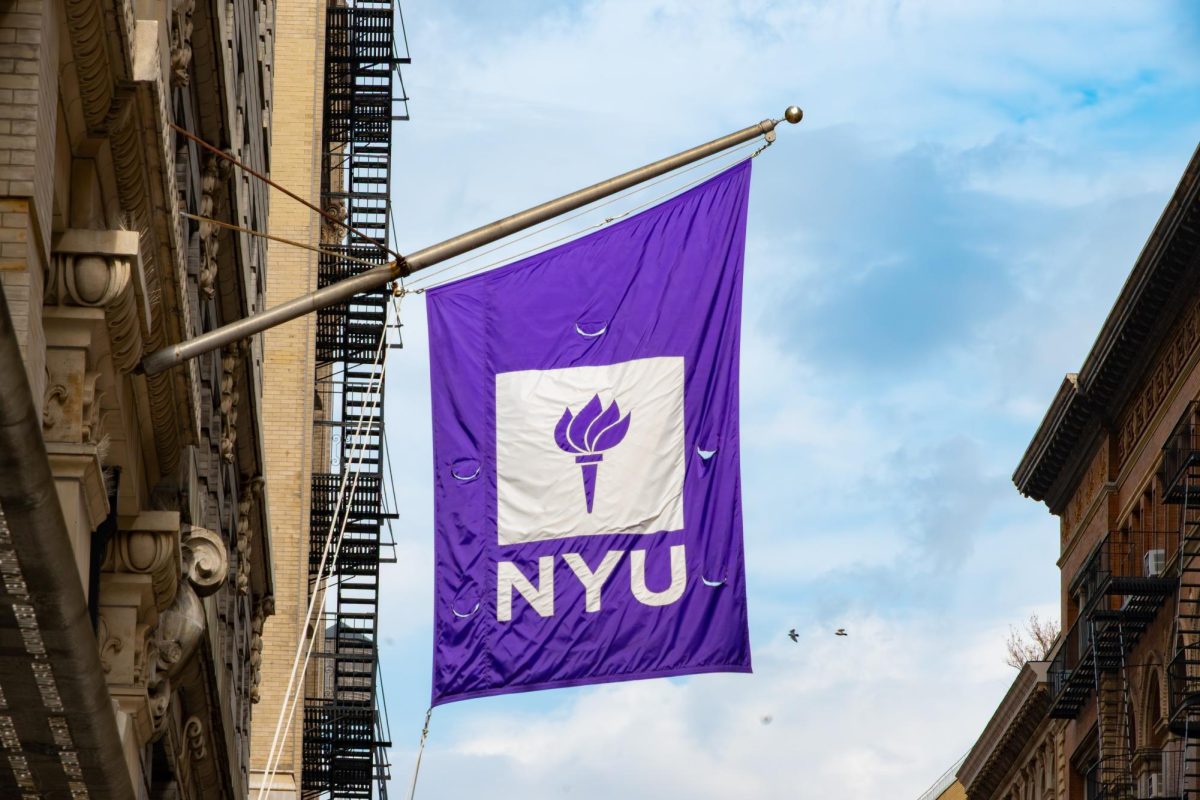
Four NYU faculty members were recognized for their research in areas of biology, neuroscience and chemical and biomolecular engineering as fellows of the American Association for the Advancement of Science.
The AAAS — which aims to shape science policy and build a community for STEM researchers — elected 449 researchers across the United States for its newest class of fellows. This year, the class included Eray Aydil, the senior vice dean of the Tandon School of Engineering, and NYU Langone Perlmutter Cancer Center director Anirban Maitra. AAAS also honored Liina Pylkkänen, a linguistics and psychology professor, and neural science professor André Fenton.
In an interview with WSN, Aydil said that a speech by Nobel Prize-winning chemist Richard Smalley inspired him to enter his field, in which he synthesizes new materials for solar panels. Aydil said that he prioritizes mentoring students in his lab, hoping to inspire their futures in STEM.
“When you’re solving problems, you’re using an instrument, you’re learning a new technique — sometimes you’re inventing a new technique to look at materials and how they function,” Aydil said. “The product is not always the end research, or some knowledge. The product is the student.”
Nominees for the AAAS fellowship are tapped by the association’s chief executive officer, other members of AAAS leadership or previous years’ fellows who are current AAAS members. The association highlights researchers whose work falls into one of its 24 sections, which emphasize subjects ranging from agriculture to education.
Pylkkänen, who teaches at the College of Arts & Science, studies the connection between linguistics and neuroscience — “the ways that our brains combine meanings together to create larger meanings,” as she told WSN. After growing up in Finland, Pylkkänen said she moved to the United States when she was 20 years old to study linguistics.
In her research, Pylkkänen uses a technique called magnetoencephalography to visualize and compare the brain activity of people who speak different languages. After earning a master’s degree in linguistics at the University of Pittsburgh, she attended the Massachusetts Institute of Technology and got her Ph.D. in the field.
“I come from linguistics, but throughout graduate school, I became involved in cognitive neuroscience research using MEG,” Pylkkänen said. “It was first accidental — I just needed a summer job — but then I got hooked and was more and more interested in it.”
Fenton, who serves as director for NYU’s Center for Neural Science, studied English and applied philosophy as an undergrad at McGill University, but later switched to biology, citing his interest in how the human mind gained its subjective understanding of reality. He said that now, he researches how the interactions between neurons coordinate to form memories.
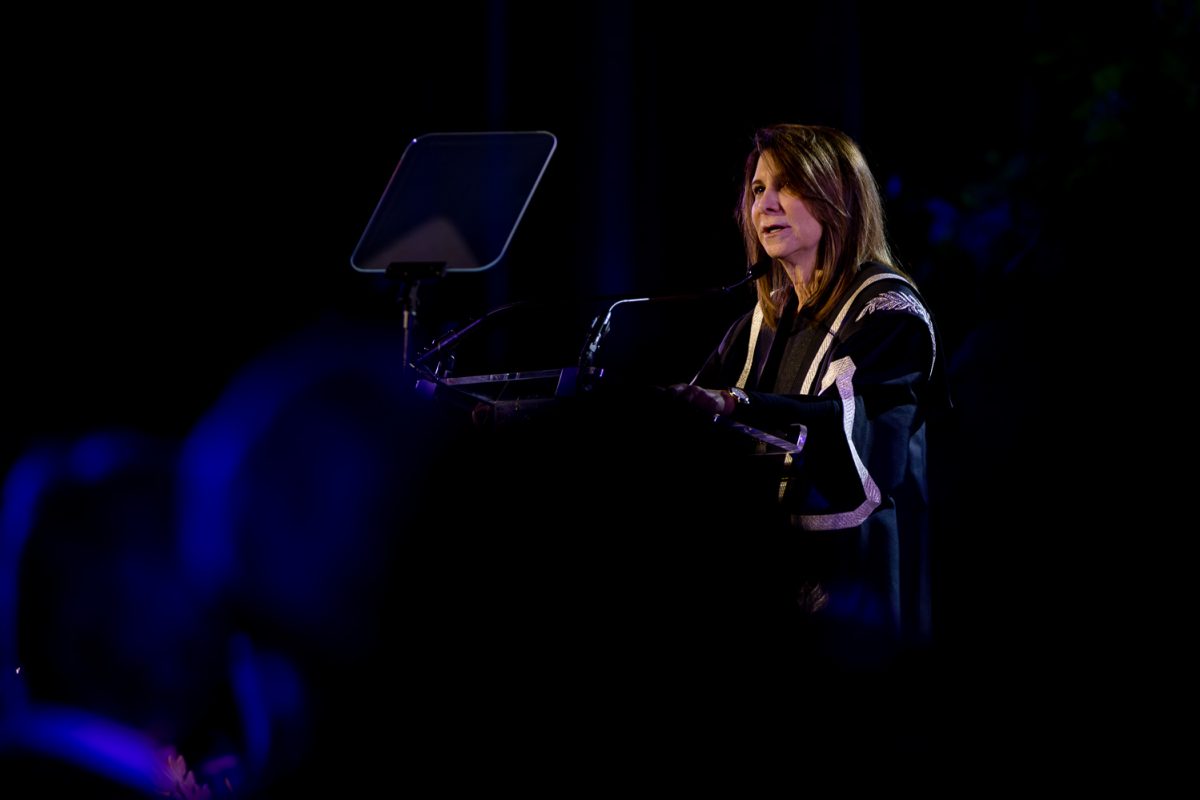
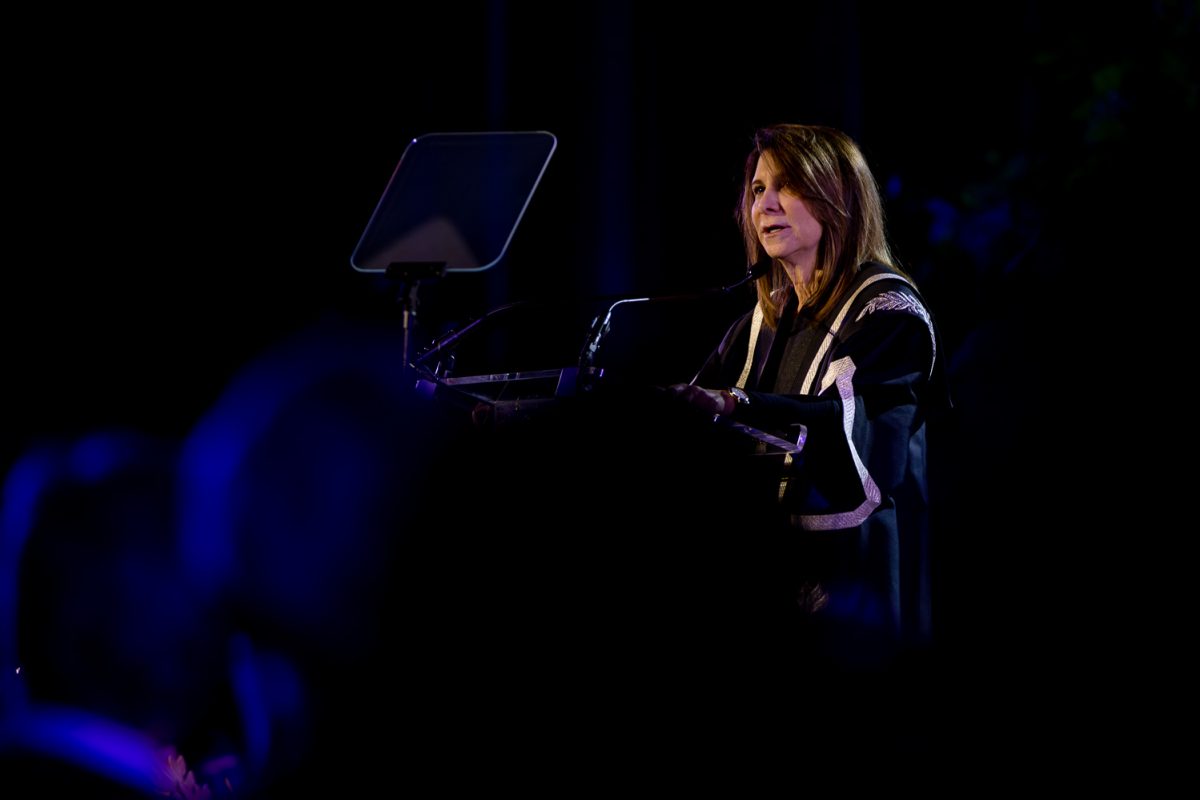
When Fenton became an AAAS member in 2024, he delivered a lecture at the organization’s induction ceremony called “Memory Is About Your Future: What We Think We Become.” In his speech, Fenton aimed to reach an audience beyond the STEM field, which he said is one of his main goals as a scientist.
“I never thought I would be a scientist,” Fenton told WSN. “I have the opportunity to help people that might have been like me — who didn’t have the guidance and the resources to find out what a great life in academic science could be.”
Aydil, Pylkkänen and Fenton all told WSN that, while they appreciated the AAAS’ recognition as fellows, they would continue pushing their research forward.
“Things like AAAS fellows, awards and recognitions — if they come, they come,” Aydil said. “But, you get satisfaction out of what you’re doing if you like what you’re doing every day.”
Contact Daniel Chumpitaz at [email protected].