










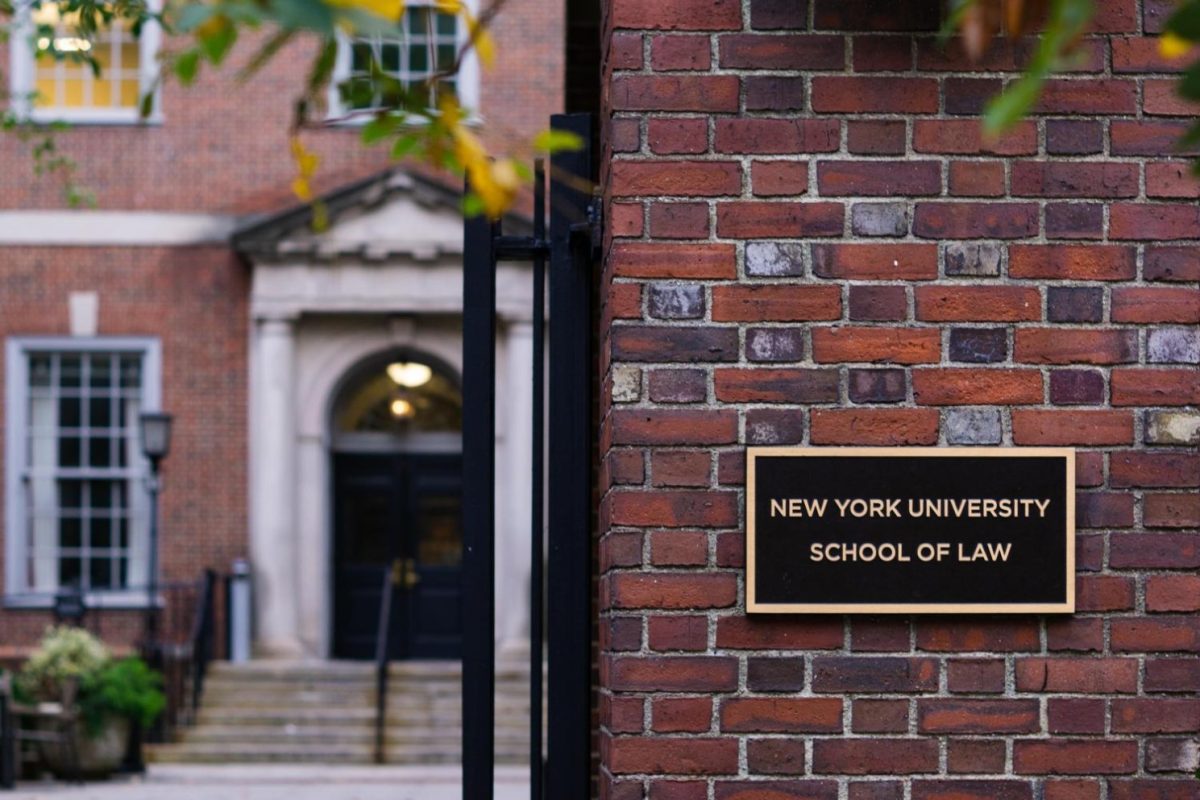





















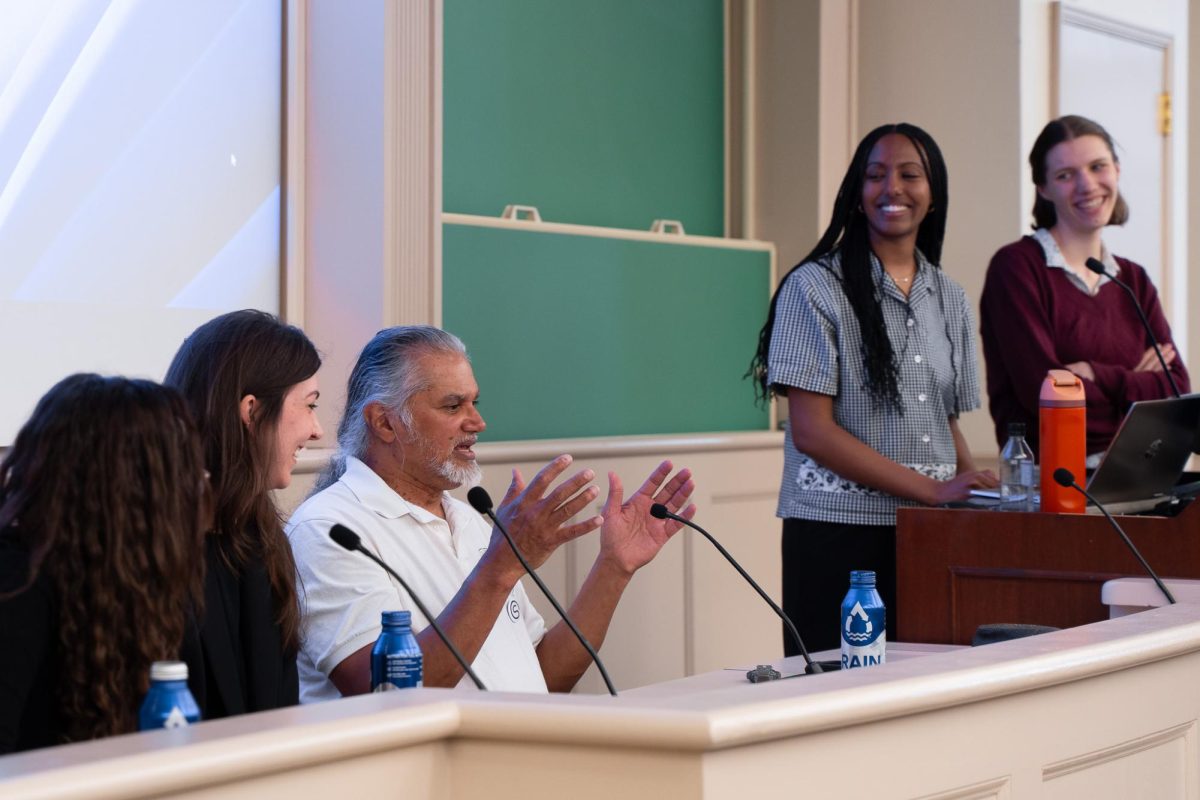
The NYU School of Law hosted a panel on immigration representation Tuesday, where advocates emphasized the need for legal assistance from citizens and local officials amid the Trump administration’s sweeping enforcement efforts.
Leaders from the New Sanctuary Coalition, The Door and UnLocal spoke to around 30 students in a Q&A on their nonprofit immigration defense work, highlighting the importance of community involvement and organizing efforts.
Kicking off the discussion, which was held by the International Refugee Assistance Project and the Immigrant Rights Project, each speaker was asked what their biggest priority would be when changing immigration regulations. All three cited unlawful detention as their greatest concern.
“Now we’re also seeing people who aren’t subject to mandatory detention not getting out, including through things like reinterpreting who’s a flight risk,” UnLocal legal director Kendal Nystedt said at the panel. “More and more people are being detained for longer in incredibly concerning ways.”
NSC co-founder Ravi Ragbir also pointed to the rapid expansion of immigration detention. The number of people in Immigration and Customs Enforcement detention hit a record-high 73,000 in January, compared to roughly 40,000 at the same time last year.
Mariah De Leon, a second-year law student who plans to work at an immigration-focused organization this summer, told WSN that the discussion offered her a sense of direction.
“It’s really easy to be doomsday about the state of immigration law,” De Leon said. “But leaving the panel, it’s helpful to see that there are people who are doing this work that actually care about this work, and they’re open to having other people get involved as well.”
Panelists focused on the “extraordinary” number of changes and barriers that immigrants face within the U.S. detention system. Jamie Kessler, a supervising attorney on the removal defense team at The Door, told attendees that frequent changes in the legal and political landscape, along with the fear of friends or family members getting deported, can be severely taxing on mental health. She added that immigrants looking for legal support may cycle through several attorneys when facing deportations.
Young people in particular must continue supporting immigrants as they navigate instability, Kessler emphasized. Panelists also encouraged students to create protest art, volunteer at legal clinics and attend demonstrations, in addition to asking professors and local politicians to use their positions to defend their immigrant communities.
“Teachers and principals have been incredible in writing letters, going to court and agreeing to accompany people at ICE check-ins,” Kessler told the panel. “The existence of just another body there has really made a difference.”
In her closing remarks, Nystedt shared that mayors should use government power to equip immigrants with the means to protect themselves from federal scrutiny.
“We can use city resources to build what we need to build to last,” Nystedt said. “These issues are really intersectional. It is still incredibly helpful when people have safe places to live and quality jobs.”
Contact Paige Tang at [email protected].