

























The first time Gwen Whittle created sounds for a movie with its own language was as a sound designer for 2009’s “Avatar” — the highest-grossing film of all time — for which she received her first Oscar nomination.
At the time, Whittle already had about two decades of experience working at Skywalker Sound, a motion picture sound design division of Lucasfilm. She spends most of her time at the studio’s home base, Skywalker Ranch: nearly 5,000 acres in Northern California, owned by “Star Wars” and “Indiana Jones” creator George Lucas.
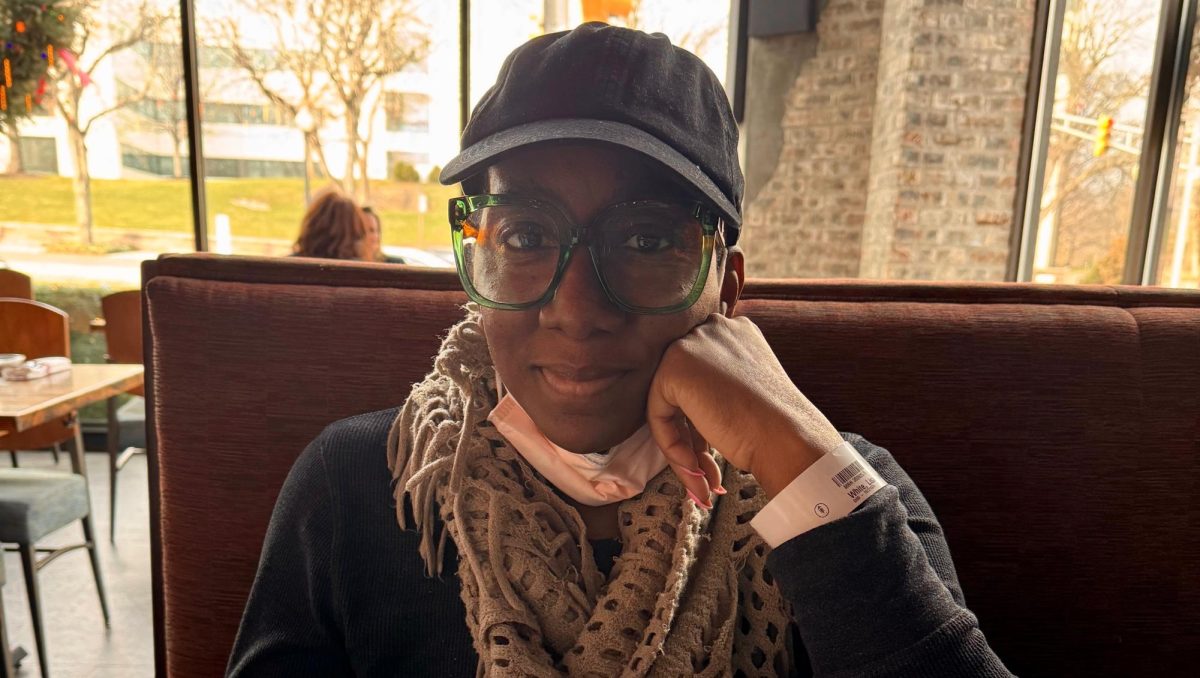
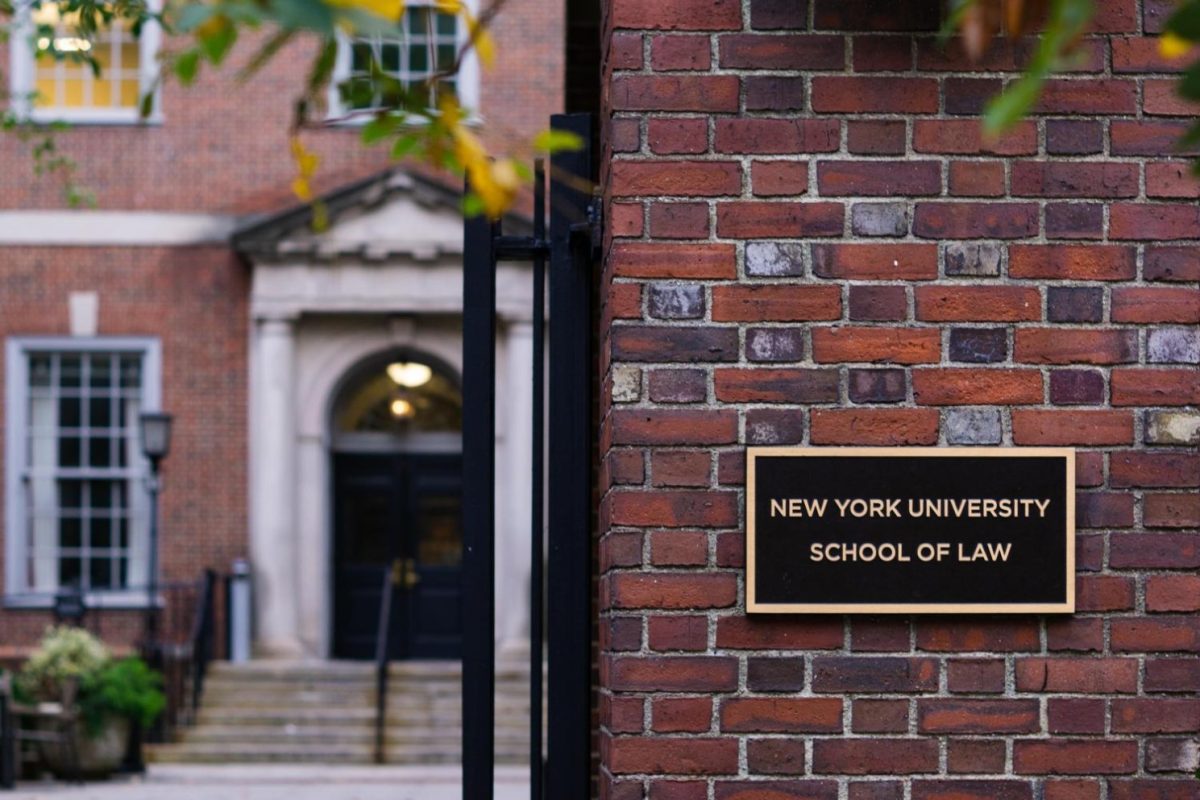
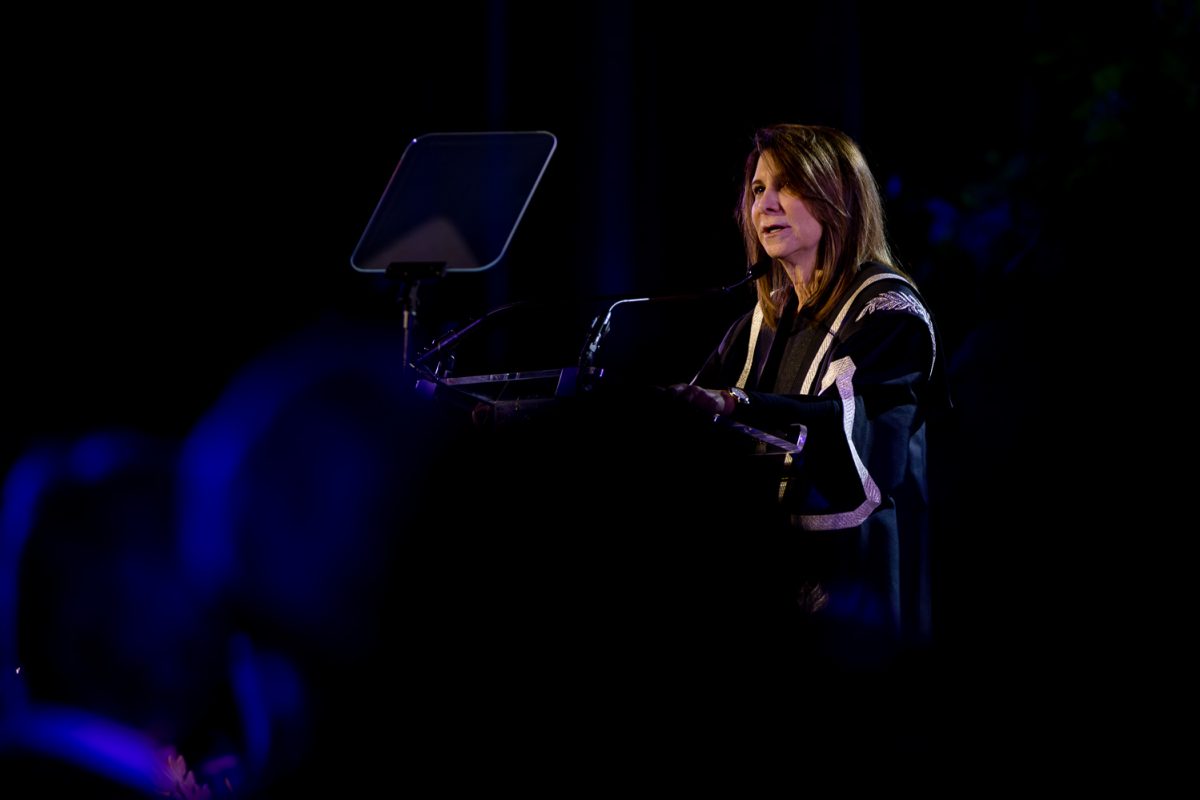
The Tisch alum spoke with WSN about her experience in sound design and the lessons she’s retained from her time at NYU.
This interview has been edited for length and clarity.
WSN: You studied at three other universities before transferring to NYU for your undergraduate degree. Why did you transfer and how did you decide to major in film?
Whittle: I was an exchange student for a year in Germany, and I was just kind of antsy. I came back and went to Northeastern University, then Boston University — where I was pre-veterinary and a film major — but my favorite thing is the film stuff so I applied to NYU. I did film production for my one year at NYU because I had already done all the other stuff — chemistry, biology and international relations. I’m probably one of the last people they let in with the credit requirement, and it was just the best year. I learned as much as I could and I met really great people. Our class absorbed the city and everything that NYU and the film program had to offer.
In 1984, Whittle spontaneously moved to San Francisco with her sister after graduating — a nontraditional place to pursue film, as most of her peers went to Los Angeles or stayed in New York City. There, she joined an independent feature film called “Smooth Talk” as an unpaid production assistant. Given the small size of the crew, she had the autonomy to do various jobs on set.
Whittle then went on to become an assistant editor, helping with a film titled “Stacking,” after which she took a job at a frame shop. In 1988, Whittle received a much-awaited offer on her answering machine: a job at Skywalker Sound for the fantasy-adventure film “Willow,” where she would one day meet her husband. She accepted, and still works at Skywalker Ranch nearly 40 years later.
WSN: What is it like working at the ranch?
Whittle: It is a beautiful working ranch and has cows, chickens and sheep. It’s got a pond and beautiful orchards, and is built to look like an old winery. The building has mix stages, a ton of editing rooms, a scoring stage and a Foley studio. They have a beautiful — probably the best — screening room in the world. I was able to work with George Lucas on the ‘Indiana Jones’ TV series, and also on a film called ‘Radioland Murders.’
When you’re on site and have four people, y’all have to work together. No one can slack, and everyone needs to bring their A-game all the time. It’s an uphill battle, but if you’re working with a crew that is full of mutual respect and incredible creativity, it’s magic. George loves what sound does and how it helps tell a story, and he’s great at that.
As a supervising sound editor, Whittle often ensures that sounds are synced and appropriately placed, often using a method called Automated Dialogue Replacement — a post-production process in which actors re-record lines in a studio.
WSN: Can you share an example of ADR being used on the big screen?
Whittle: I know for a fact that when they did ‘Wuthering Heights,’ they had Margot Robbie and Jacob Elordi just keep acting even though a plane was over them — because it was such an intimate movie. After, they cued it because their mouths are moving on screen, so you want them to say what they said before with the same performance. It’s all about getting the actors back into the performance without the airplane overhead. I mean, you can look for production hours without the airplane, but it’s all about keeping the performance.
While working on the sounds for “F1: The Movie,” Whittle learned that she was not allowed to put microphones on cars during the races. Instead, the production team had to use Formula 2 cars, which create different sounds — but with a little help from one of the producers, seven-time world champion and Ferrari driver Lewis Hamilton, Whittle was able to record laps once everyone left the track. The movie ultimately won best sound at the BAFTAs earlier this week.
WSN: You have four Academy Awards nominations for ‘Avatar,’ ‘Tron: Legacy,’ ‘Avatar: The Way of Water’ and now, ‘F1: The Movie.’ How does it feel to receive the nomination call?
Whittle: Being nominated by the academy was pretty freaking great. It’s nice because you’re nominated by sound people who are at the top of their game — they understand what you do, the pressures you’re under and what it takes to put together a world-class track.
Being asked to come back for ‘Avatar’ was great. The first ‘Avatar’ had a lot of Na’vi language. We took what all the background people might say in English and sent it to the guy who invented the language, Paul Frommer, and he sent back the phonetics of the language. He had little MP3s of what each line would sound like. Plus, I know Zoe Saldaña, Sam Worthington and Sigourney Weaver — they’re like family now.
During her time at Skywalker Sound, Whittle has been involved in the creation of over 100 movies, including “Fight Club,” “Lilo & Stitch” and “Mission: Impossible.” At the same time, she keeps smaller productions close to heart, such as the 1996 film “Follow Me Home,” which follows four graffiti artists traveling from California to Washington, D.C.
WSN: What makes you continue to stick with your profession?
Whittle: One reason I love my job is because it’s never the same. The content is always different and the more fresh voices, diversity, women and different cultures involved, the more interesting it is. We need to keep those voices alive and heard.
I never sought to be a cinematographer, sound designer or actor. I just loved movies and the way they made me feel — I wanted to be a part of a film in some way, and that just kept pulling me. I said ‘yes’ to all the opportunities someone offered me. It’s a different world now, so I don’t think someone could do what I did today, because you wouldn’t be able to afford to do it, sadly. But I hope that attitude still prevails so people can say, ‘Oh, that’s cool. I’m gonna try that,’ then end up working where they want to be with people they want to work with.
Contact Selin Kemiktarak at [email protected].