




















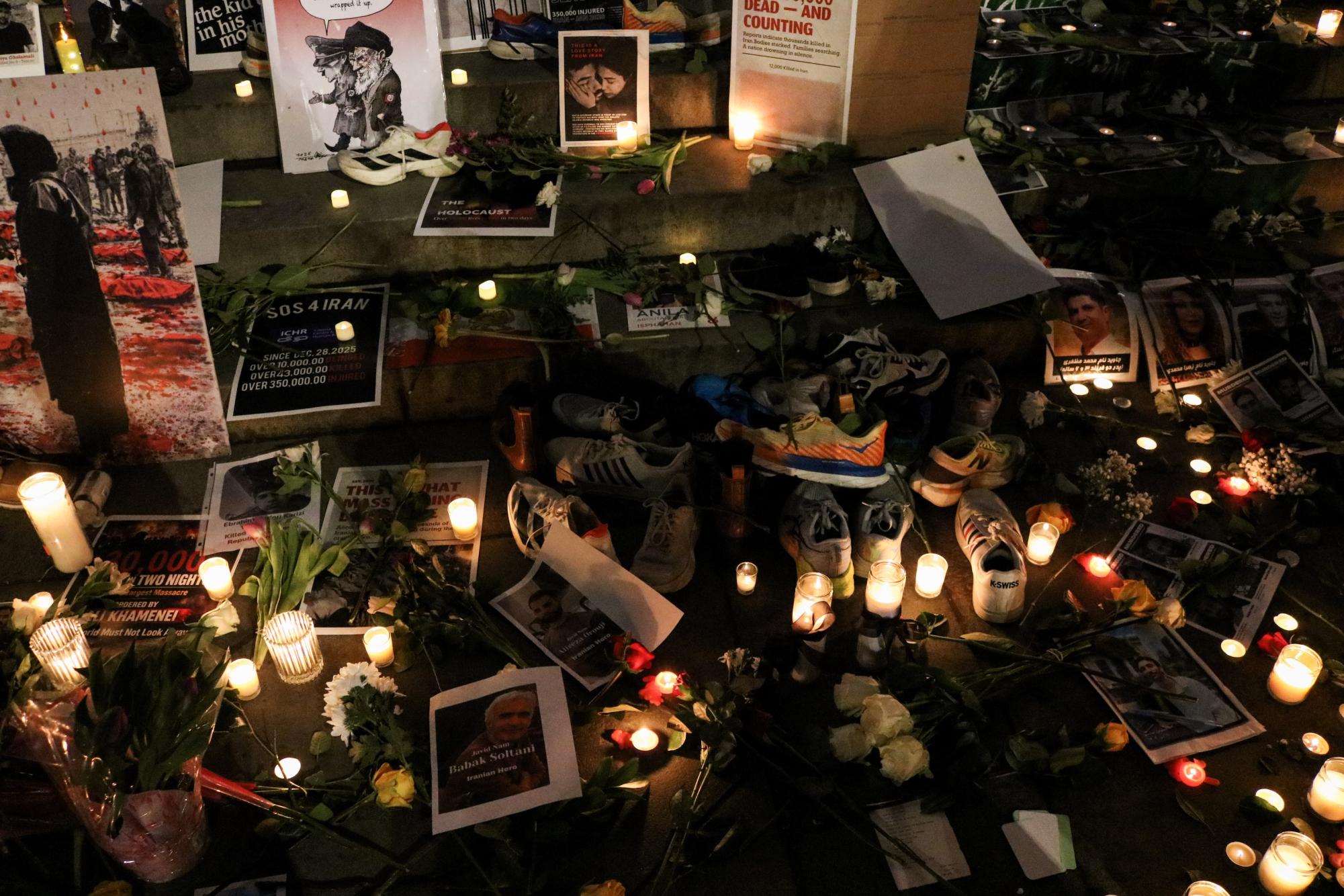
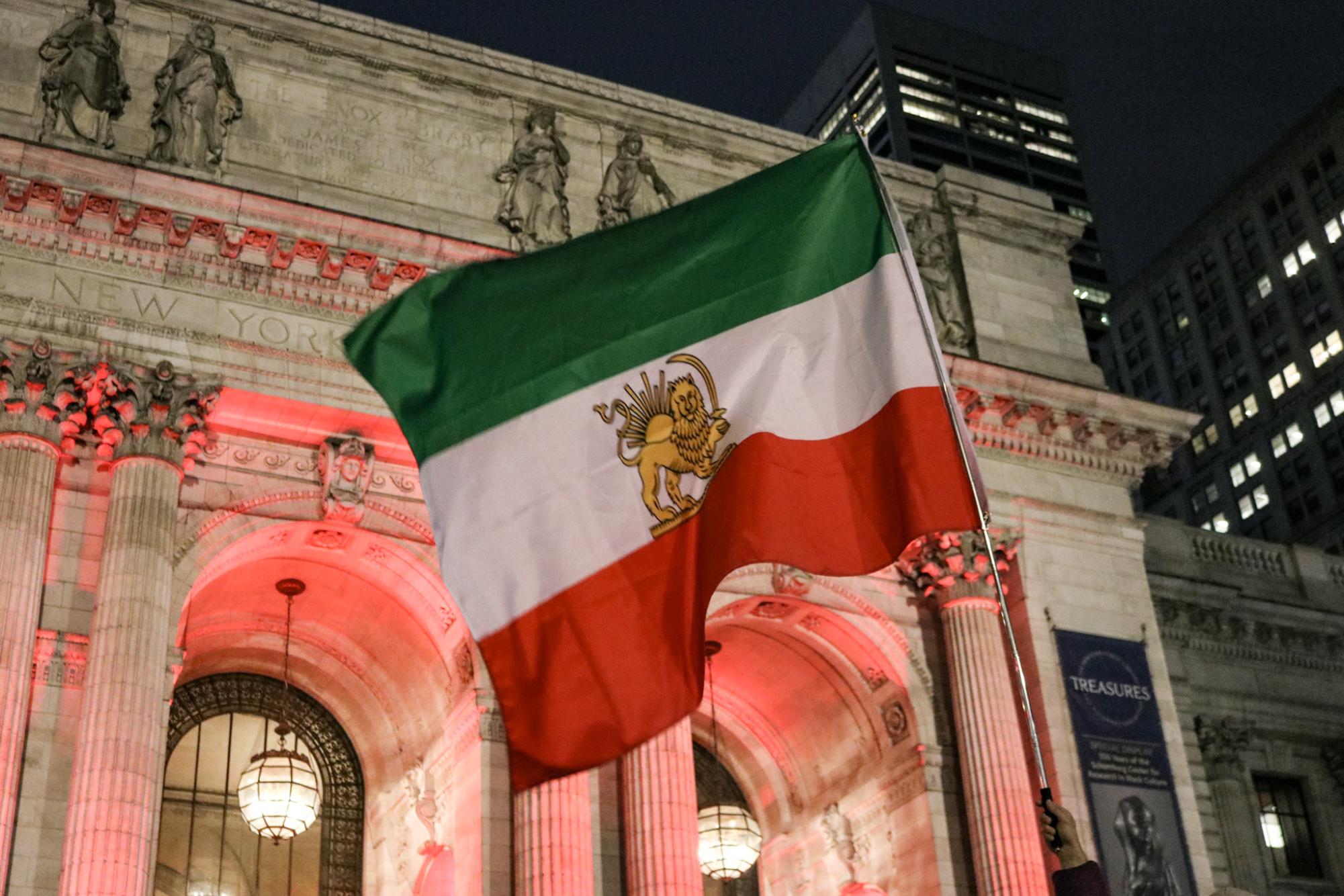
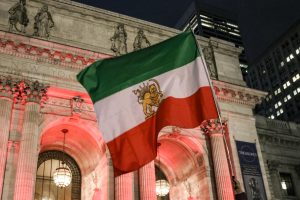
NYU students joined around four dozen New Yorkers to mourn the thousands who died in Iran’s nationwide crackdown on protests, listening to speeches and lighting candles at a Saturday vigil on the steps of the New York Public Library.
Organized by Woman Life Freedom NYC, a nonprofit that advocates for Iranian rights, the vigil began at 5 p.m. and lasted an hour and a half. It marked the 40th day of mourning — known as chehelom in Iranian tradition — after the deadliest period in decades for protesters, with an estimated 30,000 fatalities. The ongoing protests broke out late December as Iranians faced a sudden collapse of their currency and debilitating living conditions, demanding a regime change.
Second-year graduate student and co-president of the NYU Persian Cultural Society Jasmine Nourisamie, who attended the vigil, told WSN that their club programming — which usually consists of celebrating Iranian heritage — has shifted to focus on organizing and attending vigils and protests in light of recent events.
“This is a humanitarian issue — almost every Iranian family that I know has in some way been affected by these massacres,” Nourisamie said. “We all have ties to people that have been murdered, imprisoned, arrested, disappeared. It’s a big deal for us to come out and support our people and be a voice to the voiceless.”
As attendees lit candles and passed out flowers, the vigil’s organizers gave speeches and read letters from living and deceased people in Iran. The crowd chanted “azadi,” which translates to “freedom” in Farsi, and sang “Ey Iran,” the country’s unofficial anthem.
Attendees also danced to an upbeat song, “Dele Dige” by Ali Nazari, which organizers said was a gesture in solidarity with Iranian families who dance at funerals to mourn their loved ones in defiance of the regime. According to Iranian belief, chehelm marks the end of the mourning period because a deceased person’s soul stays within the body for 40 days before it crosses into the afterlife.
“Talking to a non-Iranian about it — just try to imagine the guilt of your people having to beg for a freedom that you have,” CAS junior Melody Hosseinipour who attended Saturday’s vigil, told WSN. “We’re privileged because we’re safe, we’re not at the hands of the Iranian regime. Even if we do go to protests, we know that we’re gonna come out alive. It’s difficult to grapple with the guilt of those privileges at the same time.”
Since Dec. 28, Iranians have taken to the streets to demand a new system of government after an economic crisis plummeted their currency, increased inflation and worsened the country’s environmental and living conditions. In January, the Iranian government responded with internet blackouts and mass arrests, with detainees reportedly subject to torture and sexual violence. On Jan. 8 and 9, the uprising reached its deadliest point in recent history, with security forces instructed to “shoot to kill” citizens.
The last wave of protests in Iran — the “Woman, Life, Freedom,” movement — erupted in 2022 following the death of 22-year-old Mahsa Amini, who endured physical violence and died in the custody of Iranian morality police. The government responded by arresting thousands of protesters and executing more than 500.
President Donald Trump recently threatened to strike Iran if it does not comply with restrictions to its development of nuclear weapons, and leaders from Iran and the Trump administration will meet in Geneva on Thursday to discuss next steps. Last month, Trump also said the U.S. would intervene if Iran continues its violence against protesters, but reversed course after vague claims that executions in Iran stopped.
“I’m an Iranian-American, this is my heritage, and I can’t let go of all the memories — people, family of mine who are living back home,” Rutgers professor and organizer Ali Motamedi told WSN. “People come here to reflect, to see — to see the spirit of education, self reflection, quietness and knowledge. This is the right place to do it. We are all human, we all deserve freedom and the essential human rights.”
-
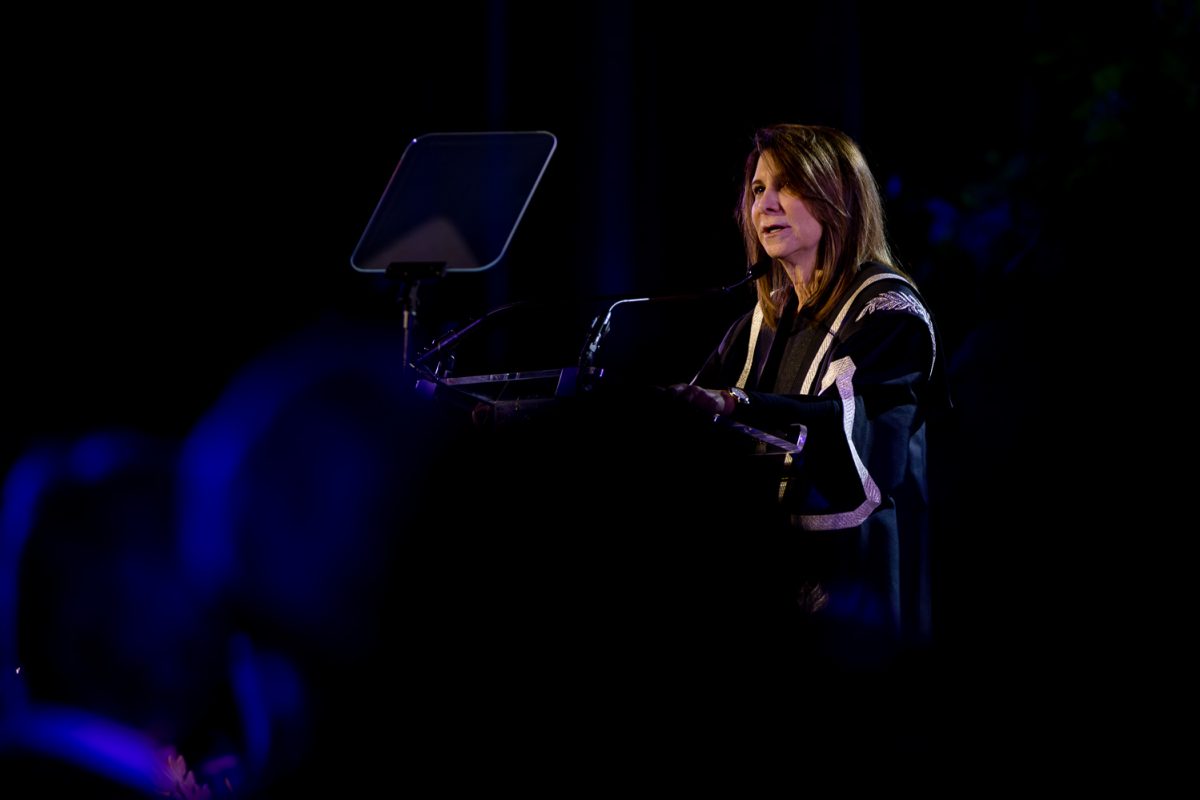
(Sara Finnegan for WSN)
-
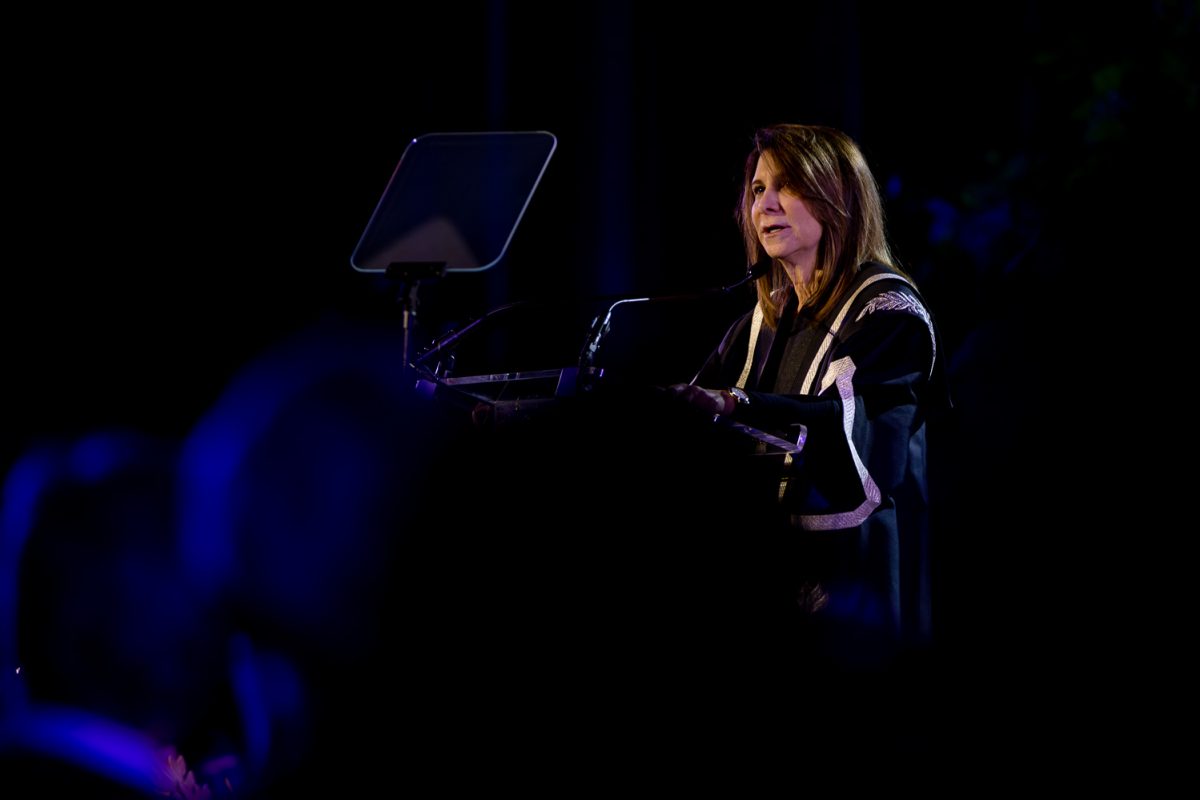
(Sara Finnegan for WSN)
Contact Brishti Sarkar at [email protected].