







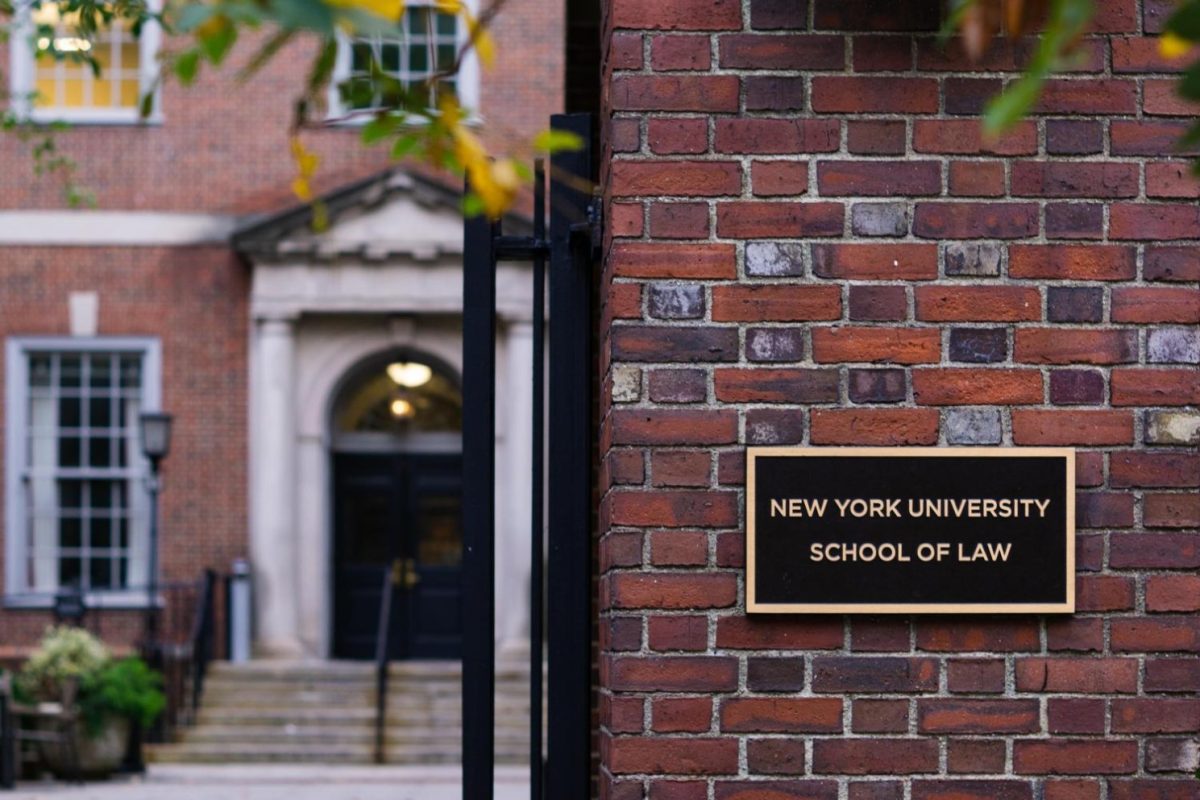




















Back in September, the NYU School of Law announced the Democracy Project, a forum focused on combatting extremist politics, and launched its first initiative: an essay series titled “100 ideas in 100 days,” with works identifying issues in modern democracies. As the 100th day looms at the end of the week, the project’s organizers have introduced a new phase of programming — now aiming to address the challenges covered over the past several months.
In its next stage, the project’s directors — NYU Law professors Bob Bauer, Samuel Issacharoff and Richard Pildes — plan to publish a new series of essays and host public, in-person events focused on constitutional and legal reforms ahead of the 2026 elections. The initiative will tackle new ideas and longstanding debates, from both national and global lenses, as responses to concerns posed in the “100 ideas in 100 days” essays.
“We want to bring together academics, practitioners, election officials — people who work on these issues on the ground — in forums in which they can exchange perspectives and look to find broadly acceptable ways of addressing various challenges to democracy today,” Pildes said in an interview with WSN.
Since the project launched in September, it has spotlighted around 95 essays examining political polarization, extremism and democratic backsliding. Essays are sorted into three categories — “Congress, The President & The Courts,” “Elections & Political Parties” and “Society & Communication” — and delve into the philosophical foundations that built political systems, as well as the new technologies, resources and social networks that are shaping them today.
Pildes said that one memorable work was an essay by conservative legal scholar Caleb Nelson regarding President Donald Trump’s use of executive power to undermine the judicial branch, which has since garnered over 500,000 views and been cited in nearly a dozen Supreme Court briefs. Having reached out to 100 authors across fields and countries — including the United Kingdom, Poland, France, Germany, Hong Kong and Australia — he told WSN that the Democracy Project is “not directive” in writers’ work.
“We simply identify the people that we think have important contributions and ask them to write for us,” Pildes told WSN. “They go in whatever direction they want to pursue.”
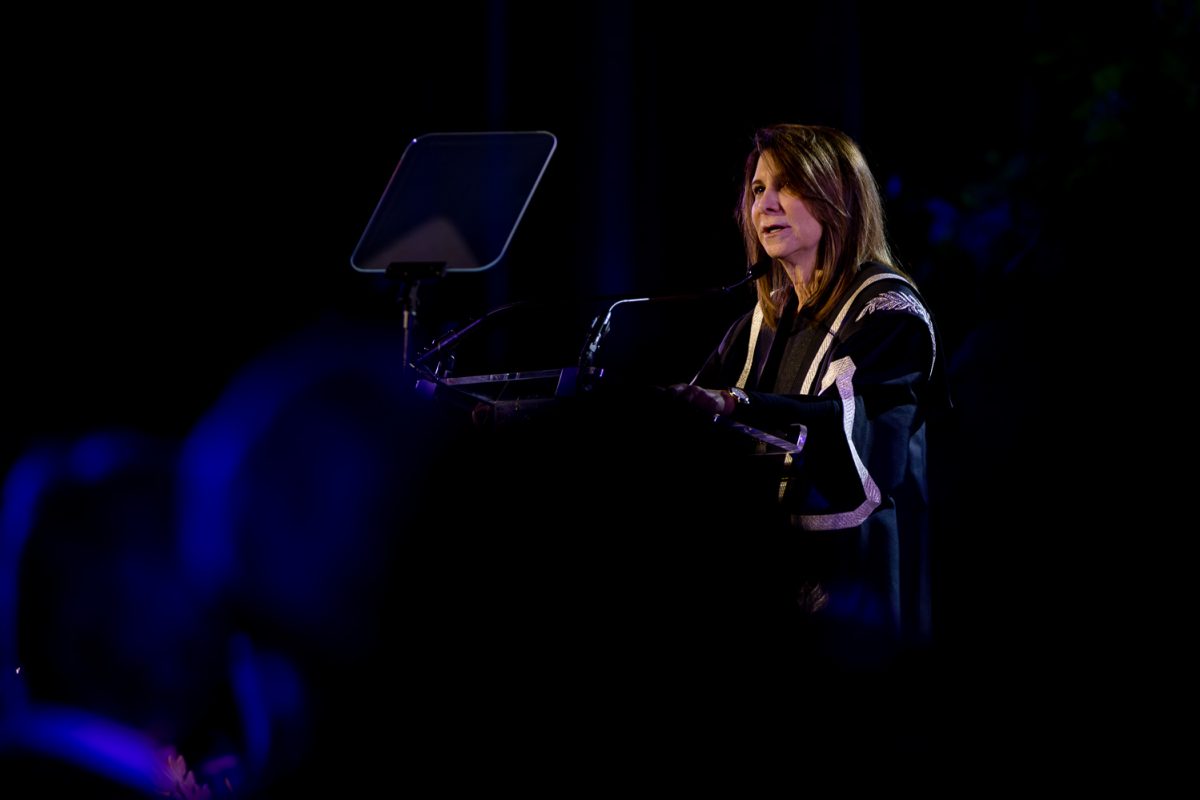
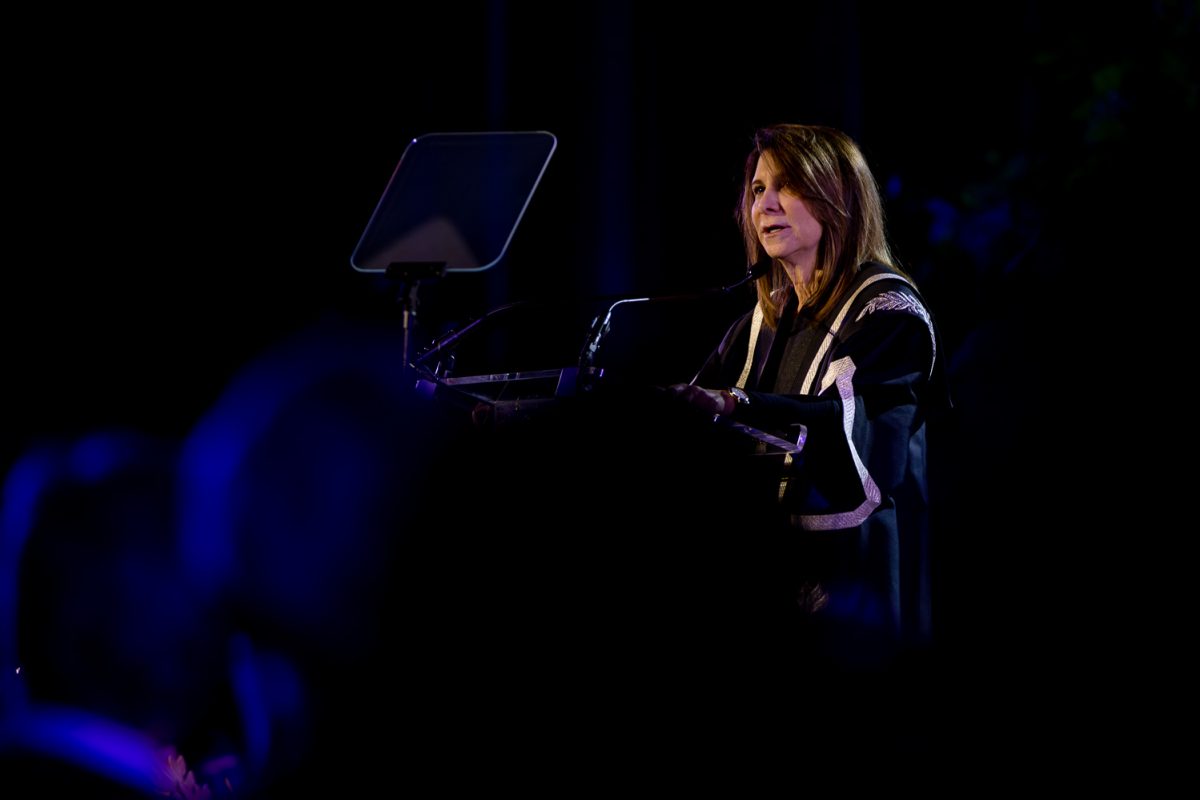
The project’s first live event was held at the New York Historical museum and hosted by the Ford Foundation, a nonprofit dedicated to strengthening democratic values. The event was moderated by the Ford Foundation’s president, as well as the Democracy Project’s co-directors, who covered a financial commitment to supporting the integrity of democratic elections.
“We felt there wasn’t much of a forum for people with really distinct perspectives and beliefs about the threats to democracy today,” Pildes said. “Our audience is anyone who’s concerned about democracy today, and anyone who wants to understand more about democracy today.”
Contact Selin Kemiktarak at [email protected].