





















A federal judge strengthened speech protections for noncitizen members of an NYU faculty group, declaring that the government must present “clear and convincing evidence” to justify any changes to their immigration status made between March and September 2025.
The Jan. 22 ruling responded to a November request from NYU’s chapter of the American Association of University Professors — in conjunction with the national AAUP, its Harvard and Rutgers chapters and the Middle East Studies Association — for noncitizens across the country to be protected from repercussions for pro-Palestinian advocacy. The groups had won a monthslong lawsuit against the Trump administration in September, challenging its policies to deport pro-Palestinian students and faculty as unconstitutional.
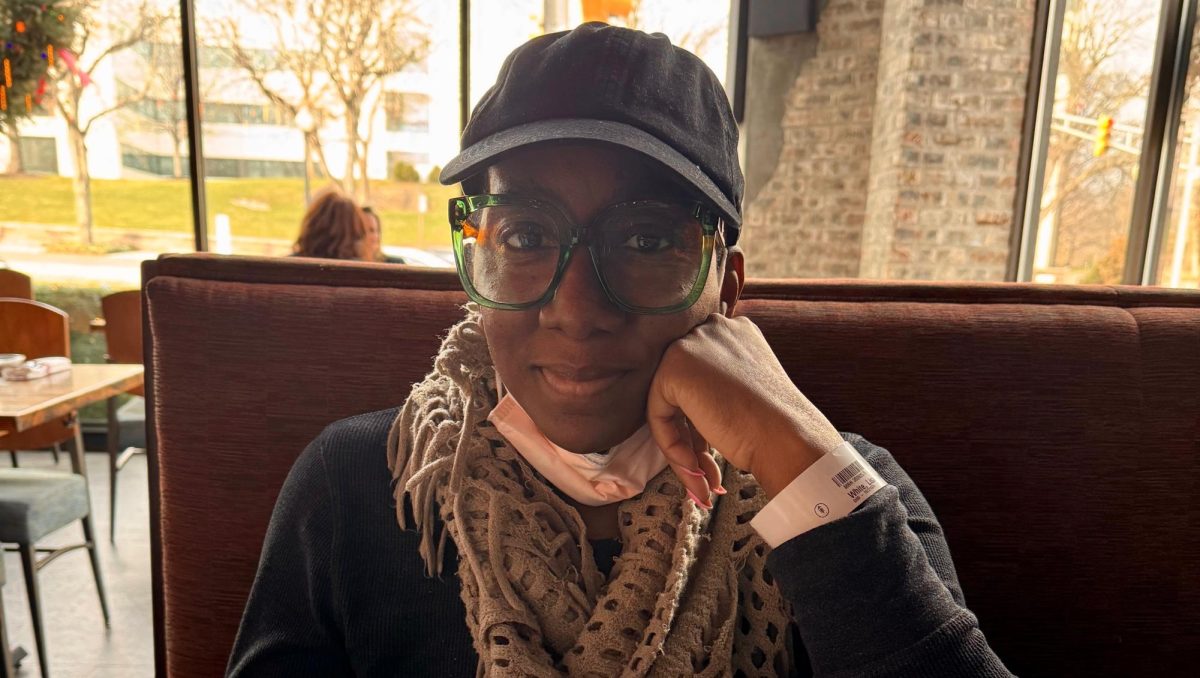
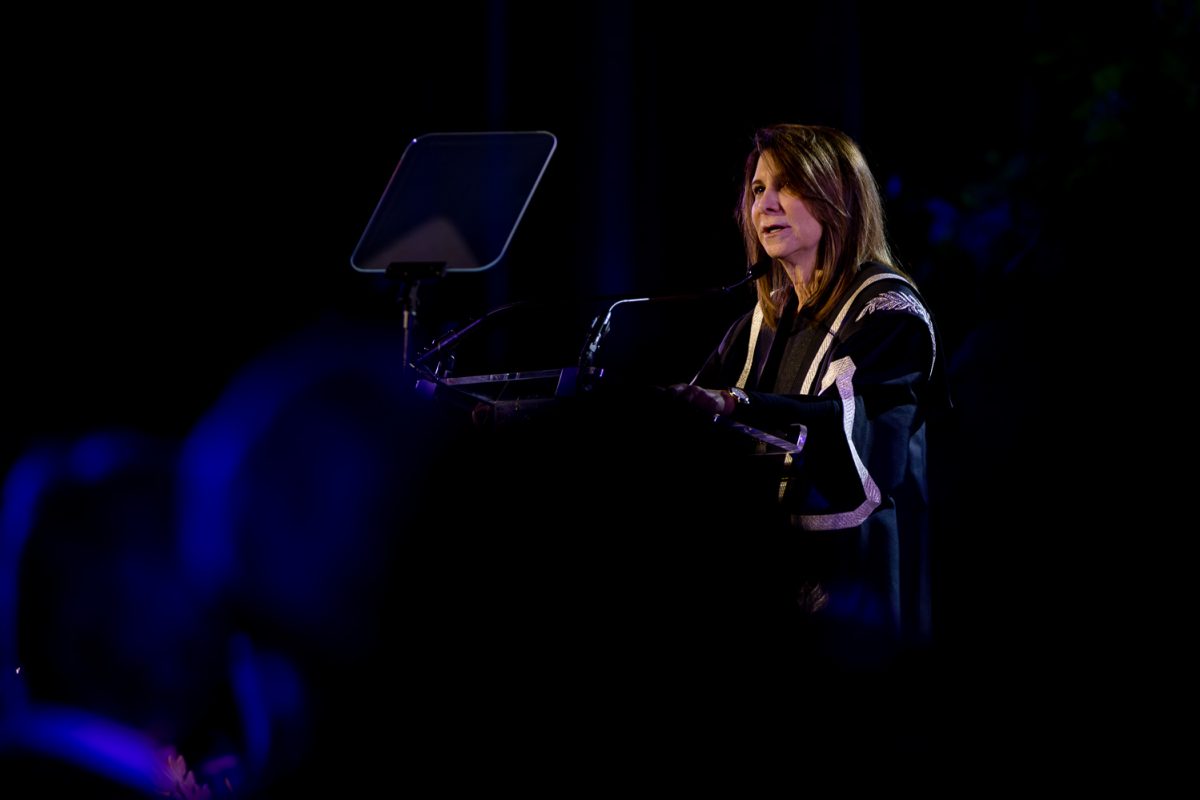
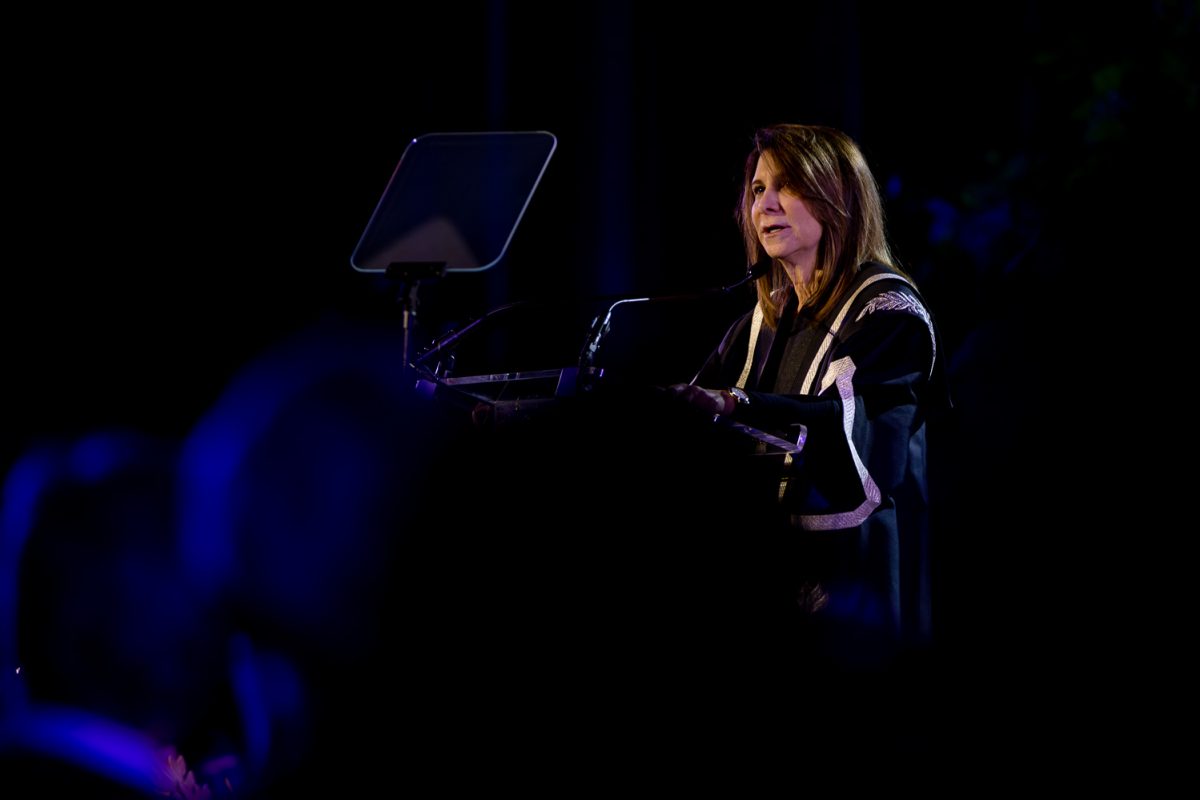
Paula Chakravartty, Steinhardt professor and president of NYU’s AAUP chapter, told WSN that because of the Trump administration’s “lawless” deportations based on “ideological speech” on campus, NYU-AAUP was one of the first chapters to join the case. She added that NYU houses more international students than any other university, with a similarly large proportion for faculty.
“Many international faculty members have expressed their deep concerns to the AAUP about the chilling effect on speech that impacts research, travel and everyday life in the aftermath of the Trump administration’s overtly discriminatory efforts to punish the protected speech of noncitizens,” Chakravartty said. “This is precisely why our membership voted overwhelmingly last year to support participation in this important lawsuit.”
The decision stipulates that any immigration status change between March and September affecting a member of the plaintiff groups will be presumed “retribution” for the individual exercising their free speech rights. To validate a status change, the government must provide evidence justifying it beyond content relating to pro-Palestinian activism.
On Sept. 30, the same judge agreed in a 161-page opinion that executive orders commanded a “discrete practice of targeting pro-Palestine and anti-Israel speech,” against constitutional protections. During the case’s trial, witnesses testified that as news of targeted deportations spread, many professors scaled back their activism for fear of retaliation — or stopped attending council meetings altogether.
Chakravartty said that although the January and September rulings helped to “thaw the significant chill” of academic freedom on campus — which she said has been escalated by the Trump administration and its “draconian policies” — responsibility also lies on the university’s administration.
“We can’t just blame the Trump administration,” Chakravartty said. “The extraordinary punitive actions against speech and protest on campuses like NYU, which was one of the first universities to baselessly and violently arrest its own faculty and students en masse in spring 2024, set the stage for the kinds of authoritarian tactics we see today targeting universities.”
Contact Justin Liu at [email protected].