

































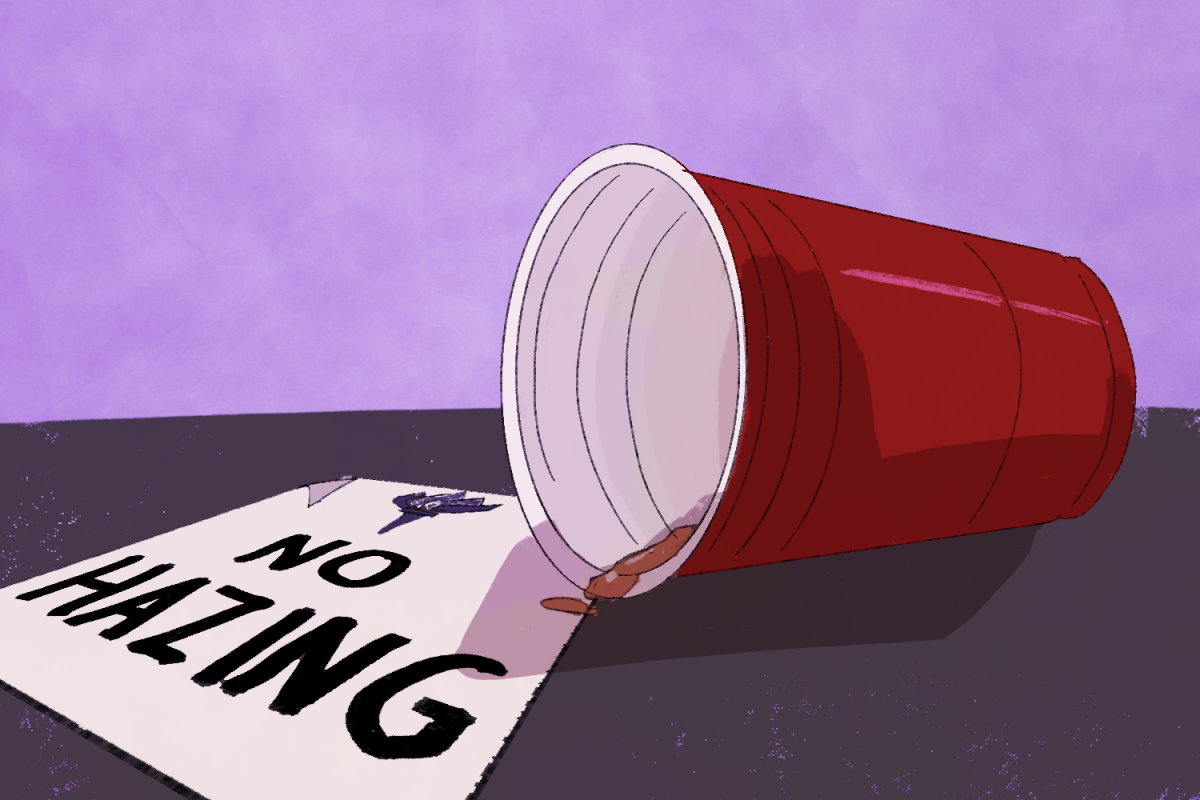
NYU must now publicly document all hazing policy violations in an annual report, following a federal law passed last year that requires transparency from universities about such incidents. The development comes amid speculation that a Stern fraternity was recently banned for aggressive hazing.
Under the Stop Campus Hazing Act of 2024, NYU is required to release hazing violations across all student organizations in the annual Campus Hazing Transparency Report, set to be published this month. The law, which followed a surge in hazing-related deaths nationally, also requires the university to detail its protocol for violations in the Annual Security and Fire Safety Report.
“The majority of this first version of this policy was shaped by the federal requirements,” Associate Dean of Students Craig Jolley told WSN. “Students have the ability to provide feedback and shape policy through a number of avenues, including the Dean’s Student Advisory Group and the University Senate Committee on Community Standards.”
NYU previously only published fraternities and sororities that were permanently or temporarily banned for hazing on its website — but now the report will also include violations that did not result in suspensions. The university defines hazing as any action that “intentionally or unintentionally” inflicts physical or emotional harm, typically in the context of initiation into an organization.
Since 2015, nine social fraternities and sororities and one business fraternity have been suspended for hazing. Most recently, the business fraternity Alpha Kappa Psi was suspended earlier this year after allegedly hospitalizing a first-year student by forcing him to drink despite his existing liver problems.
Jolley said that NYU also introduced a universitywide hazing training video this fall, with plans to develop accompanying modules for student leaders and advisors. Currently, all incoming fraternity and sorority members are required to complete the New Member Education Program with anti-hazing requirements, and chapter presidents are expected to educate members on anti-hazing policies twice a year.
The new policy expands on the Clery Act, which requires universities to release crime data and publicize their prevention measures. Allegations of hazing against student organizations are investigated and adjudicated by the Office of Student Conduct and Community, and accusations against individual students are handled through the Student Conduct Procedures or the procedures of their academic college.
Contact Selin Kemiktarak at [email protected].