


































An NYU Langone study found ways that could help clinicians predict who is at risk of a nerve-killing disease caused by repeated head injuries that can only be diagnosed after death.
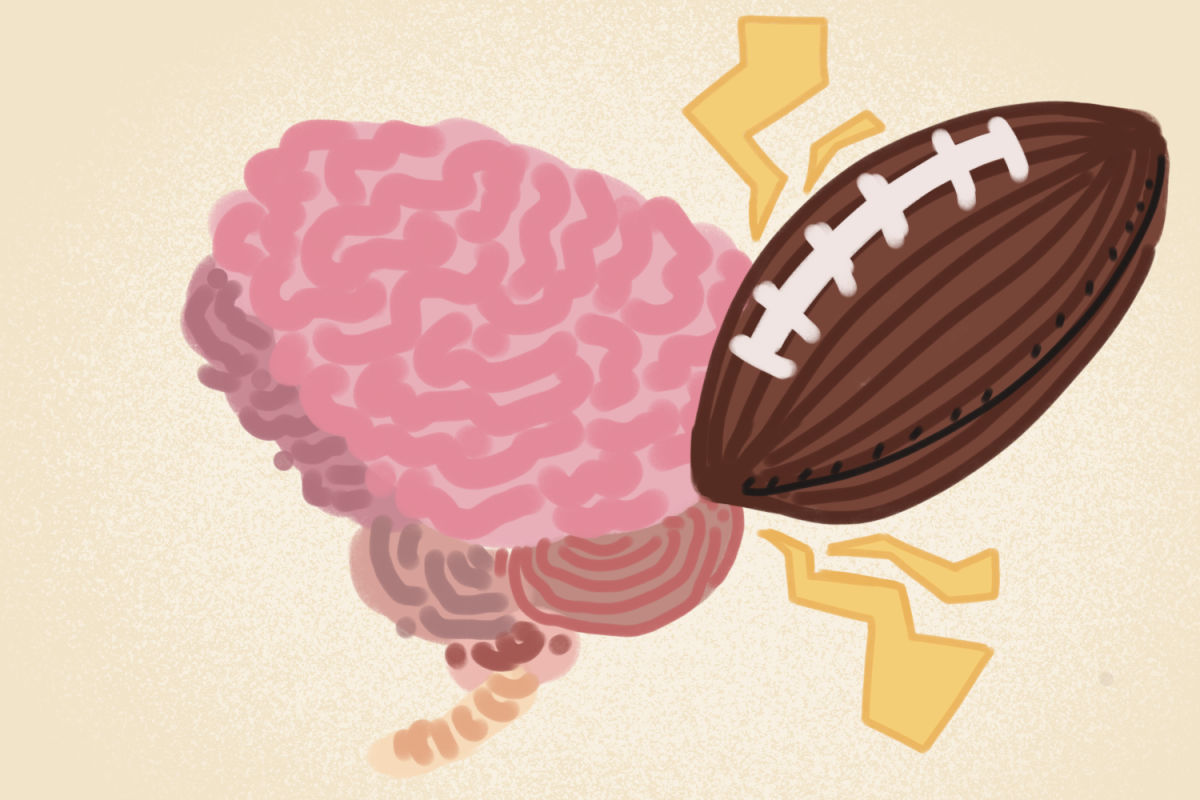
The disease, chronic traumatic encephalopathy, is common among football players whose nerve cells in the brain die over time after experiencing repetitive head trauma. In routine medical practice, the only way to confirm that someone has CTE is through an after-death autopsy, because regular brain scans can not detect the disease. However, the September study’s findings of subtle differences between the brain scans of the average person and those who experience brain trauma provided further insight into the detection of early signs of nerve damage.
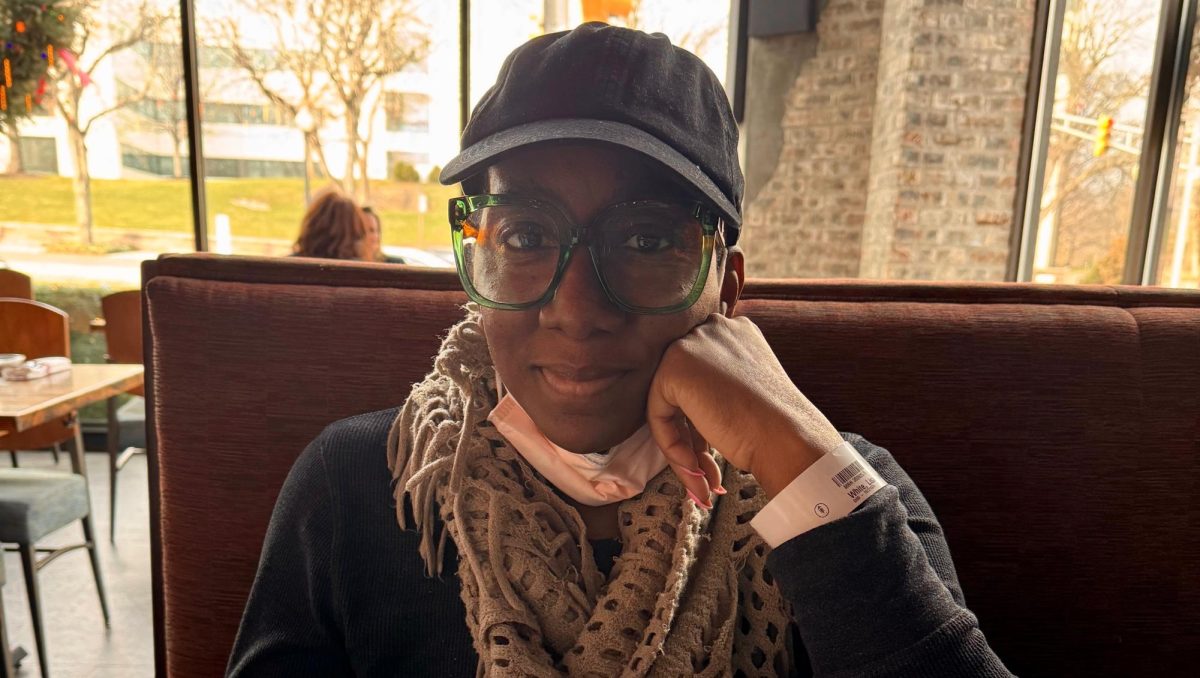
“A comprehensive CTE risk assessment would be a major shift in patient care,” lead author and NYU Grossman professor Hector Arciniega told WSN. “Right now, people with a history of repetitive head impacts often live with uncertainty, as physicians can only treat symptoms, and we can’t tell them whether they truly have CTE until after death.”
Researchers at NYU Grossman, a medical school under NYU Langone, collaborated with the Langone Concussion Center to use advanced computer analysis for the study. They compared the brain scans previously taken from 169 male living former football players ages 45 to 74 years old against 54 similarly aged males without a history of traumatic brain injury. Arciniega said the study aims to identify a reliable biomarker that could inform a comprehensive risk assessment to aid physicians in intervening before the disease worsens.
Brain scans of deceased CTE patients reveal two common areas of the brain where the grooves, called sulci, are deformed. Researchers found that former football players had sulci that were wider and shallower due to head trauma than the healthy non-players did. The differences were more pronounced the longer a player had been in the sport.
Arciniega and his co-author, Brian Im, said future research would focus on tackling social factors that could affect the diagnosis and treatment of CTE, including race, socioeconomic status and access to healthcare. Arciniega said he aims to collect data that could address how these factors could affect an individual’s long-term well-being.
“We’re interested in looking at those disparities and preparing the type of care people get depending on where they are and how that would affect the kind of care they get and the outcomes,” Im said. “Research is hard when you don’t have the clinical and the research perspective. Bringing those two together has made it a fruitful and productive relationship.”
Contact Justin Liu at [email protected].