























As New Yorkers bundle up for winter a couple weeks after a chilly Halloweekend, costume stores around the city die down. But at the Tisch School of the Arts’ Production and Design Studio, a cadre of Drama students continue to shop for unique ensembles year-round, quietly sewing the backbone of entertainment together.
During their sophomore year, Production and Design students choose to concentrate in two of five core disciplines, one of which is costume design. The studio aims to equip students with the stage management skills and experience working on production sets necessary to become costumers in the theater industry.
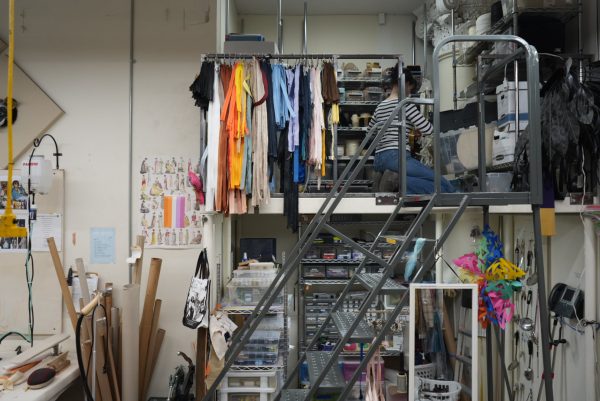
One of only a handful of seniors in the concentration, Tisch student Nina Ganyard initially pursued sound and stage management before a professor guided her toward costuming. According to Ganyard, costume design is key to making a statement with a play, even if implicitly.
“Even if you’re not paying attention to it, it still tells you about that person,” Ganyard said. “In regular life, you can tell if someone has a lot of money because of the type of clothes they wear, even if you don’t realize that that’s what you’re thinking.”
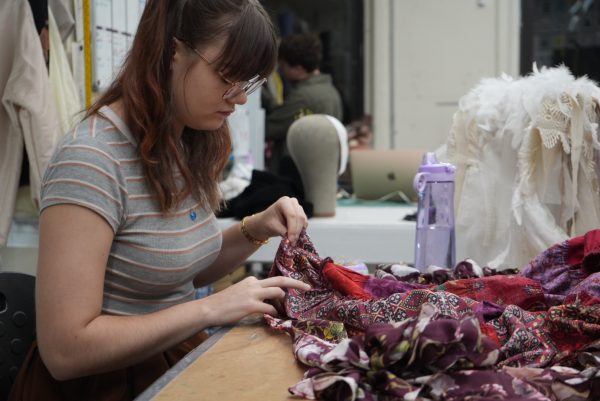
Costume design, like other parts of technical theater, plays a supporting role to actors and playwrights. However, Ganyard sees a common misconception that costume design is simpler or less labor intensive than similar fields.
“When talking to people who aren’t super in the theater world, they see sound design as something really cool,” Ganyard said. “It’s basically engineering. It’s fancy and magical, and then costume design is, ‘Oh, you’re putting clothes on people?’”
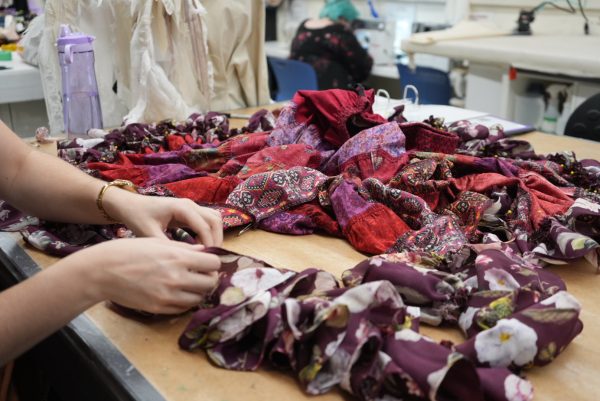
Seo Yun, a senior in the studio with concentrations in costume and scenic design, said that the battle for recognition is coupled with financial struggles. More than 80% of costume designers are female, and typically bring in 30% less pay than other designers in a production.
“Fashion, clothes and sewing are, historically and still even now, a heavily gendered part of the theater world — and therefore considered not as important or materially real as carpentry or sound,” Yun said.
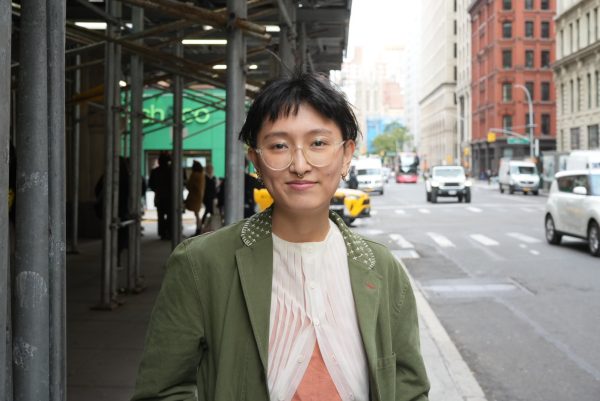
Designers like Yun — who is currently working for an upcoming play at The Tank, a black box theater in Midtown — test out multiple renditions for their costumes, while balancing their designs with the personalities of the performers who wear them. Most of the physical work of a costume designer, however, happens at clothing stores, where they shop for and return pieces.
“You’re most often on your feet doing what I call mule work,” Yun said. “Which is when you bounce back and forth between different places in Midtown, looking for fabric swatches and costume pieces in thrift shops.”
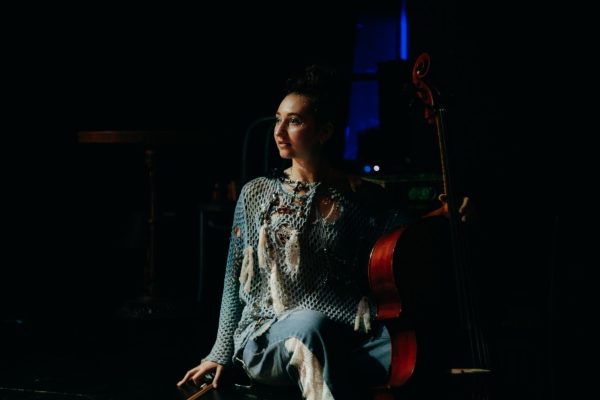
When costume design is done right, Yun said that it permeates viewers’ perception of a play, even if only a niche community of designers and enthusiasts can see it.
“The real beauty of costume design comes from when it’s imperceptible — it informs so much of your experience with the show, even if you can’t really pinpoint it,” Yun said. “It’s a way of building the world. It’s a way of communicating who these characters are in more ineffable ways.”
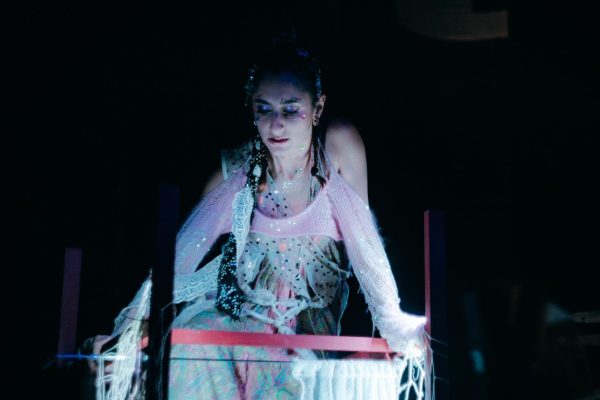
Outside of the dressing room, most of the unglamorous work consists of paperwork and meetings. For Yun, it’s a labor of love — especially because designers are often out of the spotlight, forming bonds with actors through the transformative ability of a costume makes the job worth it.
“As soon as an actor puts a costume piece on, when you can tell that actor feels hot and good in a costume piece, you can really tell through their body language, through how they’re existing in space,” Yun said. “The way they walk, the way they talk, even the way their head and eyes change. It’s really magical to see when something that you designed becomes a person.”
Contact Angela Dong and Noah Kim at [email protected].