

























“Algospeak” by Adam Aleksic
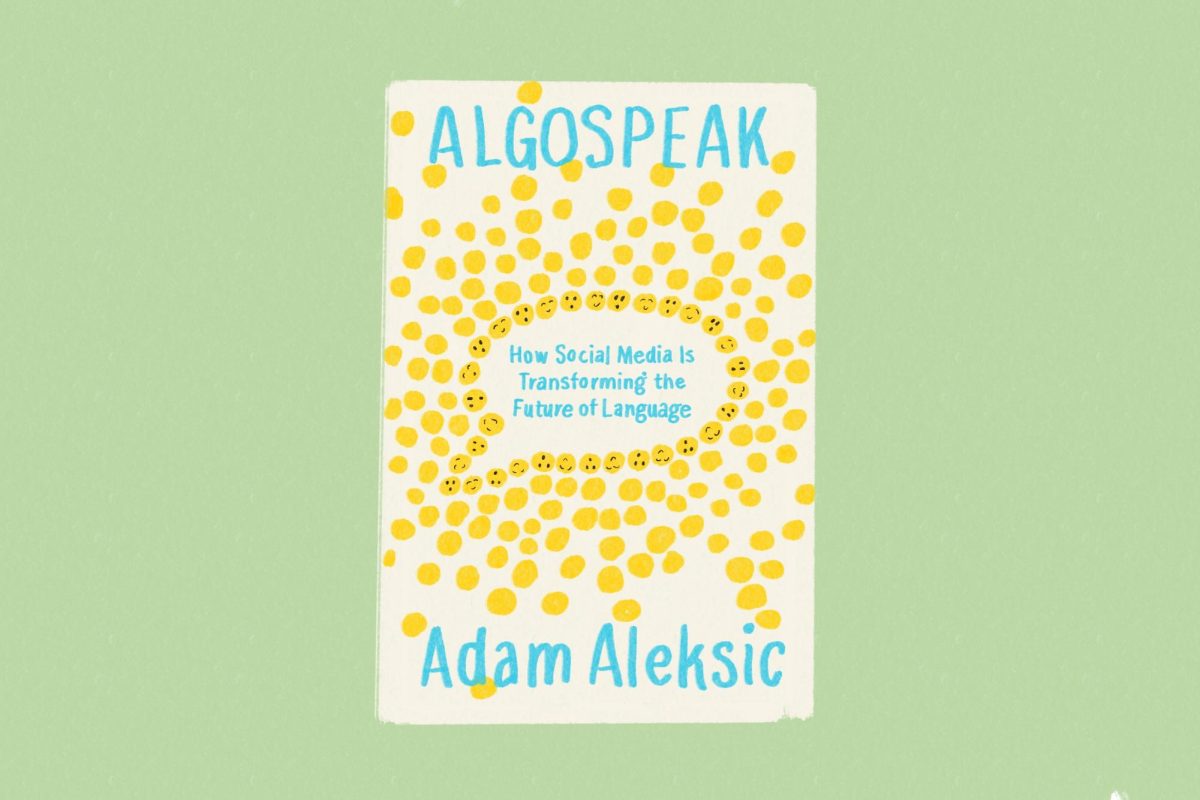
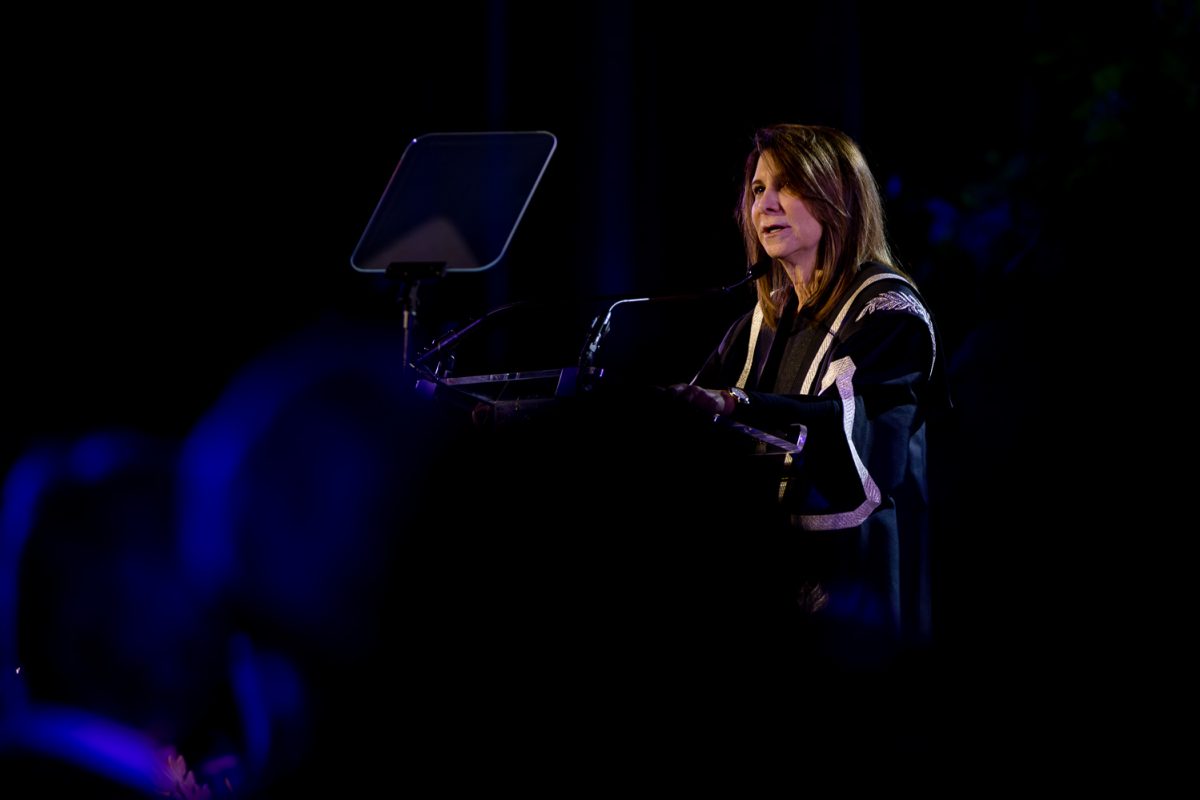
Your TikTok and YouTube algorithms have probably fed you content from Adam Aleksic, better known as Etymology Nerd. In his debut book “Algospeak,” the Harvard-educated linguist trades his typical fact-packed, short-form videos for 256 pages. In it, he breaks down linguistic phenomena on the internet, from the appropriation of ballroom slang to the Americanization of online communication. Aleksic, who hosted an event at NYU last year, expands the titular term beyond its traditional meaning: Algospeak is commonly understood as the euphemisms users coin to dodge content moderation — think “unalive” or “seggs” in place of “suicide” and “sex.” Here, we examine how the very algorithms that gave Aleksic millions of followers also accelerate language change.
— Krish Dev, Digital Director
“All’s Well” by Mona Awad
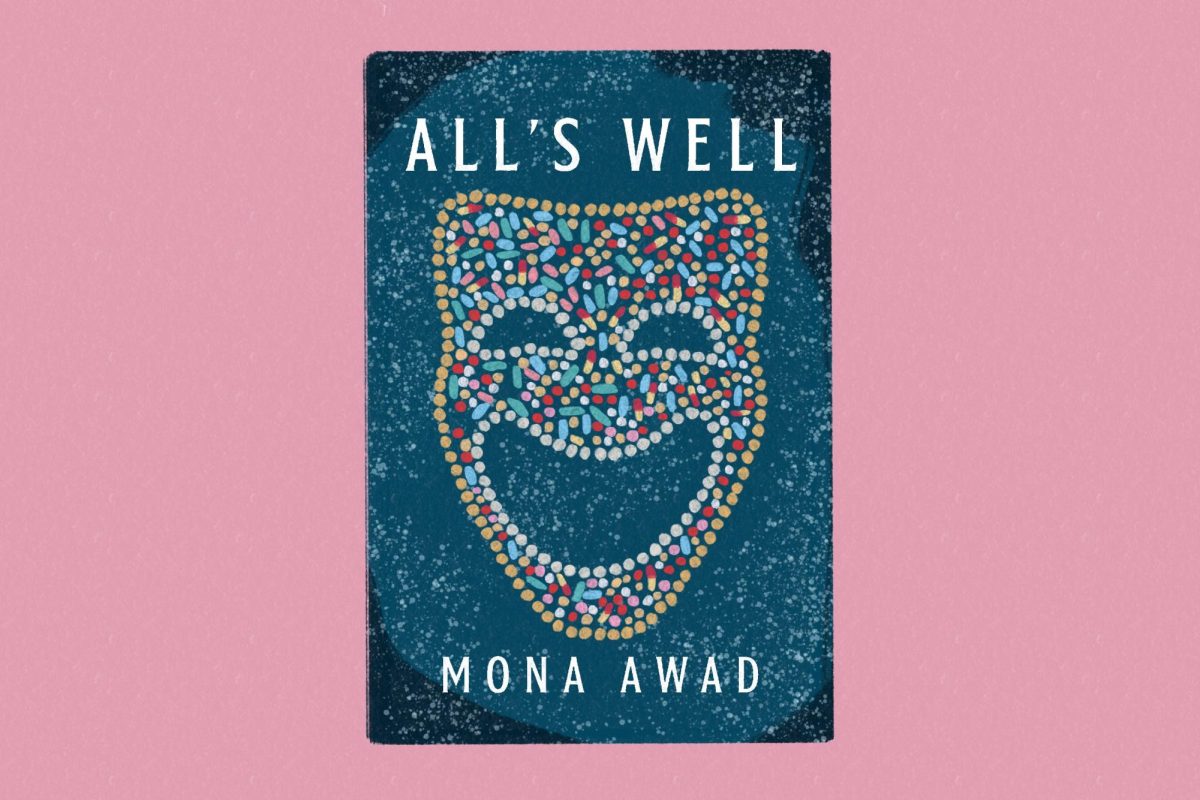
Much like her popular psychological horror, “Bunny,” Mona Awad’s 2021 surrealist novel “All’s Well” leaves readers’ heads spinning. After plummeting off stage, former actress Miranda Fitch faces a life of chronic pain, reluctantly directing an unnamed university’s annual Shakespeare production. Her perspective is clearly unreliable as she villanizes her stage manager, lead actress and physical therapist. After a particularly tough rehearsal, Miranda enters a bar where she meets three mysterious men who offer her a “golden remedy.” The following morning, Miranda feels much better, almost as if her pain has been transferred elsewhere. Readers quickly learn that Miranda’s suffering may be more mental than anything else, bringing into question if any of her narration can be trusted.
— Skylar Boilard, Arts Editor
“Sula” by Toni Morrison
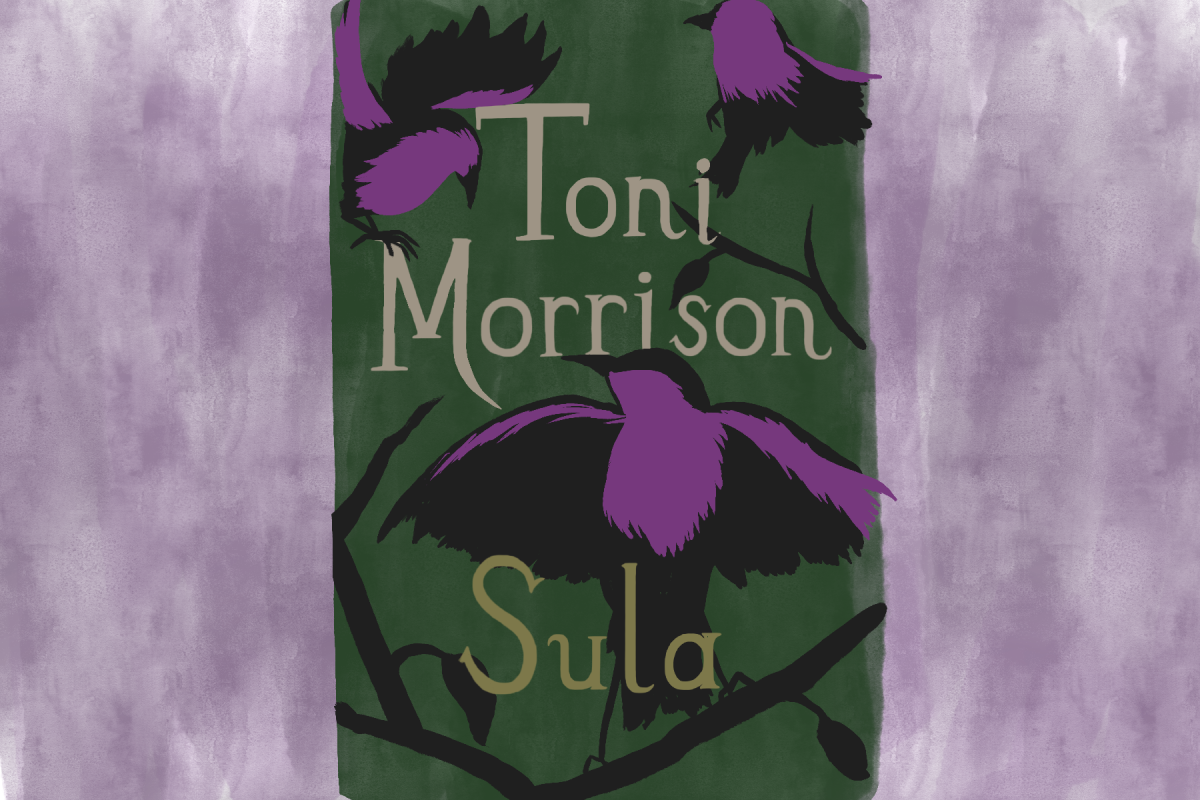
Nel Wright and Sula Peace had been friends for nearly their whole lives despite their opposing personalities. Nel is more reserved, living by traditional ideals where she chooses to give in to the demands of society, while Sula is fiercely independent, wild and refuses to conform. The characters in Toni Morrison’s “Sula” do not fit into neat categories of good and bad. Though there is trauma and betrayal between the two friends, that does not make any one character bad; they are simply complex. In early 20th-century Ohio, Nel and Sula are just two Black women trying to do their best to stay friends, no matter what trivial tensions mount with age.
— Alessa Alluin, Copy Editor
“A Tree Grows in Brooklyn” by Betty Smith
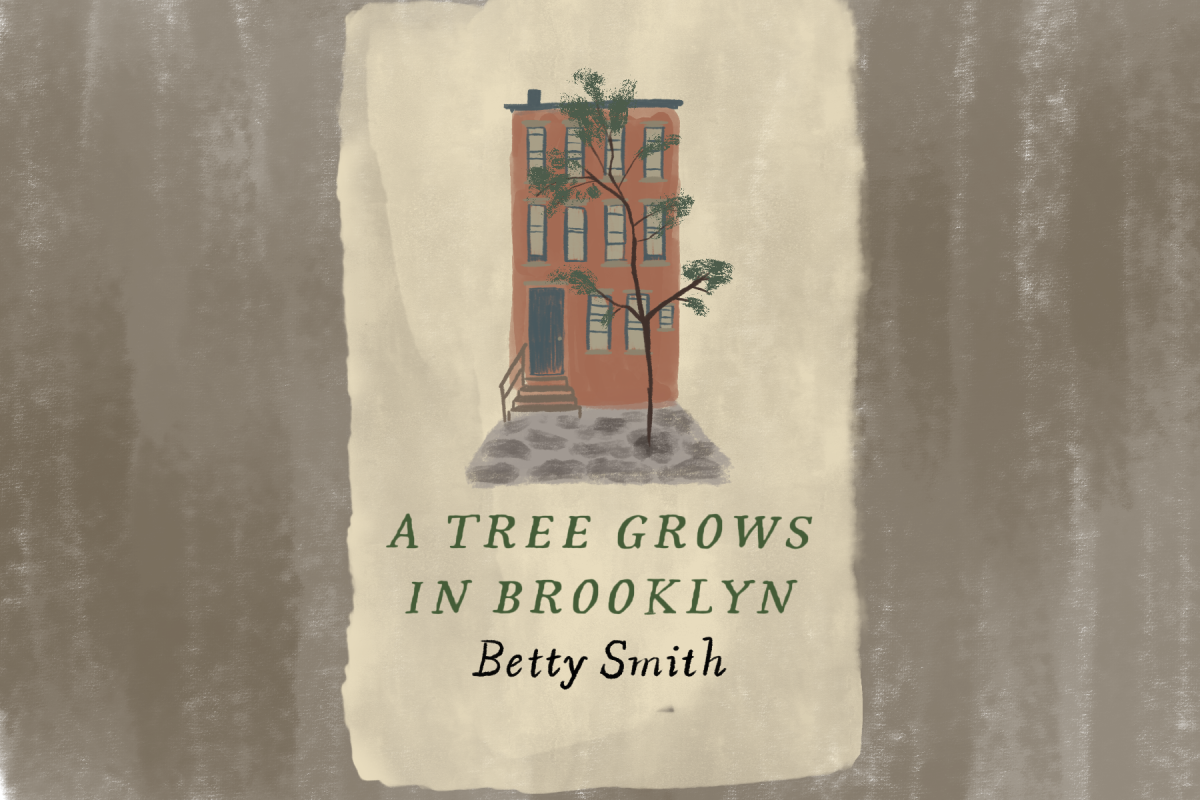
The Tree of Heaven grows in the concrete of a Brooklyn yard where it shouldn’t be able to. Like the immigrants living in the surrounding tenements, it survives on very little, asking for nothing except the chance to keep growing. Set in the early 1900s, “A Tree Grows in Brooklyn” follows Francie’s coming of age story as she navigates the hardships of poverty and immigrant life in Williamsburg, Brooklyn. Francie’s love for reading and writing is her refuge, it keeps her wonder for the world alive as her family survives off scraps and pennies saved in a tin can nailed to the floor. As someone who grew up in the exact same neighborhood a century later to immigrant parents just like Francie’s, I found myself reliving my own childhood through her story.
— Nancy Lama, Contributing Writer
Contact the Arts Desk at [email protected].