


























“My Friends” by Fredrik Backman
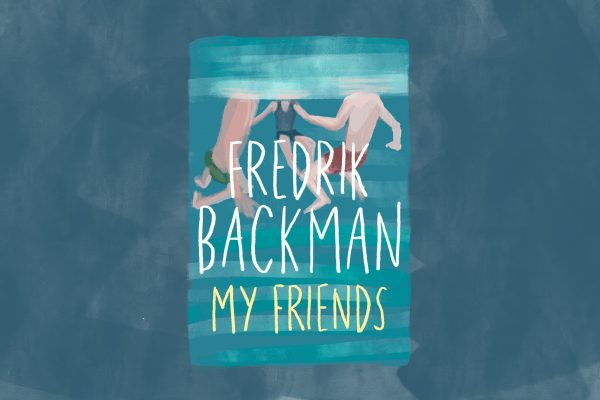
In his latest novel, Swedish author Fredrik Backman proves once again that he knows how to make readers cry. “My Friends” follows an orphan teenage artist, Louisa, who loves one specific painting of three friends on a pier. In an unlikely turn of events, she meets Ted, a middle-aged history teacher, outside of a museum that is auctioning off the artwork. Ted just so happens to be one of the friends featured in the painting. The pair embark on a long and eventful journey to the sea together, where Ted recalls the summer when he and his three friends were all 14: the year Louisa’s favorite painting was completed. Despite their different personalities — Louisa being blunt and talkative and Ted being shy and bland — the two forge a friendship and can lean on each other to cope with the grief of their recently deceased loved ones. Backman weaves together stunning prose that simultaneously affirms the gift of adolescence and leaves readers feeling hopeful for the future.
— Skylar Boilard, Arts Editor
“The Trees” by Percival Everett
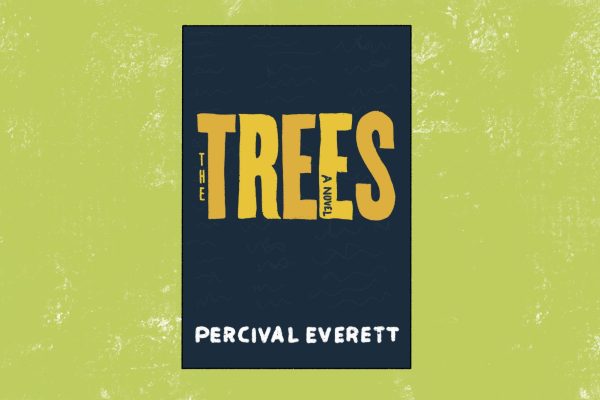
Pulling inspiration from Billie Holiday’s rendition of “Strange Fruit” and the 1955 lynching of Emmett Till, “The Trees” explores generational racial violence through a series of mysteriously gruesome murders starting in Mississippi. After a white man named Junior Junior is found dead in his home next to an unidentifiable Black man, the story quickly escalates once the Black man’s body goes missing at the morgue — only to reappear at a similar crime scene soon after. Rapidly switching between dry satirical humor and profound historical storytelling, the novel is nearly impossible to put down, especially with its fast-paced chapters and captivating prose. Though its heavy topics don’t exactly make it an easy read, Everett’s piercing critique of the continuing effects of white supremacy is sure to leave a lasting impact on any reader.
— Amelia Knust, Music Editor
“Hungerstone” by Kat Dunn
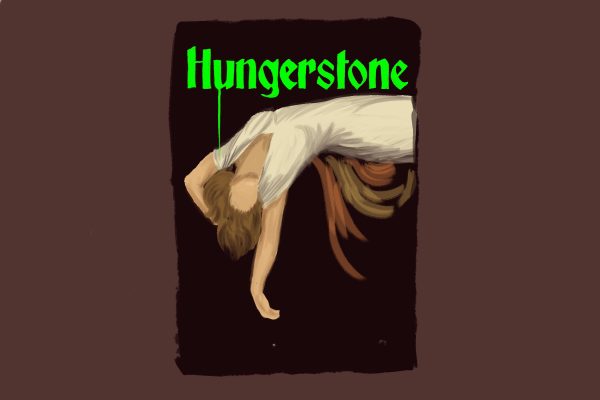
Kat Dunn’s “Hungerstone” resurrects the classic gothic vampire novel “Carmilla” by Joseph Sheridan Le Fanu, but this time, from an oppressed Victorian housewife’s perspective. Set during the Industrial Revolution, the story follows Lenore and her husband, a steel magnate, as they depart from London to their new countryside manor. Along their journey, they encounter a carriage wreckage and bring the lucky survivor, Carmilla, to stay with them. Carmilla’s presence makes Lenore aware of her repressed hunger and desires, and she begins to realize the patriarchal societal expectations plaguing her. In this dark novel, Dunn subverts the theme of female hysteria to tell a tale of feminist empowerment.
— Siobhán Minerva, Editor-at-Large
“The Darkness That Comes Before” by R. Scott Bakker
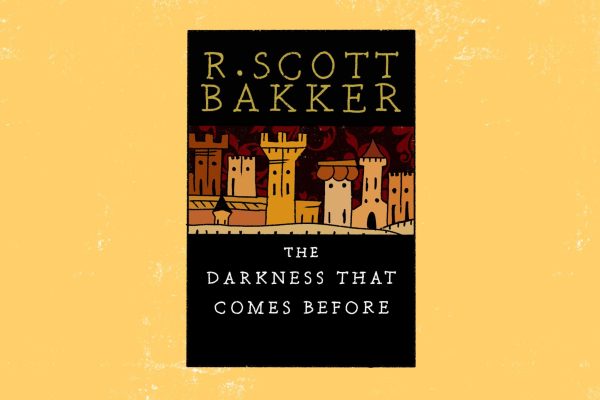
“The Darkness That Comes Before,” the first novel in the “Price of Nothing” trilogy, is a seminal work of grimdark fantasy. Set in the fictional realm Eärwa, two thousand years after a great cataclysm, the story follows the journeys of monk Kellhus, the warrior of the north Cnaiür, sorcerer Drusus Achamian, his lover Esmenet and a whole host of other characters as a Holy War rages on. The worldbuilding is immaculately detailed — Bakker is a master of telling stories of a thousand years in a single sentence. As religious orders, empires and schools of sorcerers all vie for power, Bakker’s ability to craft complex internal struggles in this dark, hopeless world carries the series.
— Joe Paladino, Staff Writer
Contact the Arts desk at [email protected].