
























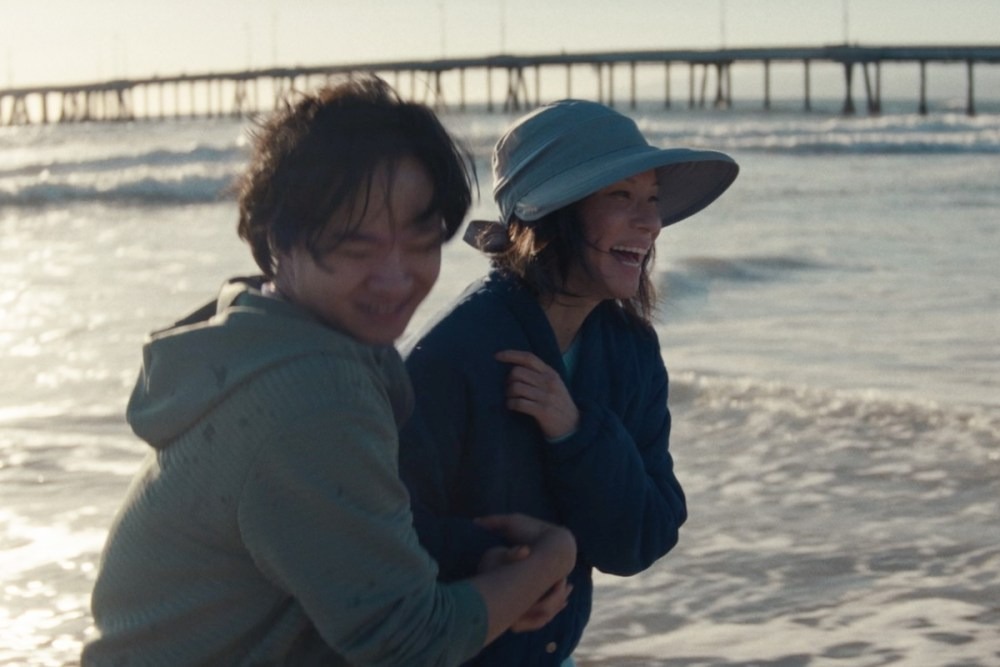
In 2015, a widowed mother with terminal cancer fatally shot her 17-year-old son, who was struggling with schizophrenia. Initial articles about the incident in Rosemead, California provided little motivation for the shooting, but Los Angeles Times reporter Frank Shyong published a story two years later chronicling the complex lead-up to the incident. Inspired by Shyong’s article, Tisch alum Eric Lin directed “Rosemead,” and co-wrote the screenplay with Marilyn Fu. The film stars Lucy Liu as Irene, who struggles to care for her son Joe (Lawrence Shou).
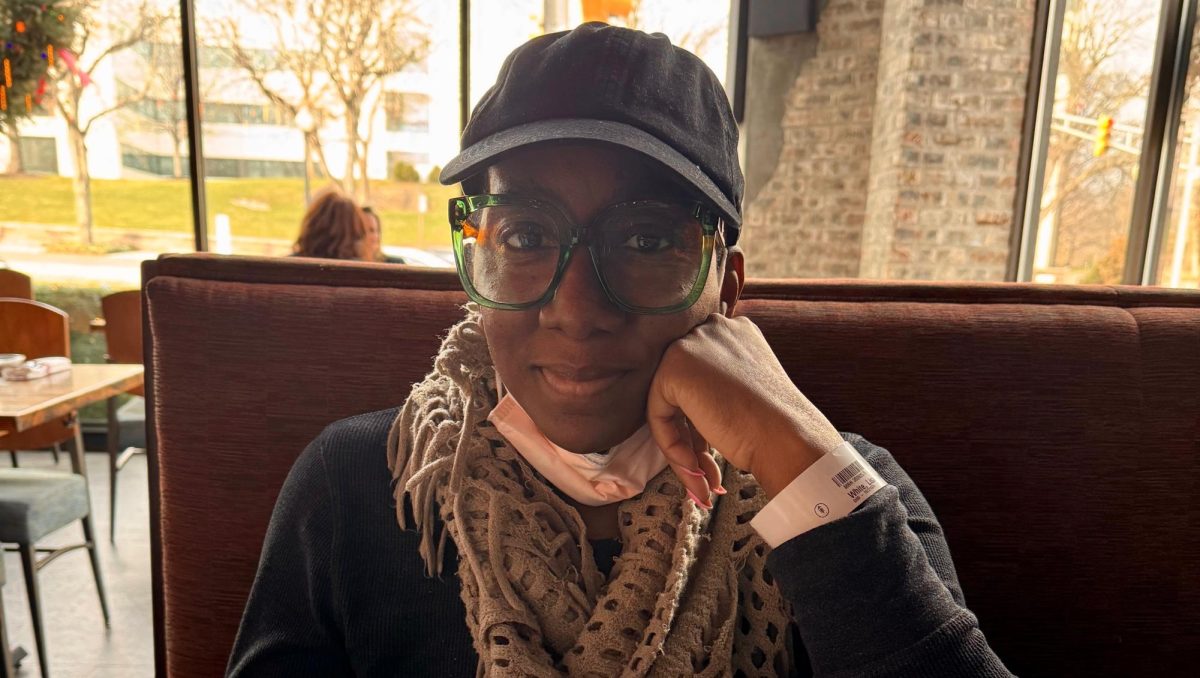
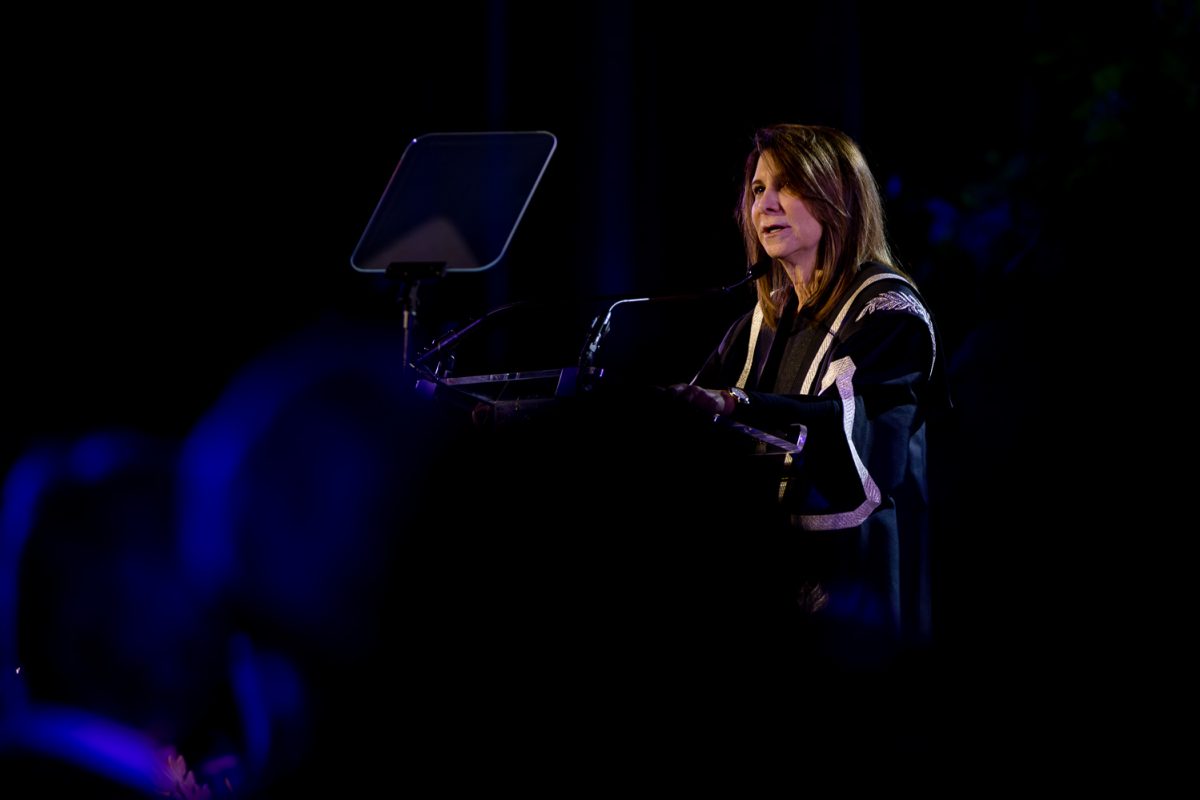
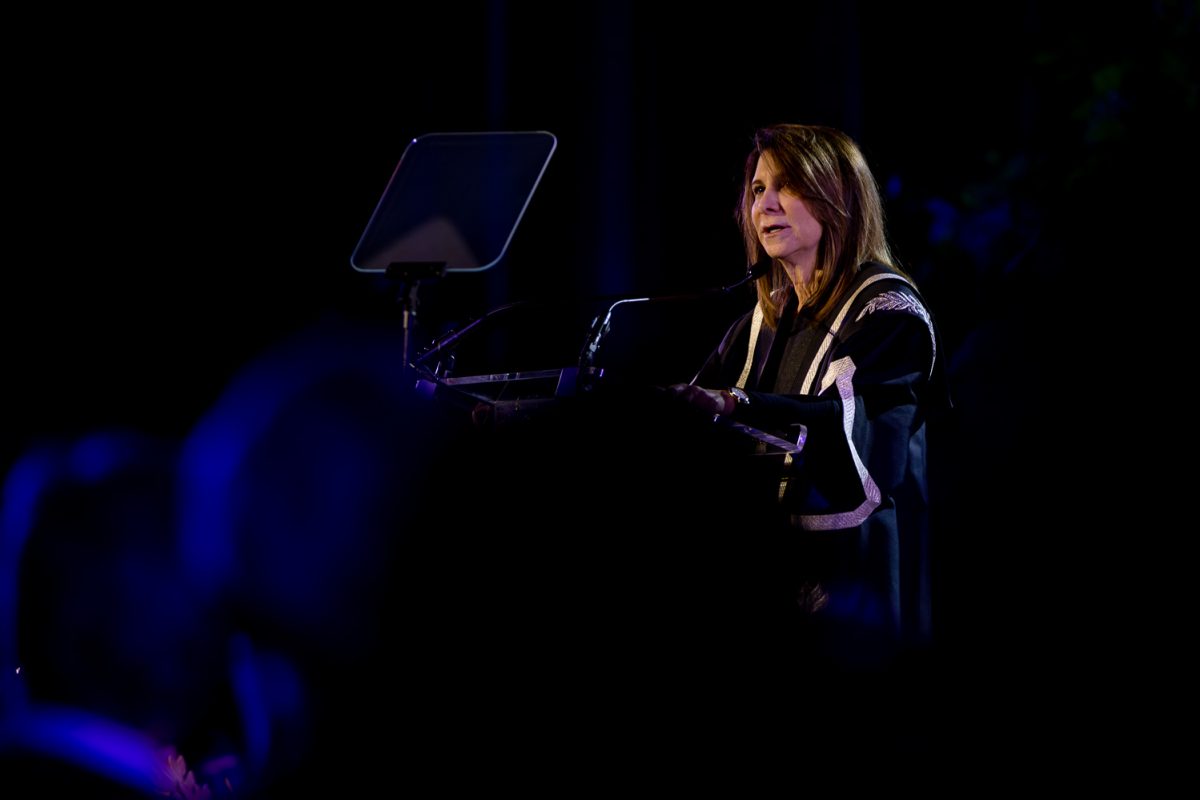
In an interview with WSN, said that she felt it was important to avoid sensationalism in order to bring nuance to the sensitive subject of filicide.
“From the article itself, even the tone of it, [Shyong’s] already established this completely nonjudgmental point of view on the events,” Fu said.
While working on the script, Fu consulted Shyong’s notes from his story to help fully develop the picture of Joe and Irene’s ever-shrinking worlds. She even spoke with former classmates of the boy who inspired Joe’s character.
“They were eager to make sure that Joe’s story would be represented in an authentic way and not turned into a Hollywood spectacle,” Fu said. “There were anecdotes from those students that helped me see who Joe was. At the same time, they were speaking about him and Irene from afar, so you could tell that the two of them were very isolated.”
“Rosemead” sheds light on the original story while countering the way that news cycles turn complicated acts of violence into soon-forgotten headlines. As Fu puts it, the core of the film is a mother and son’s tightly-wound relationship, depicting Irene as a complicated person thrust into an impossible situation rather than a villain. She’s never malicious, checking in with Joe often and encouraging him to get professional help.
“I think that’s very important,” Fu said. “Scene by scene, never casting judgment. So we’re not leading up to a point where you’re going to get to the end and then say, ‘Oh, I knew that there was a villain.”
The film is unique in the intimate relationship embodied by Liu and Shou. Both of them are hiding their true pain from each other, Irene her worsening cancer and Joe his intensifying schizophrenia. Their misguided ways of caring for one another underpin the film’s heart as more than just an act of tragic violence.
A central part of Irene and Joe’s dynamic is their Asian American identities. To write the script, Fu drew from her role as a soon-to-be mother as well as her experiences growing up in a Taiwanese American household. She foregrounds the stigma around mental health that forced Irene and Joe to remain silent in their Asian American community, as seen in one scene where Irene overhears guests gossiping about her and Joe. The film is as much about their difficulties opening up to those around them due to cultural stigma as it is about their personal challenges.
Even as efforts to destigmatize mental health gain traction at large, “Rosemead” affirms the role of film in shifting public perception. Fu proudly recounted stories of viewers who said they left the film feeling more comfortable discussing their own mental health struggles, or helping someone else with theirs.
“That is exactly why we made the film — and the struggle of those eight years of getting this to the screen,” Fu said. “The only reason why we would struggle that much is to have these moments, this kind of impact.”
“Rosemead” is now available to rent on VOD.
Contact Jason Alpert-Wisnia at [email protected].