
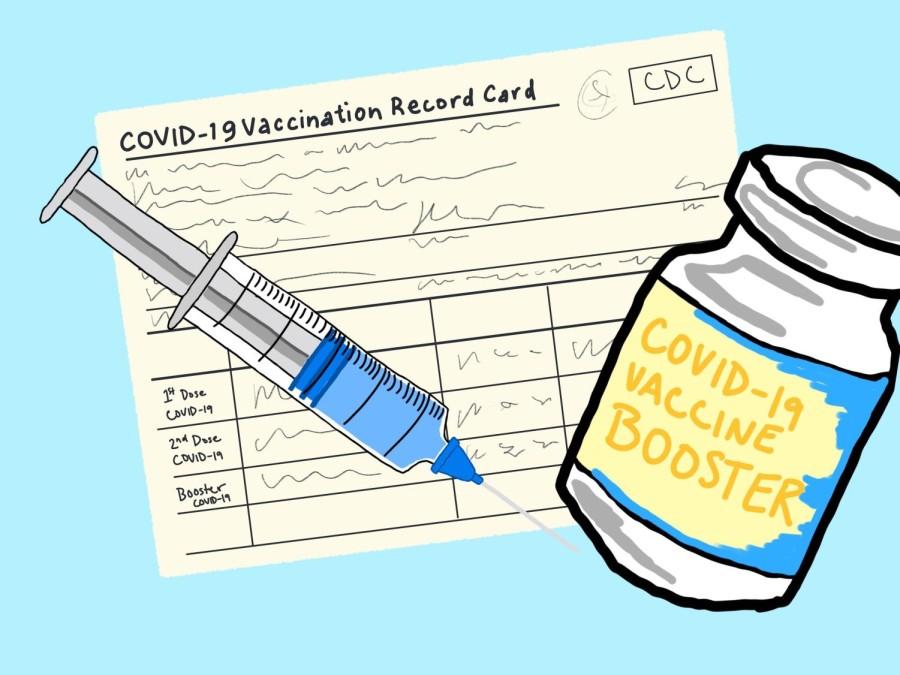














































As New York City accelerates COVID-19 vaccine distribution, the threat of vaccine entitlement jeopardizes the lives of the city’s most vulnerable populations. Vaccine entitlement refers to the idea that people believe they are more deserving of a vaccine than someone else, despite being ineligible or lower-risk.
In the last few months, food and hotel industry workers have become eligible for vaccination, and the state announced the creation of several new distribution sites in New York City. This progress brings hope and optimism for many, but we should ensure that individuals with the most need receive the vaccine first. By failing to prioritize low-income and high-risk communities, we are condoning and exacerbating the healthcare inequalities that marginalized groups already face.
Those gaming the system for the vaccine have been overwhelmingly white, wealthy Americans, who have greater access than underserved populations. As of February, Black and Latino New Yorkers have been vaccinated at disproportionately low rates compared to their representation in the city’s population. White residents, on the other hand, received nearly half of the city’s vaccines, despite comprising only one-third of the population.
Black and Latino Americans have endured the brunt of the pandemic, yet efforts to vaccinate low-income areas and communities of color have been thwarted by greed. A vaccine distribution center in Washington Heights was created to aid low-income and Latino residents that suffered through Manhattan’s highest positivity and death rates. Even though the center was created to vaccinate members of the community, waves of white upper-class outsiders traveled to the neighborhood to receive a vaccine.
This is not an isolated incident. It reveals a dangerous precedent being set across the country that is costing people their lives. In New York City alone, over 94,000 non-residents have been vaccinated, despite the city having a shortage of vaccines.
The majority of those vaccinated at Washington Heights were elderly white residents from other parts of the city or the larger tri-state area. While many of them were eligible for vaccination, there is an urgent need to focus on communities that are at risk of being left behind. Roughly 37% of the neighborhood’s residents have limited English proficiency, which has been an obstacle for many trying to navigate online registration platforms that are not offered in other languages. Due to factors such as socio-economic standing and inherent biases, Black and Latino Americans already face higher health risks and a lower standard of care than their white counterparts. It is disgraceful that those who benefit most from a system designed for their native language continue to intensify the racial disparities in public health.
Some vaccine searchers have also found loopholes in eligibility categories for those with underlying health conditions. Even as the city received its first doses, cheating scandals arose in which younger, less at-risk people were refusing to wait their turn. At New York Presbyterian Morgan Stanley Children’s Hospital, low-risk hospital workers began maneuvering to get shots before their high-risk coworkers. Bioethicists argue that this behavior — taking a vaccine from a high-risk individual who is eligible — is almost always unethical. The sole exception is if you are ineligible and offered a vaccine that may otherwise soon go to waste.
Taking vaccines from vulnerable groups is unacceptable. Some have justified these unethical actions by pointing to the lack of willingness among certain groups to receive the shot. These proponents fail to acknowledge the history of racism within the healthcare system, which has resulted in skepticism and a general lack of knowledge about the vaccine. These issues must be remedied by increasing outreach programs to provide vaccine information and working with local community leaders to build trust.
We have a responsibility to reduce and prevent the consequences of COVID-19, beginning with our city’s most susceptible communities. To do so, we must hold accountable those who exploit connections, resources or the faults in the system for their personal benefit. Ultimately, efficiently distributing vaccines will not be possible through monitoring, but instead relies upon each individual’s obligation to do what is just.
Opinions expressed on the editorial pages are not necessarily those of WSN, and our publication of opinions is not an endorsement of them.
Email Lucy Yama at [email protected].